What makes a good sight words worksheet?
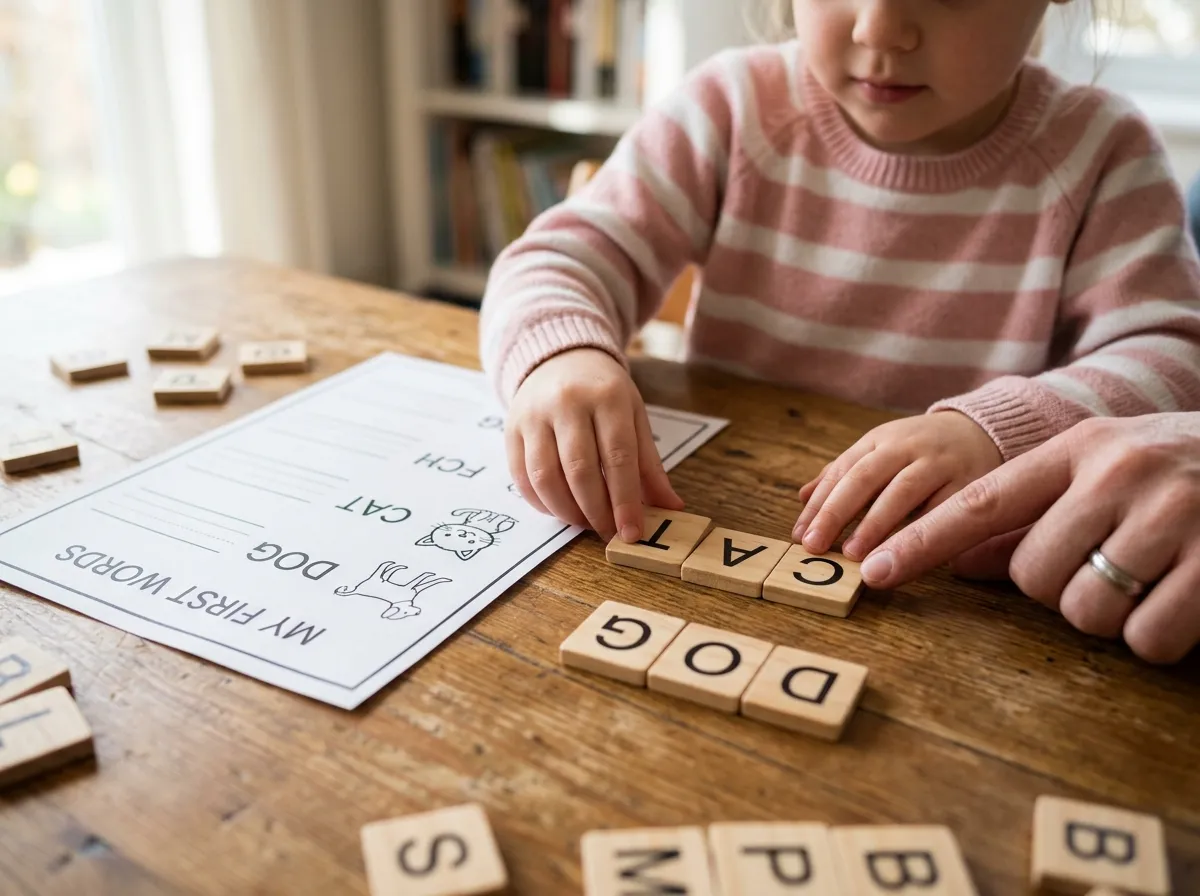
A good sight words worksheet does four jobs on one page: your child reads the word, builds it letter by letter (tracing or with letter tiles), writes it from memory and finds it among other words or inside a sentence. That sequence moves the word from "I can copy it" to "I can read it anywhere."
Most free sheets online only do one of those jobs, usually tracing or coloring. That is fine for an extra, but tracing alone mostly practices handwriting. Your child can trace "said" ten times and still freeze when it shows up in a book.
What to look for when you print:
- One or two words per page, never a whole list
- Large, clear print in the same lowercase font your child sees in books
- A sentence to read, so the word appears in context
- A short find task with look-alike words (was, saw, has) to force real reading
- Space to write without a model at least once
- About five minutes of work, not twenty
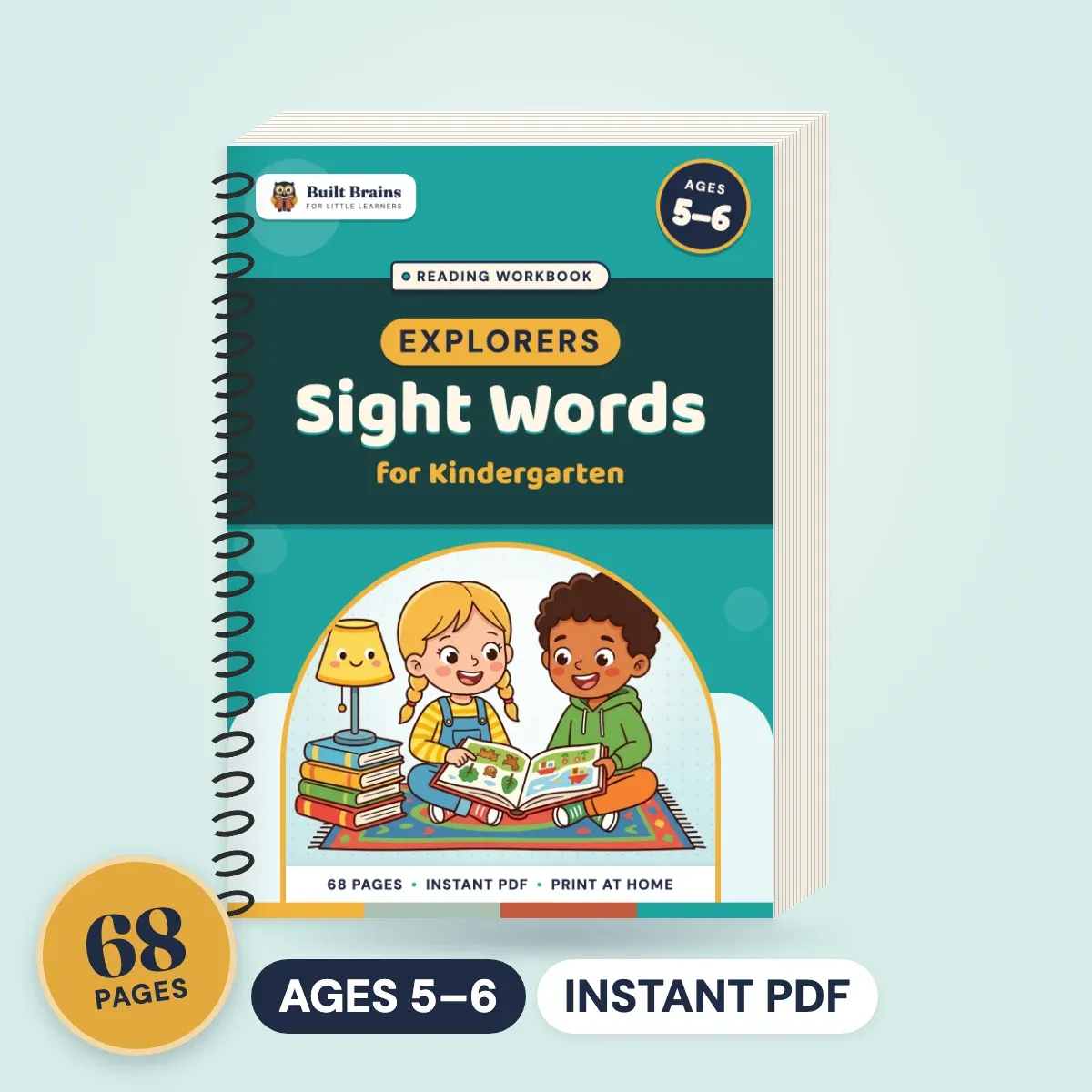
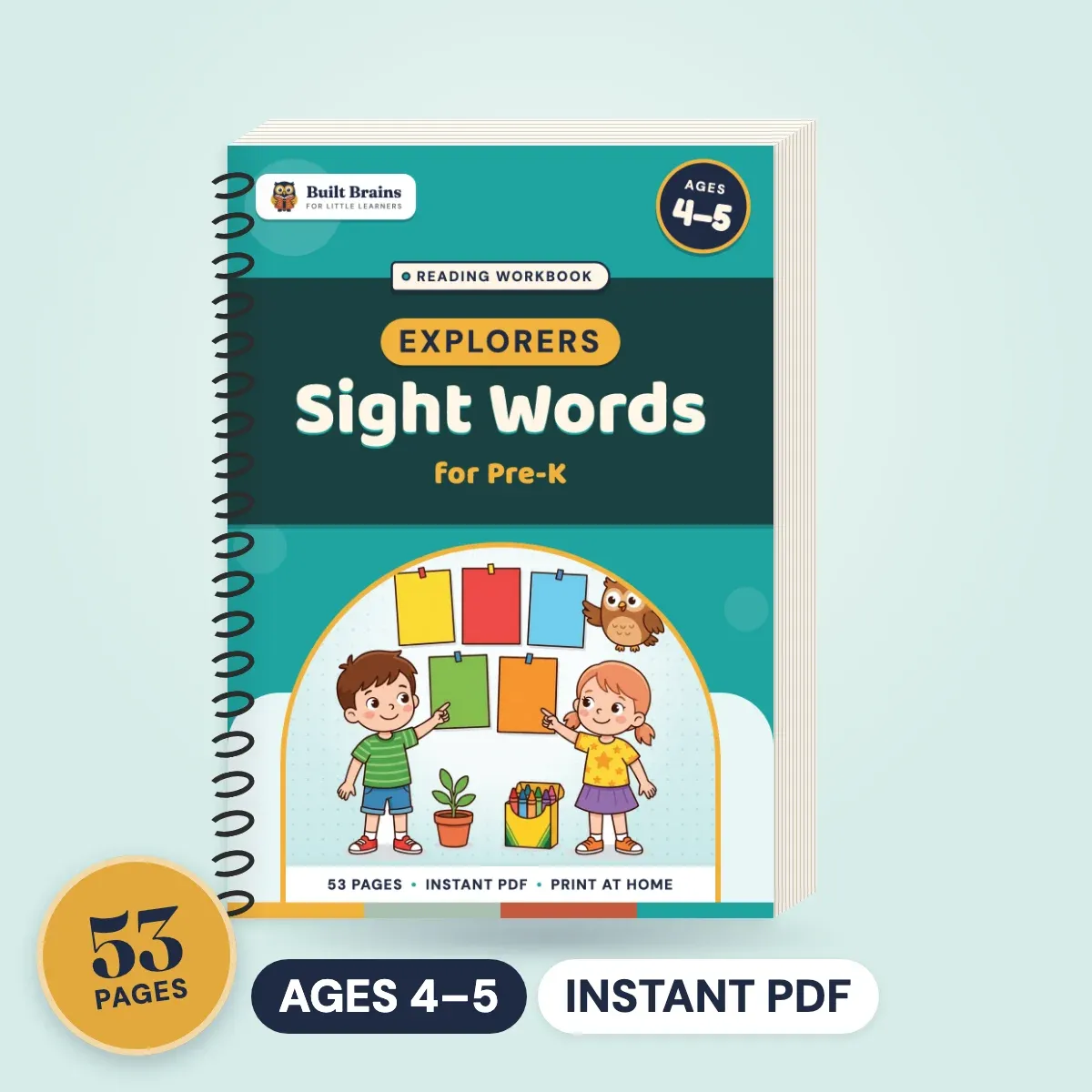
If you want those pages done for you, Sight Word Explorers: Kindergarten gives each of the 52 primer sight words (all, are, have, like, want and more) its own page where your child reads, colors, traces, writes and finds the word. After every four words there is a read-and-color review page, 13 in all, and a certificate of completion at the end. It is 68 pages for ages 5 to 6, an instant PDF in black and white that prints on US Letter or A4, and like every Built Brains book it has a 14-day money-back guarantee. For younger children, Sight Word Explorers: Pre-K does the same with the 40 pre-primer words (a, and, see, the, you).
8 types of sight words worksheets (and what each one teaches)
Rotate these through the week. Each one exercises the word in a different way, which keeps it fresh and catches gaps.
1. Read, trace, write
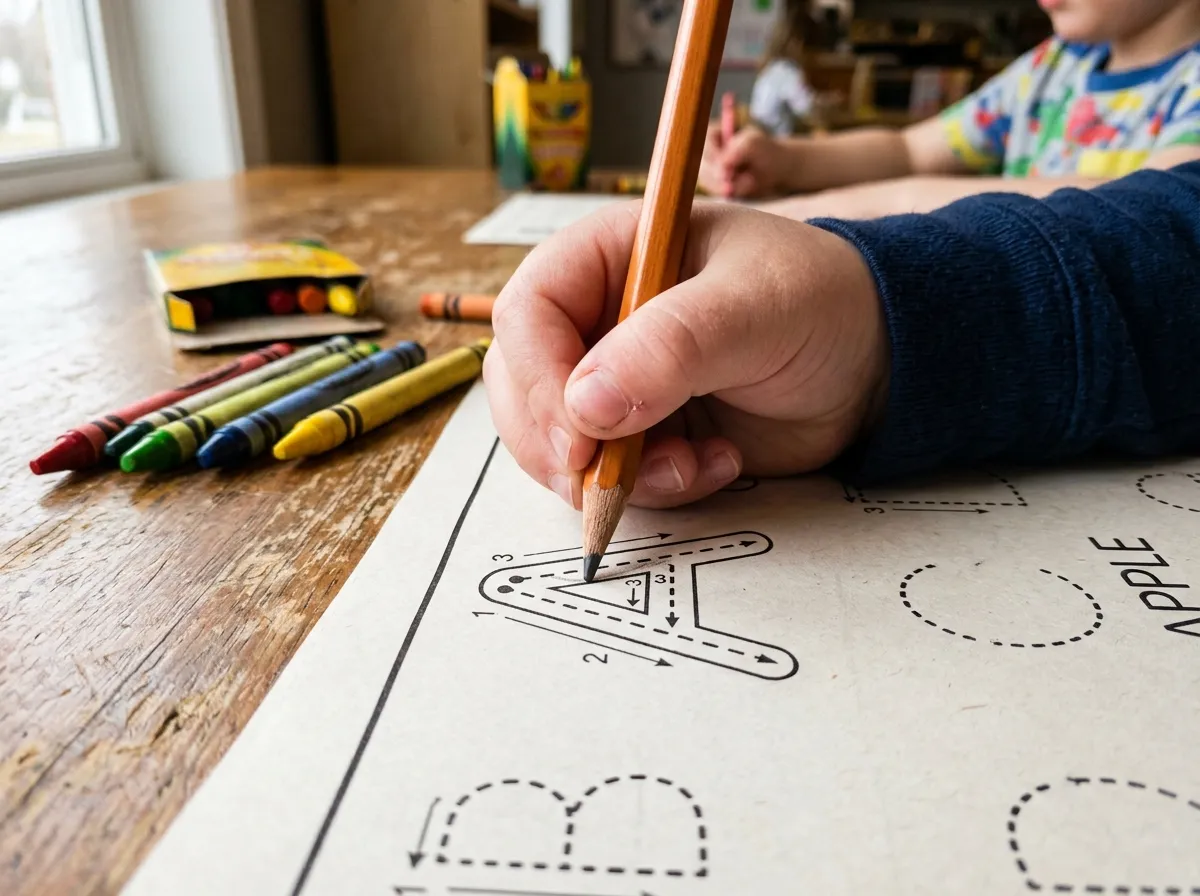
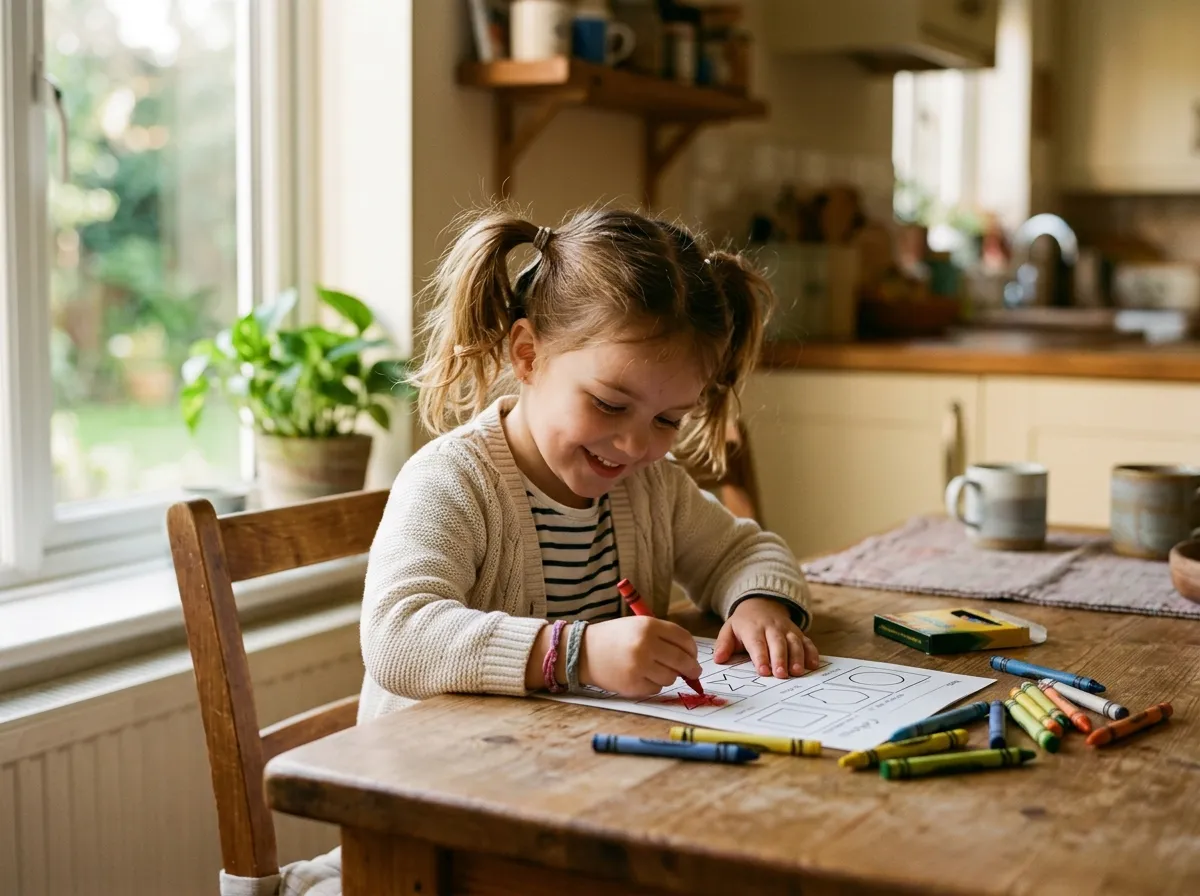
The classic: read the word, trace it once or twice while saying each letter, then write it alone in an empty box. The empty box is the important part. If your child copies by looking back each letter, the word isn't stored yet.
2. Find and color
A field of short words where your child colors every "the" yellow. Mix in look-alikes so it takes real attention: the, then, they, he. This is the quickest check of true recognition.
3. Word hunt in a sentence or short passage
Three or four simple sentences; your child underlines the target word every time it appears. This bridges worksheets and books and shows your child the word is useful.
4. Sentence building
Cut-apart word cards your child arranges into a sentence, then reads aloud: "I / can / see / a / cat." Use one or two new words plus words they already know. Glue it down and draw a picture to match.
5. Fill the missing word
"We ___ to the park." with two choices underneath (go, no). Your child has to read the whole sentence for meaning, not just spot a shape.
6. Roll and read
A grid of six words with dice numbers. Roll, read the word in that row, color a box. First column to the top wins. Good for review days and for siblings.
7. Sound boxes for the word
Draw one box per sound and write the letters for each sound: s / ai / d for "said." This is the heart words method from our kindergarten sight words guide on paper, and it is the best page type for tricky words.
8. Read and color
A simple picture with a word in each section and a key: "the = blue, and = green." Kids love these, so save them for Fridays or reviews. They are lower effort, but they get a lot of quick reading done.
How to use sight word worksheets without drill fatigue
Children don't get tired of words. They get tired of the same sheet, the same length and feeling tested. A few habits prevent most battles:
- Keep it to five minutes. Set a timer. When it rings, you stop, even mid-page.
- Do the hard part first. Writing from memory takes the most effort, so do it while your child is fresh, and leave coloring for the end.
- Say it out loud every time. Read the word before tracing and after writing. Silent copying turns into handwriting practice.
- Mix old and new. One new word per page and two known words in the sentence keeps the success rate high. Aim for your child to get most items right.
- Offer a real choice. "Pencil or crayon?" "This page or the dice game first?" Choice lowers resistance more than rewards do.
- Read a book afterward. Point out the word in a picture book. That moment of "there it is!" is what makes the page worth it.
Script for a reluctant reader
"We're doing one word today. Just one. Let's see if you can catch it hiding in these sentences. Ready, set, find!"
If your child still balks, move the same task off paper: write the word in chalk outside, build it with magnetic letters, or spell it in shaving foam. Then try the page tomorrow.
A 4-week sight words worksheet plan
This plan teaches eight words in four weeks, which is a comfortable pace for most kindergarteners. Pick words from your school's list, or start with I, a, the, see, can, we, like, my. Each session is about five minutes plus a book.
| Day | Week 1 (I, see) | Week 2 (the, can) | Week 3 (we, like) | Week 4 (a, my) |
|---|---|---|---|---|
| Mon | Read, trace, write: I | Read, trace, write: the | Sound boxes: we | Read, trace, write: a |
| Tue | Read, trace, write: see | Sound boxes: the | Read, trace, write: like | Read, trace, write: my |
| Wed | Find and color: I, see | Read, trace, write: can | Fill the missing word | Sentence building |
| Thu | Sentence building | Word hunt in sentences | Sentence building | Roll and read: all 8 |
| Fri | Read and color | Roll and read | Read and color | Read and color, then a book party |
At the end of each week, read the four to eight words on cards. A word is "known" when your child reads it instantly on three different days. Words that still need sounding out go into next week's review.
Keep phonics running alongside
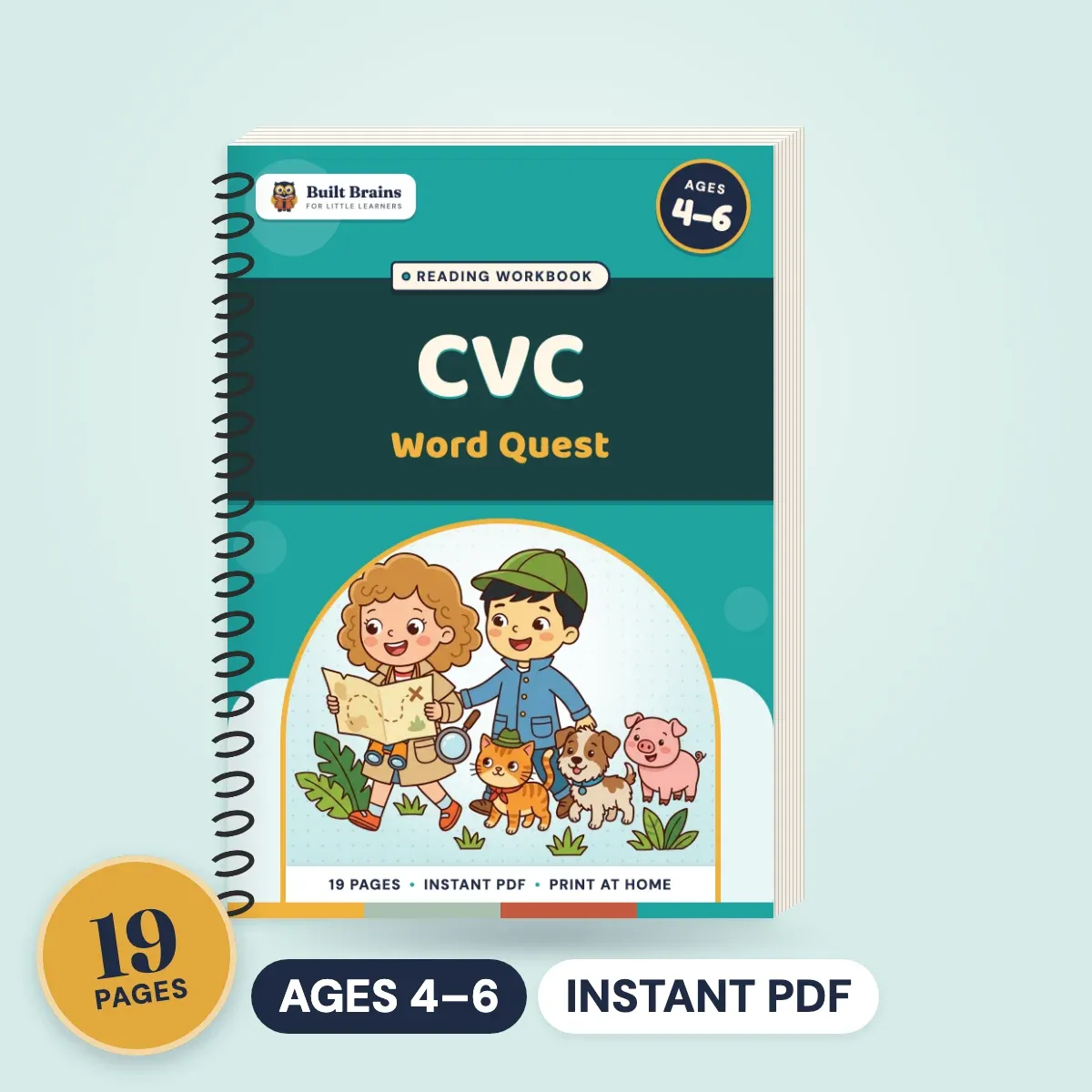
Sight words help a child read sentences early, but they don't replace learning how letters and sounds work. Keep a few minutes of letter sounds and blending going every day. Our guides on how to teach letter sounds and phonics phases show where sight words fit in a full reading plan, and CVC Word Quest gives your child first blending practice with three-letter words that pairs well with a sight word page.
Sight words worksheets for kindergarten vs grade 1
The page types stay the same; what changes is the words, the length of the sentences and how much your child writes alone.
Kindergarten (ages 5 to 6)
- Short, common words, many of them from the Dolch pre-primer and primer levels
- One word per page, with big print and plenty of tracing support
- Sentences of three to five words, mostly using known words
- Writing goal: the word on its own, from memory
Grade 1 (ages 6 to 7)
- Longer and trickier words, such as after, could, every, know, once, were and when
- Two words per page, often a pair that is easy to confuse (were and where, from and form)
- Sentences of six to ten words, and short passages of two or three sentences
- Writing goal: the word inside a sentence your child writes, such as "I could see a bird."
How to extend the plan for a first grader
- Drop most of the tracing. A first grader should write the word once from a model, then from memory.
- Add a dictation line. Say a short sentence using the word. Your child writes it, then checks it against the model.
- Use spelling-pattern sorts. Sort could, would and should together; sort know and knew together. Grouping by pattern makes words easier to remember.
- Move faster. Many first graders handle four new words a week if review stays daily.
If your first grader is still unsure of many kindergarten words, spend two or three weeks reviewing those first. It builds confidence and makes the new words easier.
Common mistakes with sight word worksheets
- Printing the whole list at once. A 30-page packet on the table looks like a mountain. Print one week.
- Tracing as the only task. Tracing practices letter formation. Reading needs reading.
- No look-alikes on find pages. If every other word is very different, your child can find "the" without really reading it.
- Skipping the sentence. Words read in isolation fade fast. Always end with the word in a sentence or a book.
- Using all-caps fonts. Books are printed in lowercase, so worksheets should be too.
- Correcting every wobbly letter. On a sight word page, reading comes first. Save handwriting corrections for handwriting time.
When worksheets aren't the right fit
Some children, especially younger fours, find any pencil work hard because their hands tire quickly. That is normal. For them, stay with hands-on play like magnetic letters, word cards and books, and add pages once their grip is steadier. Play-dough, tongs, pegs and stickers build that strength.
If your child knows very few letter sounds yet, start there instead. The letter recognition activities guide is a better first step than sight words.
And if your child keeps struggling to remember words after months of steady, short practice, mention it to their teacher or pediatrician. Children vary a lot, and a check-in can rule things out or get extra help early.
Getting started this week
Choose two words, print one page for each and set a five-minute timer tomorrow morning. Read a picture book afterward and hunt for the words together. That is a complete sight words lesson.
If you'd like to test the routine before buying anything, try our free printable book. When you're ready for a full set of pages, these are the simplest place to start:
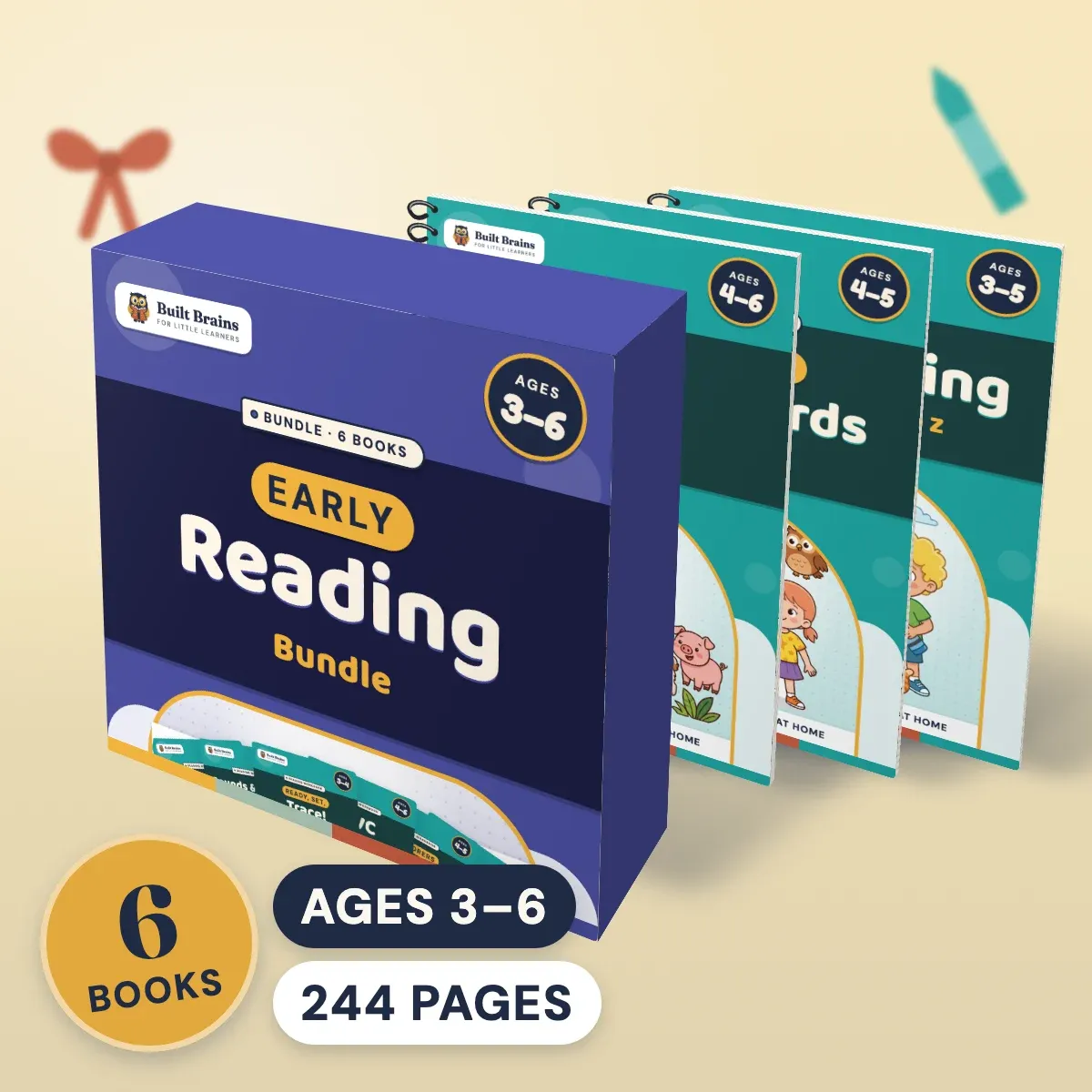
Sight Word Explorers: Kindergarten covers 52 words with one page each and a review page after every four words, so you never have to plan which page comes next. Younger readers can begin with the Pre-K edition, and the Early Reading Bundle puts pre-writing, the alphabet, beginning sounds, CVC words and both sight word books (92 words) in one download.
Questions parents ask
Yes, when they ask the child to read and use the word, not just copy it. A good page connects the letters to their sounds, makes your child write the word from memory and then spot it in a sentence. Pages that only ask for coloring or copying a word ten times do much less for reading.
One is plenty, and it should take about five minutes. Add a quick oral review of older words and a real book. Children learn sight words through many short, spaced encounters, so a page a day for a few months beats a stack of pages in one sitting.
Most first-grade lists build on the kindergarten words with longer and trickier ones such as after, could, every, know, once, were and when. The Dolch first-grade level has 41 of these. Ask your child's teacher which list the school uses, and review the kindergarten words first.
Most children are ready around age 4 to 5, once they know most letter names and many letter sounds and can hold a pencil for a few minutes. If your child can't yet tell letters apart, spend time on letter recognition and sounds first, then come back to sight words.
Shrink and switch. Do half a page, then play a game with the same word, like hunting for it in a book or jumping on chalk words. Rotate page types through the week so it never feels like the same sheet, and give your child a choice of which page comes first.