What is the Year 1 phonics screening check?
The phonics screening check is a short reading check that all children in England take in Year 1, usually aged 5 or 6. Each child sits one-to-one with a teacher and reads 40 words aloud. Some are real words and some are made-up "alien" words, and every one can be read by sounding out and blending.
According to the DfE's information for parents, its purpose is to confirm that children have learned phonic decoding to an age-appropriate standard, and to spot those who need extra help early so they don't fall behind.
It is not:
- a test of comprehension or how much your child enjoys reading
- timed, or done in front of the class
- a pass/fail grade that follows your child around; school-level results aren't published
If you'd like the background on how phonics is taught from Reception onwards, start with phonics phases explained.
When is the check, and how is it run?
When
The check happens in a set week in June of Year 1. The dates are fixed nationally each year; in 2026, for example, schools ran it in the week beginning 8 June, and children who were absent could take it until 19 June. Children who have not met the standard by the end of Year 1, or who missed it, take it in June of Year 2.
How it's run
The DfE's administration guidance sets out the rules for schools:
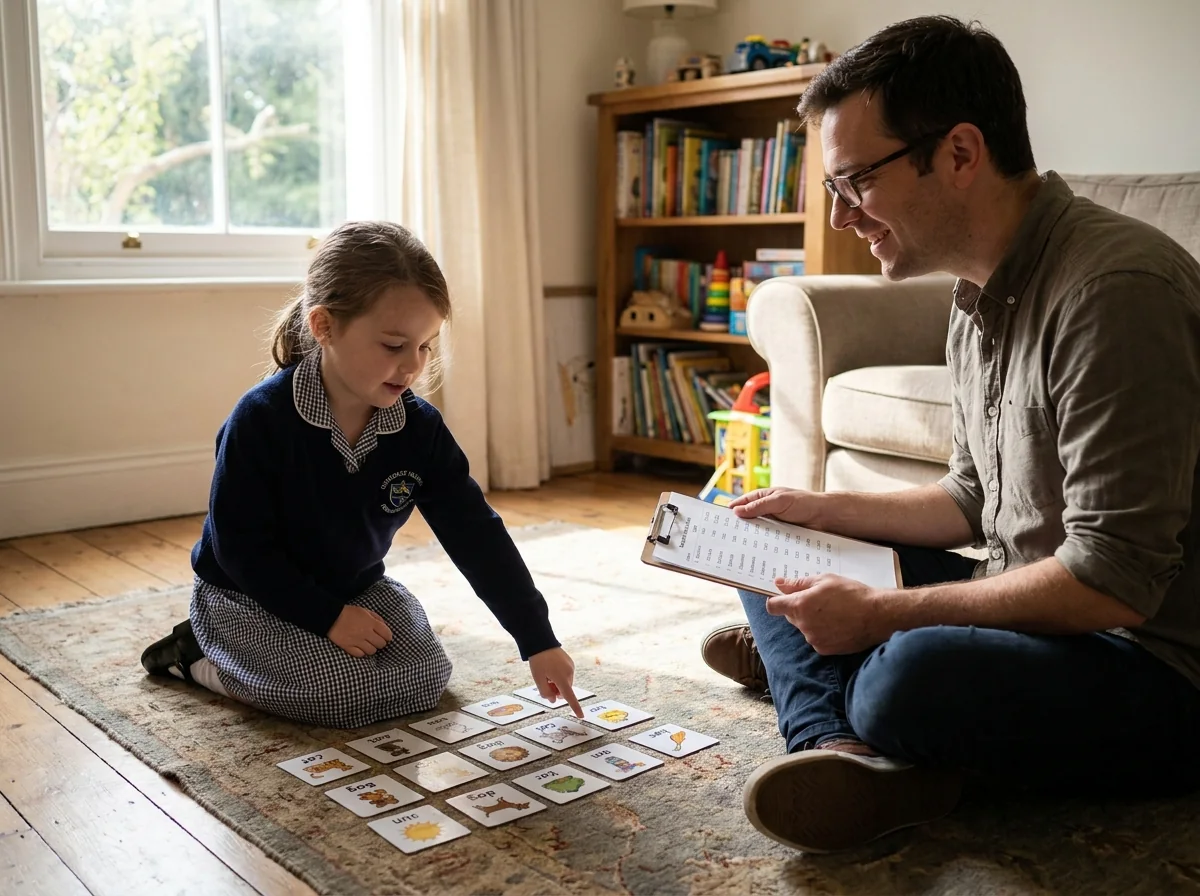
- One-to-one with a teacher, in a quiet, comfortable room, with phonics displays covered up
- A practice sheet first, with four alien words and four real words, so your child knows what to expect
- Not timed; the guidance expects it to take each child between 4 and 9 minutes
- Rest breaks are allowed, and teachers should stop the check if a child becomes distressed
- Children can use sound buttons if that is how they read in class
- The teacher marks each word right or wrong on an answer sheet as the child reads
Children with additional needs
Schools can adapt the check in line with what a child normally uses in class, for example modified materials with fewer words on a page, coloured overlays or extra rest breaks, without asking permission. If a child can't yet decode the words on the practice sheet, the teacher talks to the headteacher about whether they should take part at all. If your child has a special educational need, ask the class teacher or SENCo in the spring term what arrangements they plan to use.
What the words look like
The 40 words come in two sections of 20. They start with simpler words built from single letters and early digraphs, then move to longer words and the spellings children learn in Year 1, such as split digraphs (the a-e in cake). Every word is decodable using phonics.
| Word type | Examples (made up for this article) | What it checks |
|---|---|---|
| Real, simple | shop, chin | Single sounds and digraphs |
| Alien, simple | vop, thim | Blending without word memory |
| Real, longer | crisp, sharp, cloud | Adjacent consonants and vowel digraphs |
| Alien, longer | strom, blain, pide | Year 1 spellings in unfamiliar words |
Why are there alien words?
Half of the 40 words are pseudo-words, which children usually call alien words. Each one sits next to a picture of an imaginary creature, and the word is that creature's name.
Here's why they are there. A child can read a familiar real word like shop because they have seen it many times. With a word like thim, there is no memory to lean on: the only way to read it is to say each sound and blend it. So alien words show whether a child can genuinely decode, which is the skill that lets them read any new word they meet in a book.
The creature picture matters too. It tells your child the word isn't real, so they don't "correct" strom into storm. Teachers explain this with the practice sheet before the check starts.
Calm, low-pressure practice at home
The DfE's parent advice is refreshingly simple: encourage your child to sound out unfamiliar words and blend from left to right rather than guessing from the pictures, and read the decodable books school sends. You don't need to buy past papers or set a revision timetable.
A 10-minute daily routine
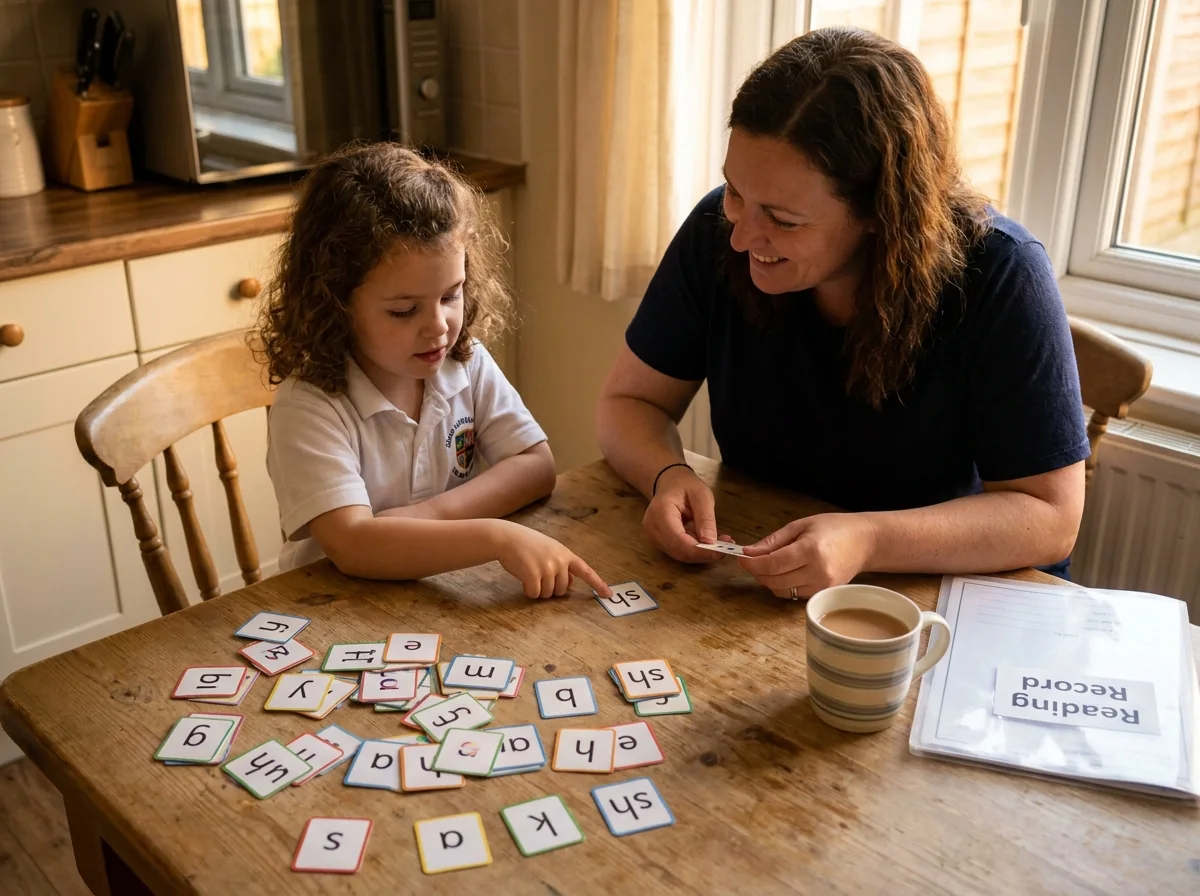
- Two minutes of sounds. Flick through the sounds your child is learning, using your school's sound cards or mat.
- Five minutes of the reading book. Your child reads; you wait. If they get stuck, point to each sound, say them together, then "say it fast".
- Three minutes of a game. Pick one from the list below.
Then read a story to them, just for fun. That matters as much as anything else.
Five games that build the skills the check looks for
- Alien names. Draw a monster together, then make up its name from sounds your child knows (glarp, shem). Swap: you invent, they read.
- Real or silly? Write ten words on scraps of paper, half real, half made up. Read each one and sort into "words" and "alien words".
- Sound button race. Write five words. Your child adds dots and dashes under the sounds, then reads them.
- Split digraph magic. Write cap, then add an e: cape. Do the same with pin/pine, hop/hope, cub/cube. Children love the "magic" change.
- Word ladders. Change one sound at a time: ship, shop, chop, chip, chin.
Our CVC words list has plenty of short words to start with, and Year 1 common exception words covers the tricky words children learn alongside phonics this year. Those exception words won't be in the check, but they make everyday reading much smoother.
What to avoid
- Drilling lists of nonsense words. A few in a game is fine; worksheets of them every night isn't.
- Talking about "passing". Call it "reading some words with your teacher", which is exactly what it is.
- Teaching a different method. Use the sounds and phrases your school uses, so your child isn't caught between two systems.
- Guessing from pictures. Encourage your child to look at every letter in the word.
Results and what happens next
After the check, the DfE publishes a threshold mark, the score that shows a child has met the expected standard. It is set each year: the published 2024 and 2025 check materials both give it as 32 out of 40.
Your child's teacher will share their score with you in the second half of the summer term, often in the end-of-year report.
If your child meets the standard
They carry on with phonics and spelling in Year 2, with more focus on reading fluently and understanding what they read.
If your child doesn't meet the standard
This is common and it doesn't mean your child "can't read". Some children just need more time, and summer-born children are almost a year younger than their oldest classmates. The school should:
- tell you what extra support it is putting in place
- keep teaching phonics at your child's level
- give your child the check again in June of Year 2
Ask the teacher which sounds to focus on at home. Then keep the routine above going, little and often.
Printable practice for Year 1 and Year 2
Short printed pages can be a calm way to keep reading ticking along without screens.
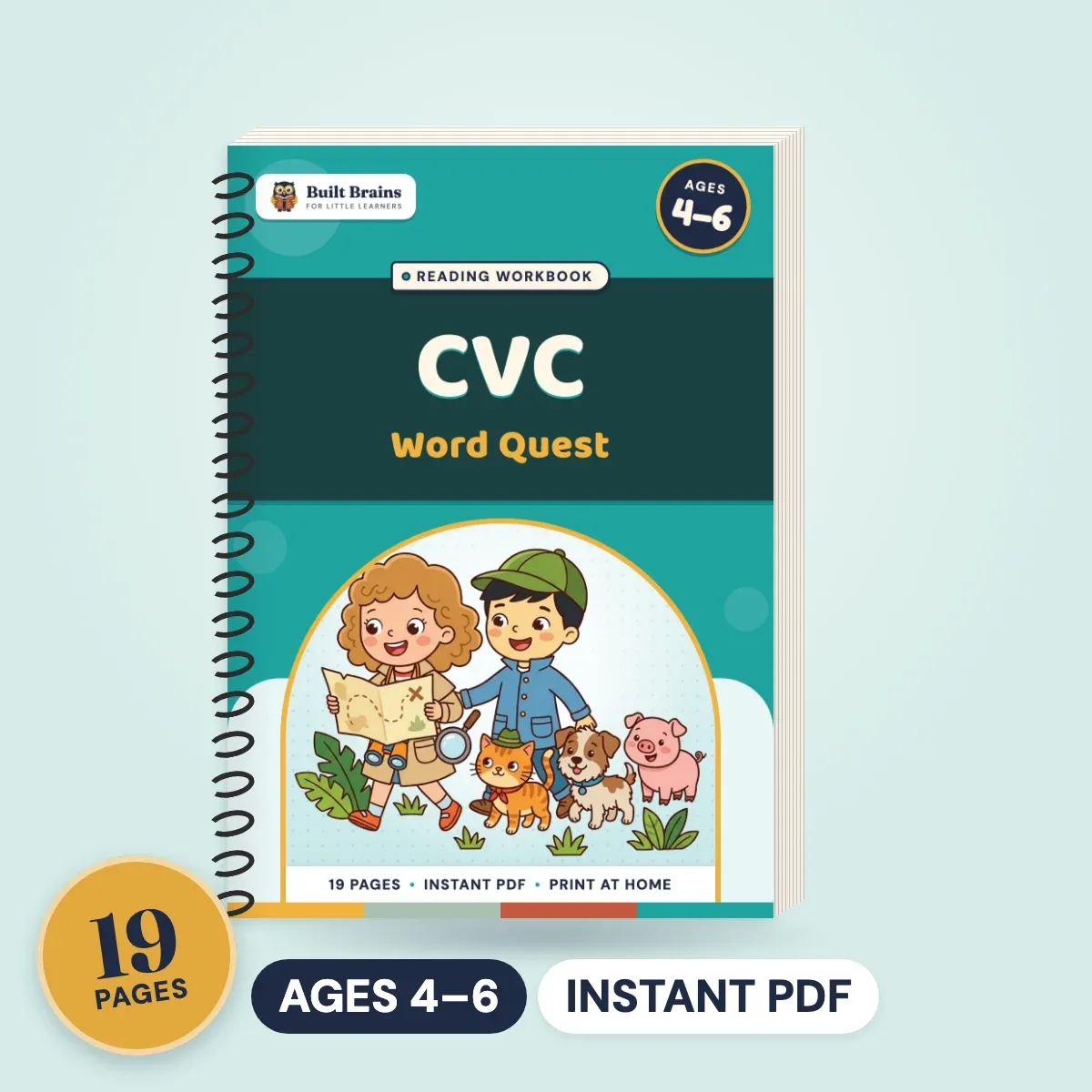
- CVC Word Quest (ages 4 to 6): sound out, spell, trace and read three-letter words. Ideal for children who need to firm up blending.
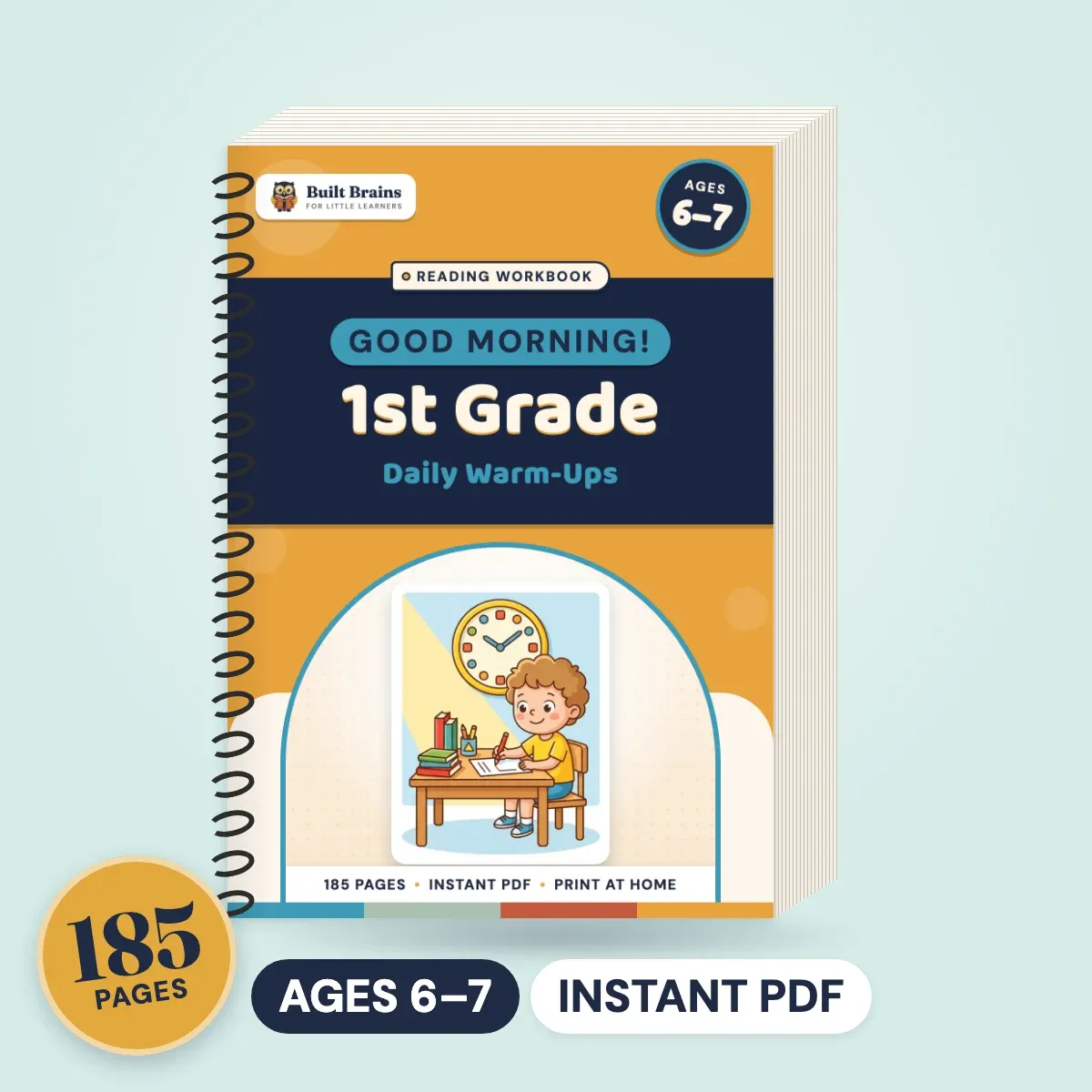
- Good Morning! 1st Grade Warm-Ups (ages 6 to 7): 180 short daily pages mixing word work, puzzles and maths. "1st grade" is the US year for 6 and 7 year olds, roughly Year 2 here, so it suits the end of Year 1 and the retake year.
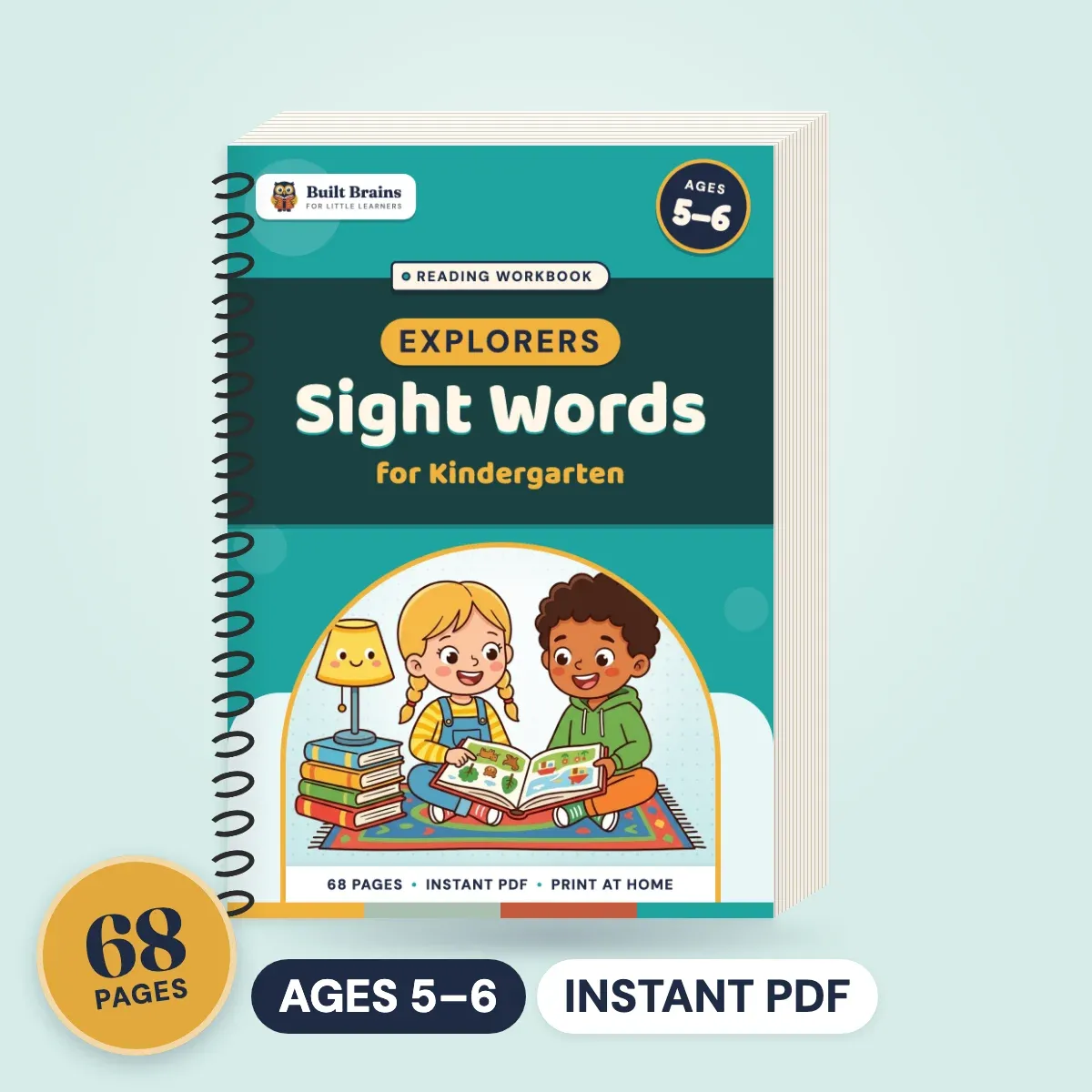
- Sight Word Explorers: Kindergarten (ages 5 to 6): 52 common words to read, trace, write and find. It uses a US word list, so pair it with your school's exception words.
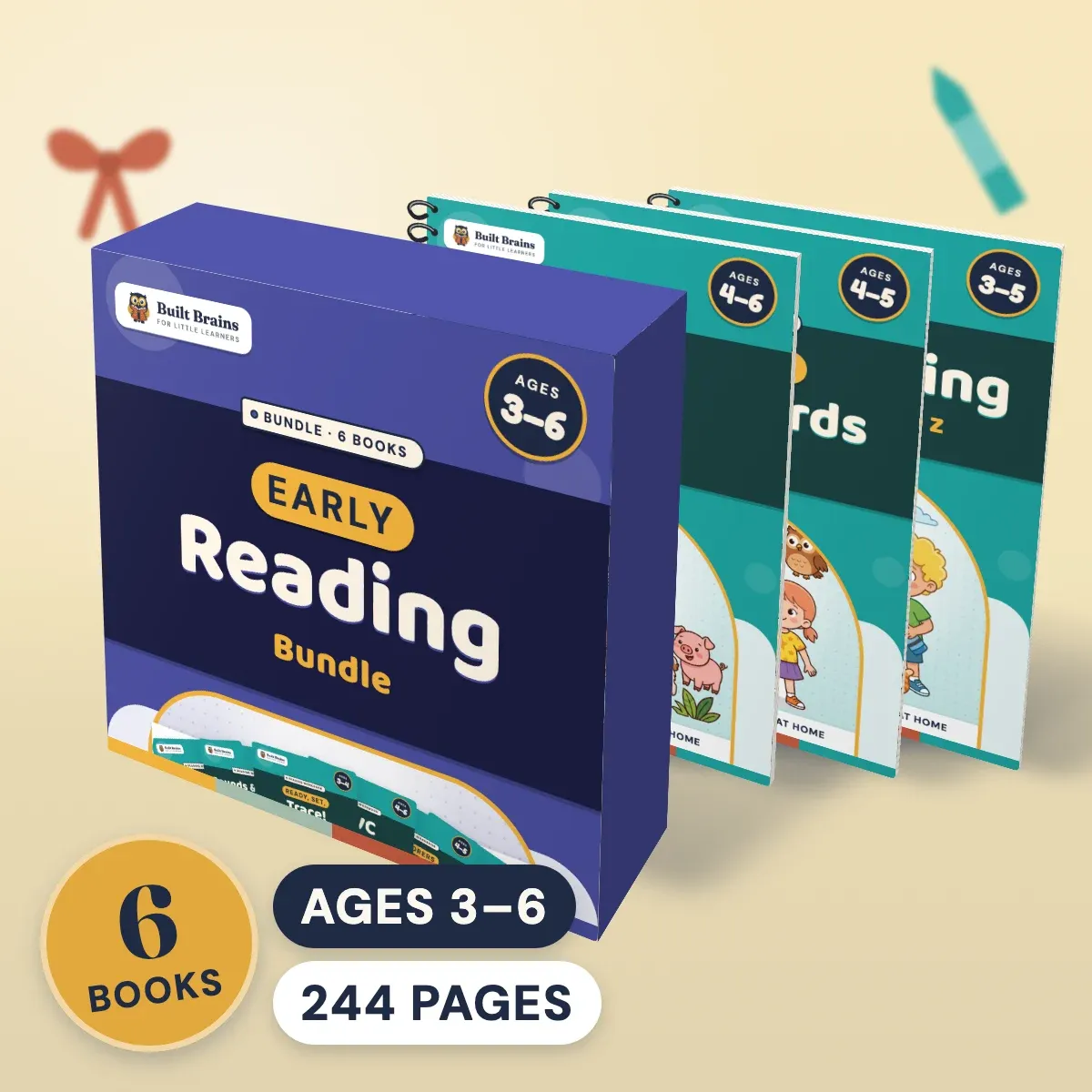
- The Early Reading Bundle (ages 3 to 6) brings six books together, from pre-writing to CVC words and sight words, for children who need to go back over the basics.
Every book comes in A4 as well as US Letter.
Sources
- GOV.UK – Phonics screening check: information for parents: the purpose of the check, the 40 words and pseudo-words, results sharing and the Year 2 retake.
- GOV.UK – Phonics screening check administration guidance: one-to-one administration, the practice sheet, the 4 to 9 minute estimate, rest breaks and stopping early.
- GOV.UK – Phonics screening check: 2025 materials: the 2025 threshold mark of 32.
Questions parents ask
It takes place in a set week in June, chosen nationally each year. In 2026 schools were told to run it in the week beginning 8 June, with absent pupils able to take it later that month. Your child's school will tell you the dates, and many hold a short parents' session in the spring explaining what to expect.
There isn't a pass or fail for your child; there is a threshold mark, published by the DfE each June after the check. It was 32 out of 40 in both 2024 and 2025. Children who reach it have met the expected standard. Those who don't get more support and take the check again at the end of Year 2.
Made-up words, shown next to a picture of an imaginary creature, can't be read from memory or guessed from meaning, so they show whether a child can really decode: say each sound and blend. The picture tells children the word isn't real, so they don't try to turn "strom" into "storm". Half of the 40 words are pseudo-words.
The check isn't timed. DfE guidance expects it to take each child between four and nine minutes, and teachers can give rest breaks or stop early if a child is struggling or upset. It is done one-to-one in a quiet room, and teachers usually use a practice sheet first so children know what to expect.
Nothing dramatic. The school should tell you what extra support it is putting in place, and your child retakes the check in June of Year 2. Many children who miss the threshold in Year 1 simply needed more time. Ask the teacher which sounds to practise at home, and keep reading decodable books together every day.
A few, playfully, is fine, especially if your child likes monsters. But drilling lists of nonsense words isn't needed and can make children anxious. The best practice is reading decodable books, sounding out unfamiliar real words, and quick games with the sounds your child is learning at school.
Reviewed by
Year 1 Teacher & KS1 Phase Lead
Tom Evans is a Key Stage 1 Phase Lead dedicated to smoothing the transition from EYFS play-based learning to structured Year 1 curriculum.
More about Tom →