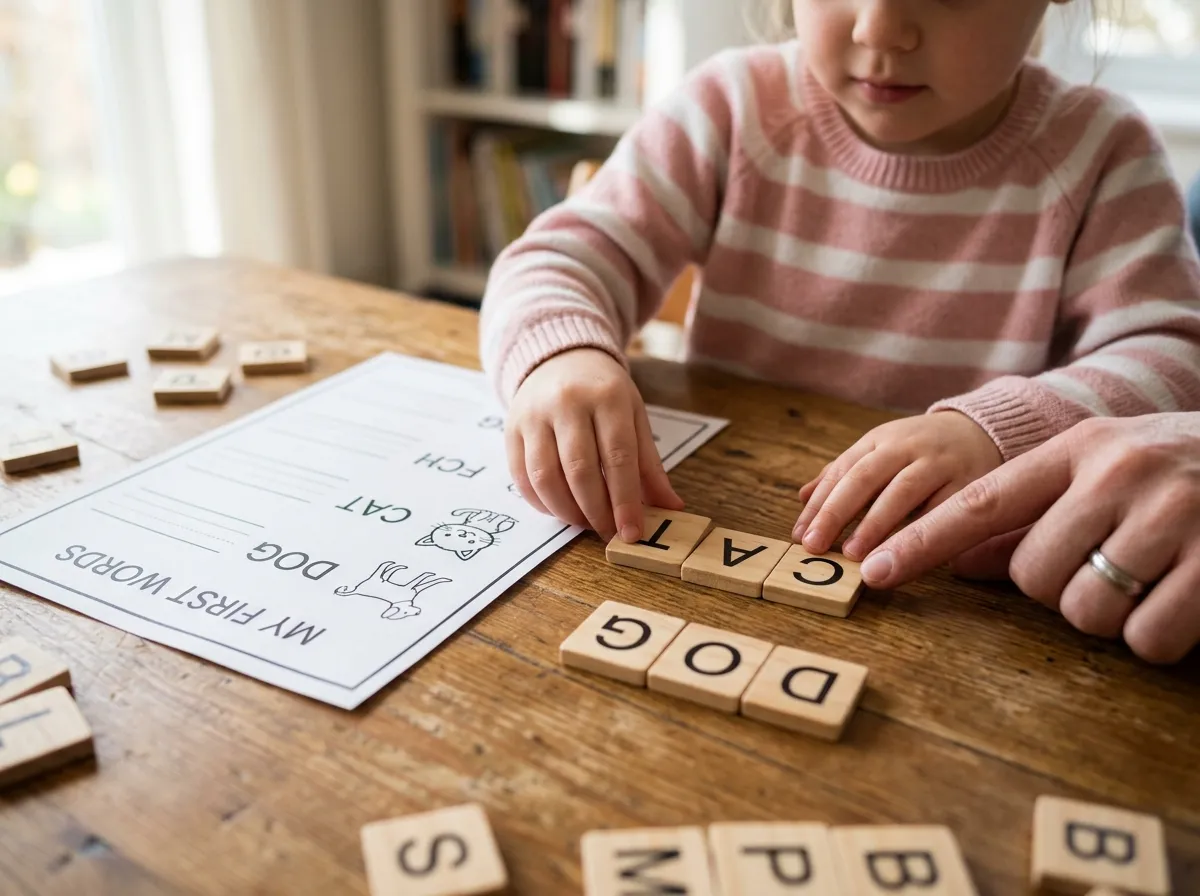
What are CVC words?
CVC words follow the pattern consonant, vowel, consonant: c-a-t, d-o-g, s-u-n. Each letter makes one sound, the vowel is always short, and there are no silent letters or letter teams. That makes them the perfect first words for sounding out.
Before CVC words, your child needs two things:
- Most letter sounds. Not letter names: they need to know that m says /mmm/ and a says /a/ as in apple. Our guide on how to teach letter sounds covers this step.
- Hearing sounds in words. If you say "c-a-t" slowly, can they tell you "cat"? If you say "map," can they tell you the first sound? This listening skill comes before reading.
If both are in place, your child is ready to start reading CVC words. In the UK, the Department for Education's Letters and Sounds programme starts with s, a, t, p, i, n for exactly this reason: within a few weeks children can read at, sat, pat, tip, pin and nap. Our guide to phonics phases explains how this fits into the bigger picture.
What's inside CVC Word Quest
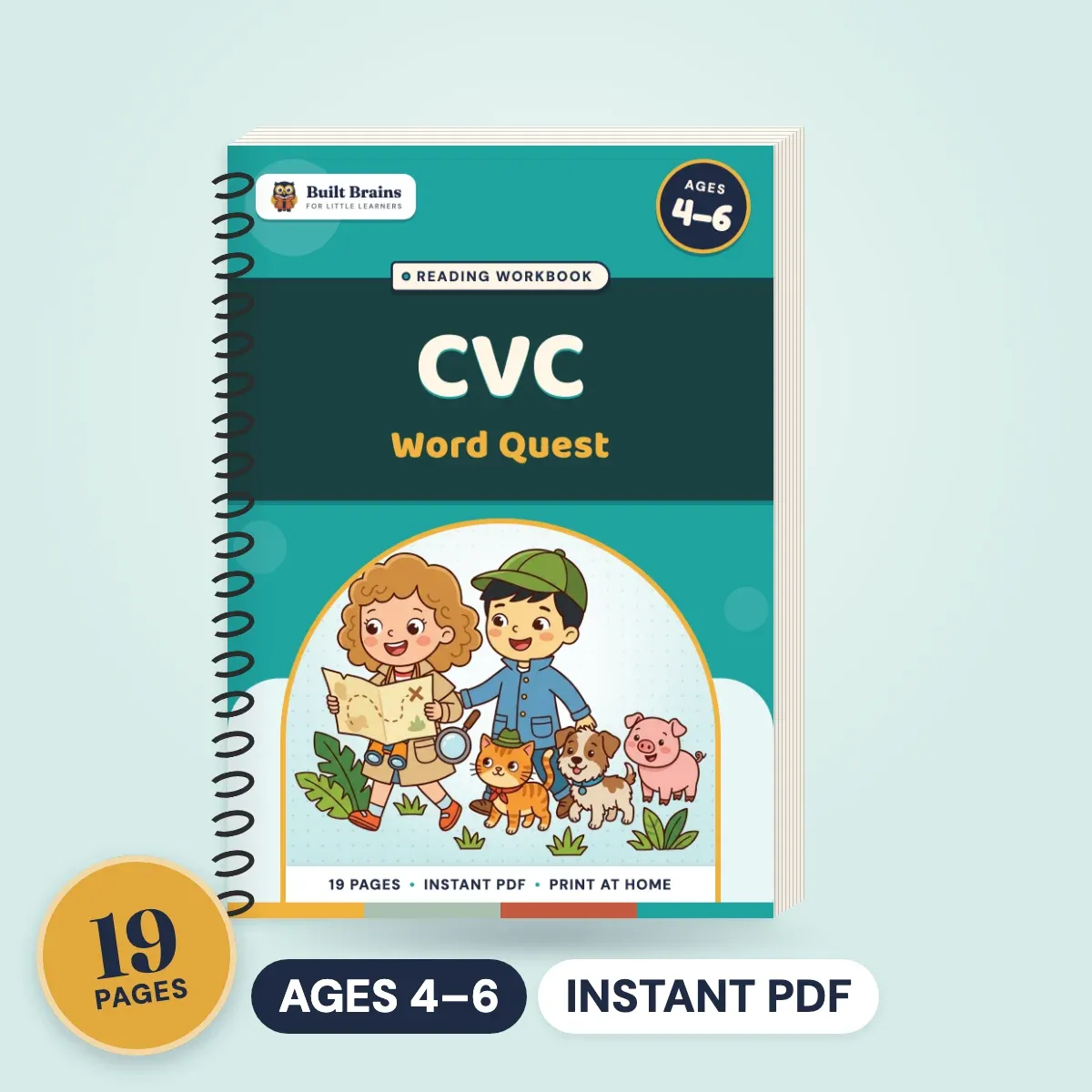
If you want ready-made practice, CVC Word Quest is a 19-page workbook for ages 4 to 6 ($7). Your child says each picture slowly, writes one sound per box, then traces, reads and finds the words. It has 10 sound-it-out writing pages, 3 tracing pages, 2 reading pages with sentences, word searches, a page of cut-out word cards and a certificate of completion. It is an instant PDF download, black and white, prints on US Letter or A4, and has a 14-day money-back guarantee.
Full CVC words list by short vowel
All 170 words below are real, kid-friendly words with a short vowel and one sound per letter. Read across a row for word family practice, or pick one word from each row for a mixed list.
Short a CVC words
Short a sounds like the a in apple. These are the most common CVC words and the best place to start.
| Word family | Words |
|---|---|
| -at | bat, cat, fat, hat, mat, pat, rat, sat |
| -an | can, fan, man, pan, ran, tan, van |
| -ap | cap, gap, lap, map, nap, tap, zap |
| -ad | bad, dad, had, mad, pad, sad |
| -ag | bag, rag, tag, wag |
| -am | dam, ham, jam, ram, yam |
| -ab | cab, dab, lab, tab |
| Other short a | gas, yak, pal |
Short e CVC words
Short e sounds like the e in egg. Many children mix it up with short i, so practice saying "egg" and "itch" and feeling the difference in your mouth.
| Word family | Words |
|---|---|
| -et | bet, get, jet, let, met, net, pet, set, vet, wet, yet |
| -en | den, hen, men, pen, ten |
| -ed | bed, fed, led, red, wed |
| -eg | beg, leg, peg |
| Other short e | web, yes, hem, pep |
Short i CVC words
Short i sounds like the i in itch or igloo.
| Word family | Words |
|---|---|
| -ig | big, dig, fig, jig, pig, wig |
| -it | bit, fit, hit, kit, lit, pit, sit |
| -in | bin, fin, pin, tin, win |
| -ip | dip, hip, lip, rip, sip, tip, zip |
| -id | bid, did, hid, kid, lid |
| -ib | bib, fib, rib |
| -im | dim, him, rim |
Short o CVC words
Short o sounds like the o in octopus. In most American accents it is close to "ah"; in British English it is shorter and rounder. Teach the sound your family uses.
| Word family | Words |
|---|---|
| -op | cop, hop, mop, pop, top |
| -ot | cot, dot, got, hot, jot, lot, not, pot |
| -og | bog, dog, fog, hog, jog, log |
| -ob | cob, job, mob, rob, sob |
| -od | cod, nod, pod, rod |
| Other short o | mom, sod, tot |
Short u CVC words
Short u sounds like the u in up or umbrella.
| Word family | Words |
|---|---|
| -ug | bug, dug, hug, jug, mug, rug, tug |
| -un | bun, fun, run, sun |
| -ut | but, cut, hut, nut |
| -ub | cub, hub, rub, sub, tub |
| -um | gum, hum, sum, yum |
| -ud | bud, mud |
| -up | cup, pup |
| Other short u | bus, mum (UK), pug |
Words to leave out at first
Some three-letter words look like CVC words but do not behave like them. Leave these until later:
- Words ending in x: box, fox, six, mix, wax. X makes two sounds, /k/ and /s/.
- Words ending in w or y: saw, cow, toy, day. These letters change the vowel sound.
- Words with r after the vowel: car, her, for.
- Common tricky words: was, put, his, has. Teach these as sight words instead.
The best order to teach CVC words
Children learn faster when the first words are easy to blend. This order works for most children:
- Start with short a and continuous sounds. Letters you can stretch, like m, s, f, n, l and r, are easier to blend than "stop" sounds like b, d, g, p, t and k. Begin with words like mat, sat, man, fan, ram, then add words that start with stop sounds, like cat, bag, dad.
- Add short i. Practice i words, then mix a and i words together so your child has to look at the vowel.
- Add short o, then short u. Mix again after each one.
- Add short e last. Then do a mixed review of all five vowels.
- Move to sentences. "The cat sat on a mat." Add a sight word or two (the, a, is) so the sentences make sense.
- Then move on. Once your child reads mixed CVC words fairly smoothly, start digraphs (sh, ch, th) and blends (st, fl).
Plan for roughly one to two weeks per vowel, with 10 minutes of practice a day. Some children need longer, and that is completely normal.
How to teach a child to blend CVC words
Continuous blending (the easiest way to start)
Say the sounds without stopping between them, stretching each one: "mmmaaat." Then say it a bit faster, "mmaat," then "mat." Children hear the word appear. Point under each letter as you go.
A script you can use: "Watch my finger. I'm going to say the sounds and keep my voice going. Mmmmaaaannnn. Now faster. Maan. Man! Your turn."
Two-step blending (for children who forget the first sound)
If your child says "a-t... /at/" and loses the first sound, blend two sounds at a time: "/m/ /a/... ma... /t/... mat." Holding two sounds is easier than holding three.
What to do when your child is stuck
- They say the letter names. Point and ask, "What sound does it make?" Keep practicing sounds on their own for a few days.
- They add "uh" to sounds ("buh-a-tuh"). Model clipped sounds: /b/ is a quick puff, not "buh." This makes blending much easier.
- They guess from the picture or the first letter. Cover the picture, and say, "Check every letter," pointing to each one.
- They can say the sounds but cannot blend. Go back to oral blending with no letters for a week: "I spy a p-i-g!"
CVC word games and activities
Short, playful practice works better than long worksheets. Try one of these each day:
- Robot talk. Talk like a robot: "Get your c-u-p." Your child blends and fetches it. No letters needed.
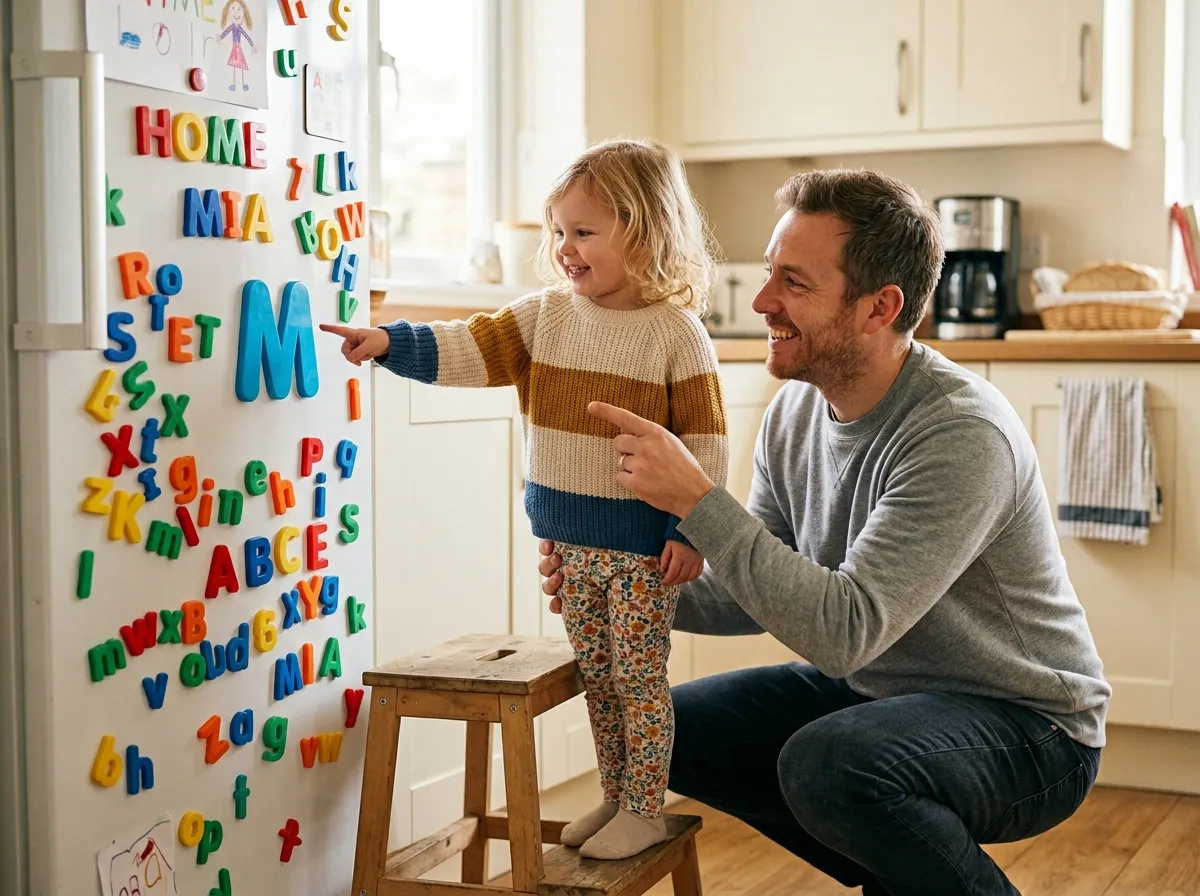
- Change one letter. With magnetic letters, make cat. Change c to h: hat. Change t to m: ham. Change a to i: him. Children have to look at every letter.
- Sound boxes. Draw three boxes. Say a word, and your child pushes one counter into each box for each sound, then writes the letters.
- Word hunt. Hide CVC word cards around a room. Your child reads each one before collecting it.
- Read and do. Cards with action words: hop, run, sit, nod, hug, tap. Read it, then do it.
- Picture match. Lay out pictures and word cards; your child reads and matches. CVC words with pictures are great for checking real reading, as long as the word is read first and the picture is used to check.
- Roll a word. Write onsets on one die (c, h, m, p, s, t) and rimes on another (at, an, ap, ig, op, un). Roll, read, and decide if it is a real word or a silly one.
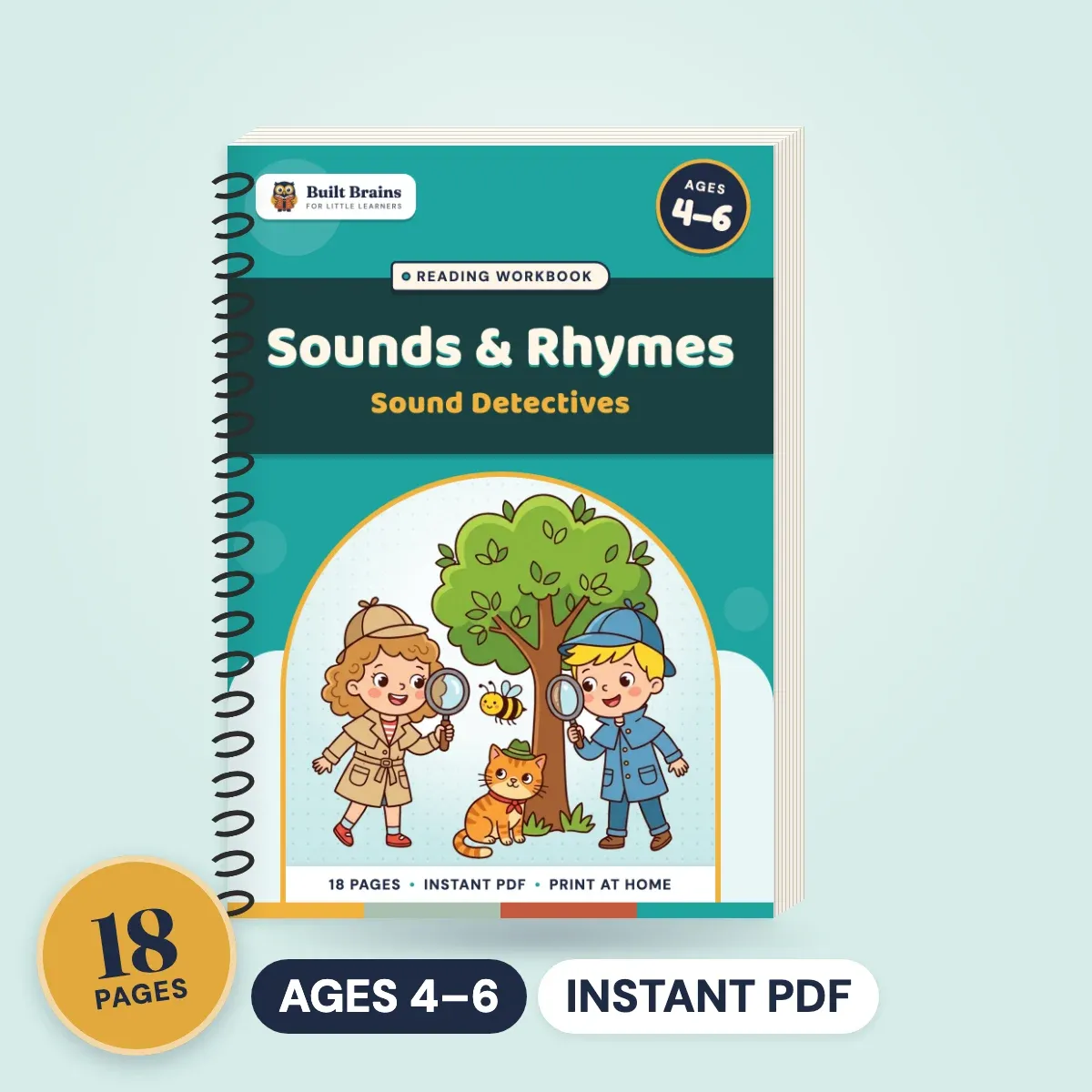
Ages 4–6 · 18 pages
Sound Detectives: Sounds & RhymesHear it, say it, circle it — the step before reading
Word families: helpful, but not on their own
Word families (cat, hat, mat, sat) help children see patterns and spell by analogy, and they link nicely with rhyming games; see our rhyming activities for ideas. They are a great second step after your child has blended a few words sound by sound.
The catch: if a child only ever reads word family lists, they can read "-at" as a chunk and change the first letter without ever looking closely at the vowel. When you mix families, they struggle. So use word families for practice, and always include mixed lists, like cat, sit, hop, bed, sun, so every letter gets checked.
CVC words worksheets and practice ideas
Good CVC worksheets have your child do something with sounds, not just color. Look for pages where your child:
- Says a picture slowly and writes one letter per sound (sound boxes).
- Reads a word and matches it to a picture.
- Fills in the missing vowel (c_t, p_g) by saying the word.
- Reads a short sentence and draws it.
- Traces and then writes the word without a model.
Pair CVC practice with a few sight words a week, such as the, a, is and I, so your child can read real sentences early. Our kindergarten sight words list shows which ones to teach first.
If your child still struggles to blend after several months of short daily practice, or seems to have trouble hearing sounds in words, mention it to your pediatrician or your child's teacher. A hearing check and a little extra support early on can make a real difference.
The easiest way to practice CVC words at home
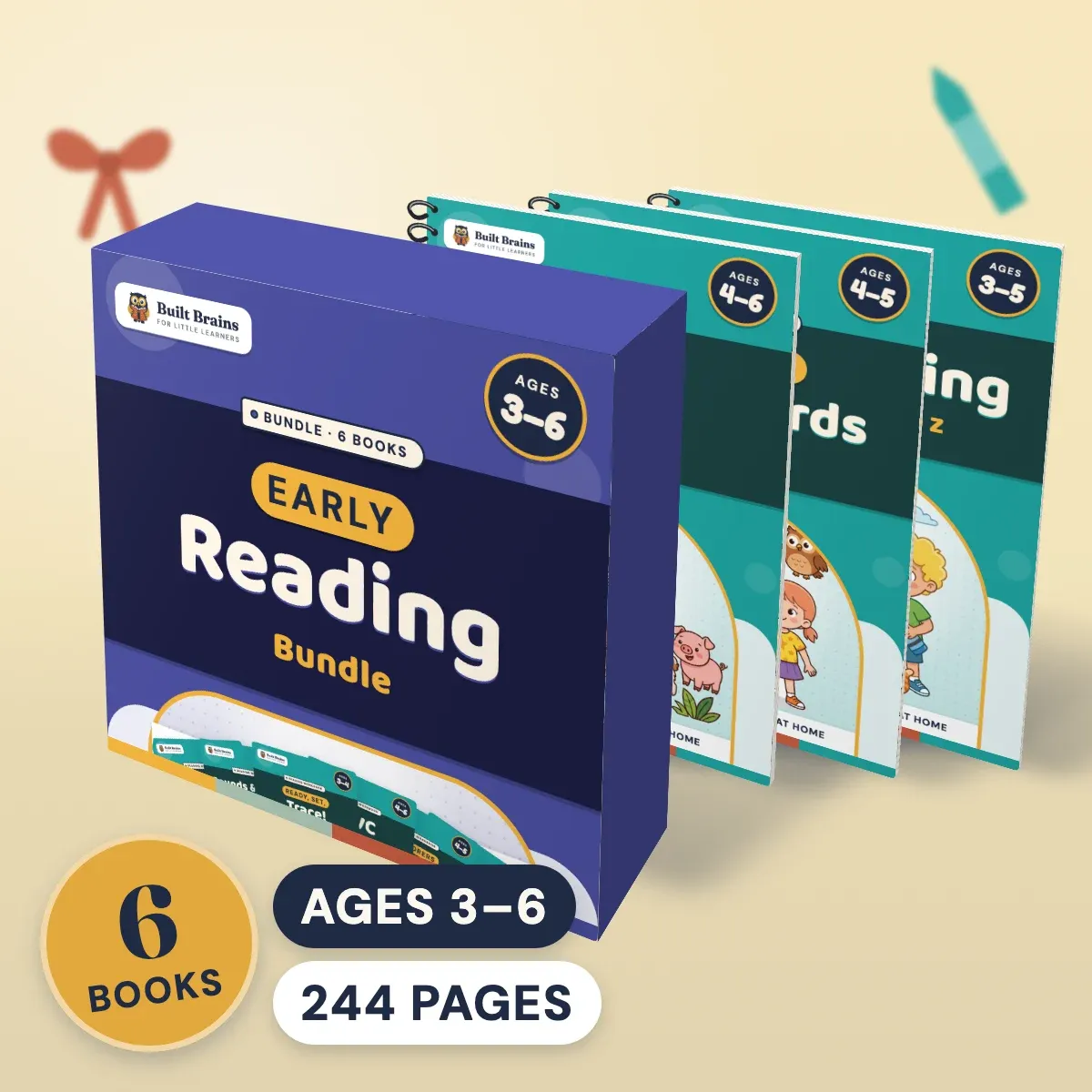
You can teach CVC words with a whiteboard, magnetic letters and the lists above. If you would like ready-to-print pages that follow the same steps (say it slowly, write one sound per box, trace, read and find), CVC Word Quest does exactly that. It is also included in the Early Reading Bundle, which covers pre-writing, the alphabet, beginning sounds and rhymes, CVC words and 92 sight words in order.
Want to try our page style first? Try our free printable book before you buy anything. Every Built Brains product is an instant black-and-white PDF that prints on US Letter or A4, with a 14-day money-back guarantee.
Questions parents ask
CVC stands for consonant, vowel, consonant. A CVC word has three sounds: a consonant, a short vowel, then another consonant, such as cat, hen, sit, mop and bug. Because each letter makes one sound and there are no tricky spellings, they are the easiest words for beginning readers to sound out and blend.
Many children start blending CVC words at around 4 or 5, in pre-K or kindergarten, once they know most letter sounds and can hear the separate sounds in a spoken word. Children vary a lot. Most US kindergarten programs expect children to read CVC words by the end of the year, so there is plenty of time.
Short a is the usual starting point because it is common and easy to hear. Short i and short o often come next, then short u. Many teachers leave short e until last, because children easily confuse it with short i. After each new vowel, mix it with the vowels already learned.
No. CVC words are decodable: your child can sound them out letter by letter. Sight words are common words, such as the, said and was, that often do not follow the usual rules and are learned by heart. Most programs teach both side by side, a few of each every week.
Rather than a number, aim for skill: by the end of kindergarten most children can sound out an unfamiliar CVC word with any short vowel. A child who can blend 30 or 40 words with all five vowels can usually read the rest of this list, because the skill transfers from word to word.