What does kindergarten cover?
Kindergarten is the year children go from knowing letters to reading simple words, and from counting objects to understanding what numbers mean. Everything else (science, social studies, art, music) is best woven in through themes, books and play. If you cover the four areas below steadily, your child will be well prepared for first grade.
Reading and phonics
- Letter sounds, not just letter names. Your child should hear “mmm” when they see m. Our guide on how to teach letter sounds walks through the order and the games.
- Blending three-letter words like cat, sit and hop, then moving on to digraphs (sh, ch, th), blends (st, fl) and silent e by the end of the year.
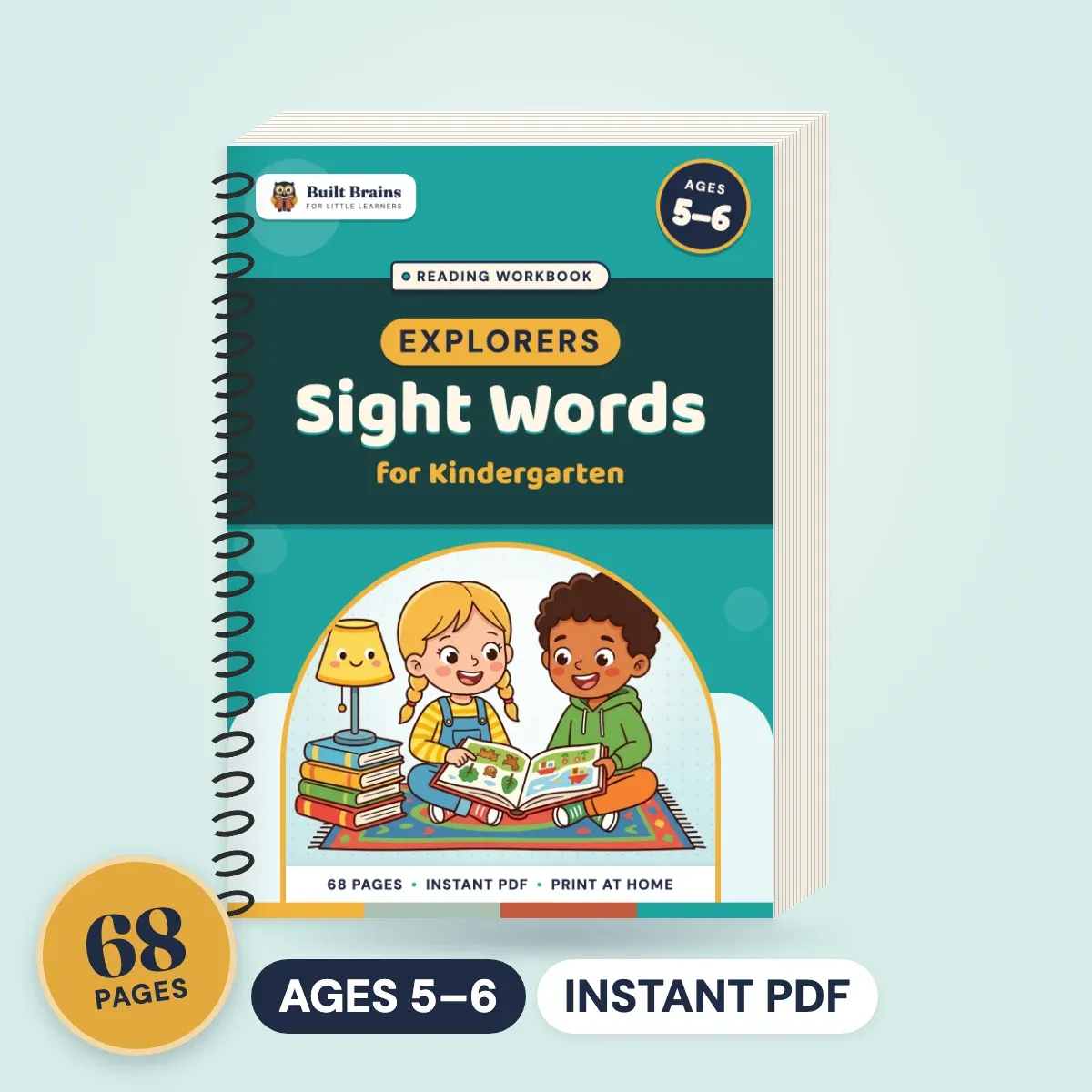
- Sight words: the common words that are hard to sound out, such as the, said and you. Aim for a few new ones a week, alongside phonics.
- Listening to stories well above their own reading level, and talking about what happened.
Math
- Counting to 100 by ones and tens, and counting objects accurately to 20.
- Writing numbers 0 to 20 and knowing which of two numbers is bigger.
- Adding and taking away within 10 using objects, fingers and pictures.
- Naming flat and solid shapes, comparing lengths and weights, and sorting.
Writing
Forming uppercase and lowercase letters, writing their name, and by spring writing a simple sentence using sounds they hear (“I lik mi dog” is a great kindergarten sentence). Spelling will not be perfect, and it should not be yet.
Science and the world
Weather, seasons, plants, animals, the five senses, community helpers and a first look at maps. One theme a week is plenty, usually a read-aloud, a short conversation and a hands-on activity.
How many hours a day should you homeschool kindergarten?
Less than most parents expect. Focused, sit-down lessons for a five year old usually take 30 to 60 minutes a day, split into short pieces. A 10-minute phonics lesson, a 10-minute math lesson and a few minutes of handwriting will cover a lot of ground over a year.
The rest of the day still counts as learning: reading aloud, building with blocks, cooking, playing outside, drawing and helping with chores. In a classroom much of the day goes to lining up, transitions and waiting for 20 other children. At home you skip all of that.
A sample kindergarten homeschool schedule
Here is a gentle daily rhythm that works for many families. Use it as a starting point, and shift it around naps, younger siblings and work schedules.
- Morning warm-up (5 minutes). Day of the week, weather, a letter and a number of the day. A page from Good Morning! Kindergarten Warm-Ups makes this automatic.
- Phonics and reading (10–15 minutes). A new sound or review, blending practice, then a short decodable story.
- Movement break (10 minutes). Dance, jump, run outside.
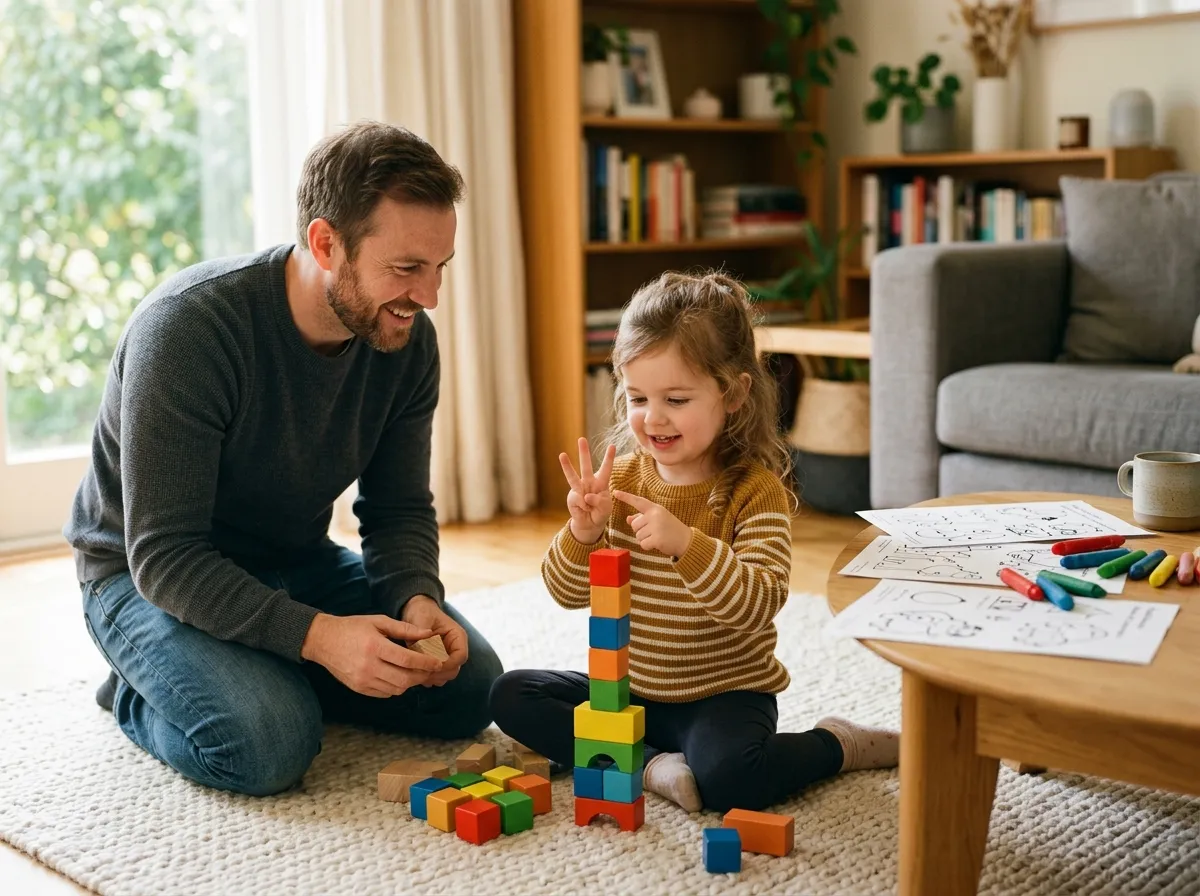
- Math (10–15 minutes). Hands-on first with counters, spoons or snacks, then a short page.
- Handwriting (5 minutes). A few careful letters are better than a full page of messy ones.
- Read-aloud and theme (15–20 minutes). Picture books tied to the week’s science or social studies topic, plus a simple activity.
- Afternoon: free play, outdoor time, art, errands and life.
A simple weekly rhythm
- Monday to Thursday: the core lessons above.
- Friday: review day, a nature walk or library trip, and a fun project. Friday is also a good day to file the week’s best work into the portfolio.
- Once a month: a field trip, a co-op day or a visit somewhere new, such as a farm, museum or fire station.
If you are also teaching a younger child, give the little one a busy book or play dough at the same table while you teach phonics, then read aloud to both together.
How to choose a kindergarten homeschool curriculum
You do not need an expensive boxed program, but you do need a plan. Without one, it is easy to skip around and leave gaps, especially in phonics. Look for these things:
- Phonics in a logical order. Letter sounds, short vowels, then digraphs, blends and silent e. Avoid programs that rely mainly on memorizing whole words.
- Short daily lessons. If a single lesson takes an hour, it was designed for a classroom, not a kitchen table.
- Math with objects first. Children should touch and move things before they fill in worksheets.
- Open-and-go pages. You should be able to glance at a lesson and teach it with no prep.
- A full year mapped out. Most school years run about 36 weeks. Knowing what comes next each week takes the guesswork away.
Our Kindergarten at Home Curriculum was written with that list in mind: about 30 minutes a day, phonics in order from letters through silent e, 70+ sight words, a little decodable story every week, math from counting to 100 to adding and subtracting within 10, and a science or social studies theme each week. It is a printable black-and-white PDF, so you can print one week at a time on US Letter or A4.
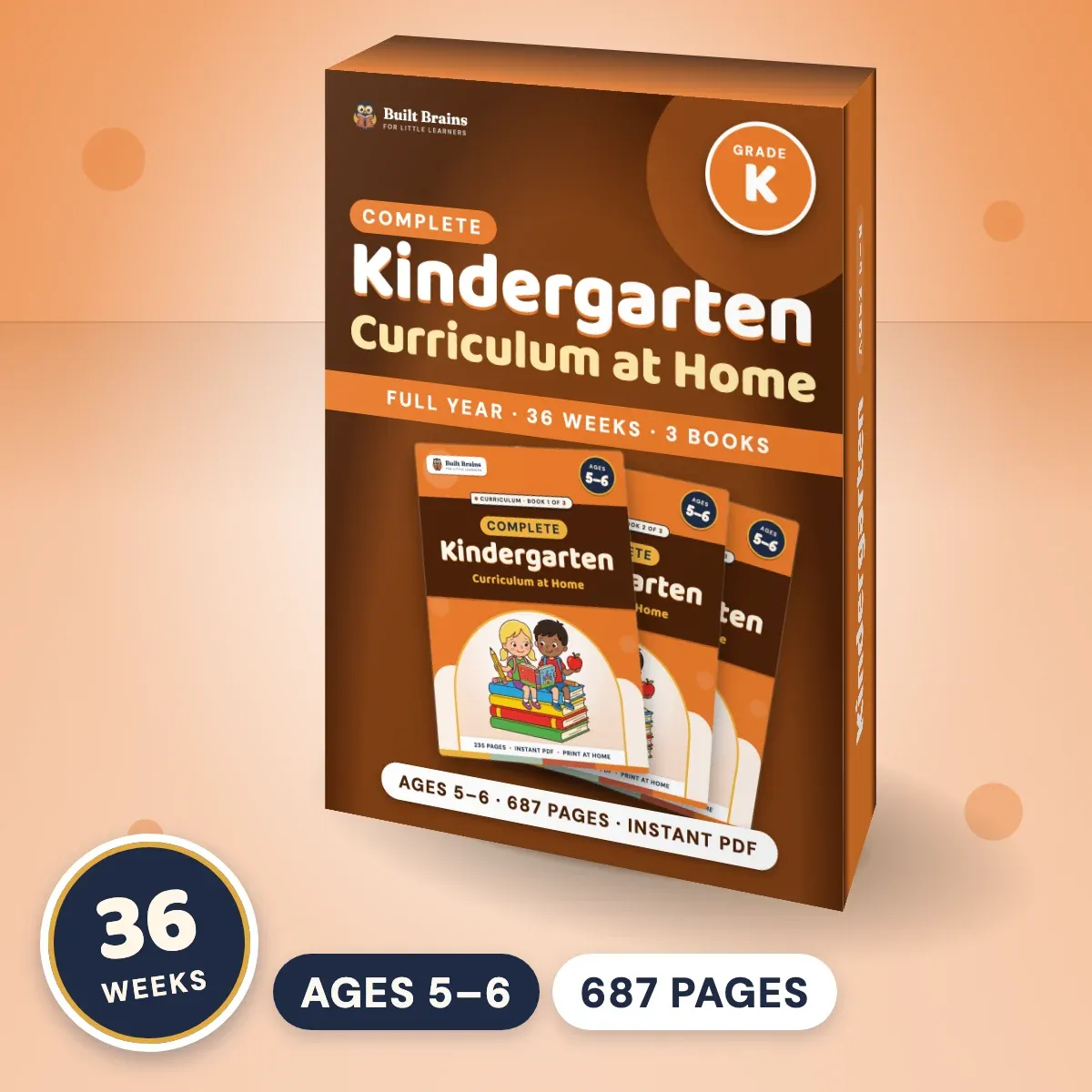 New
NewAges 5–6 · 687 pages
Complete Kindergarten Curriculum at Home36 weeks of phonics, reading, math and more — planned for you
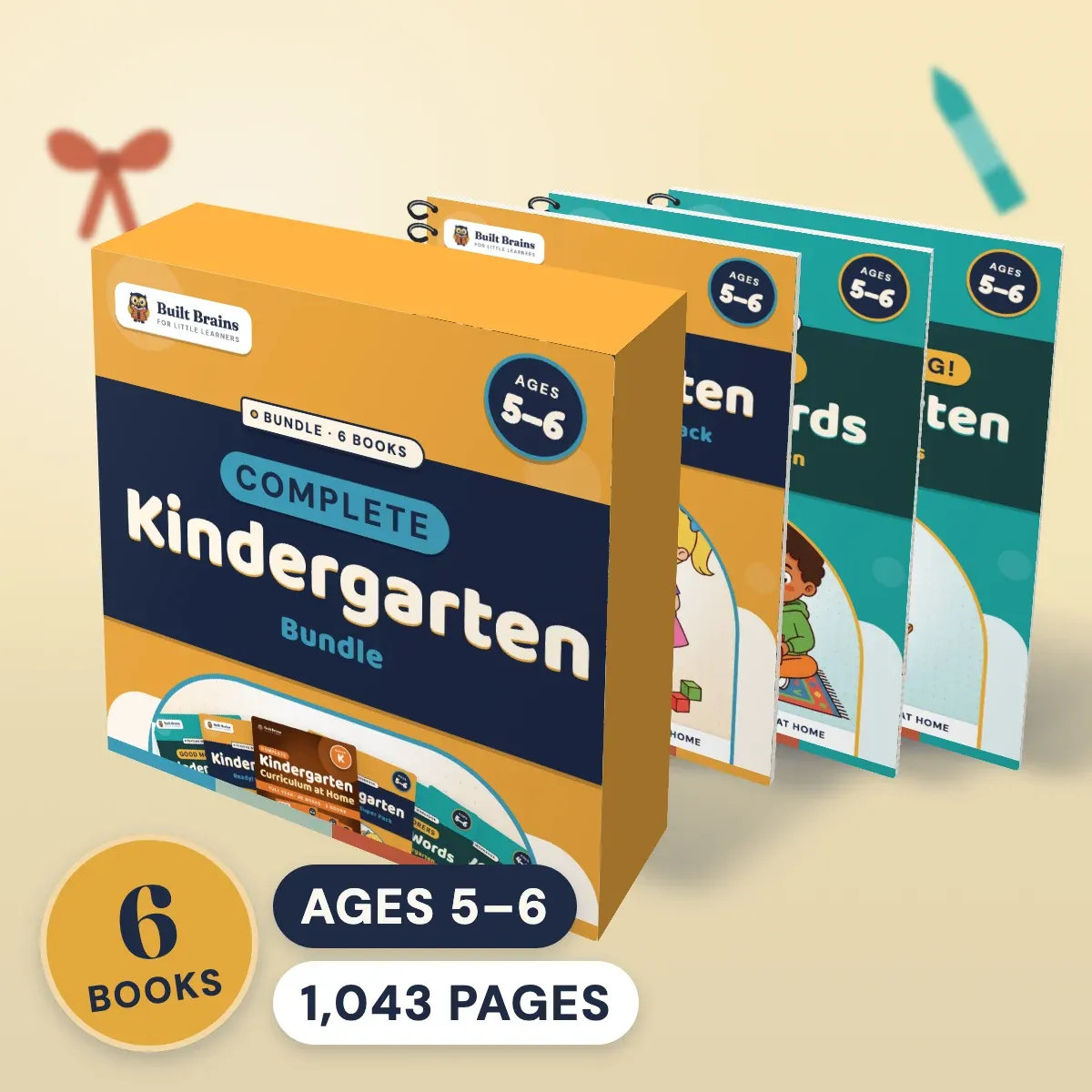 Best valueSave $32
6 books · 1043 pages
The Complete Kindergarten BundleCurriculum, warm-ups, sight words and enrichment
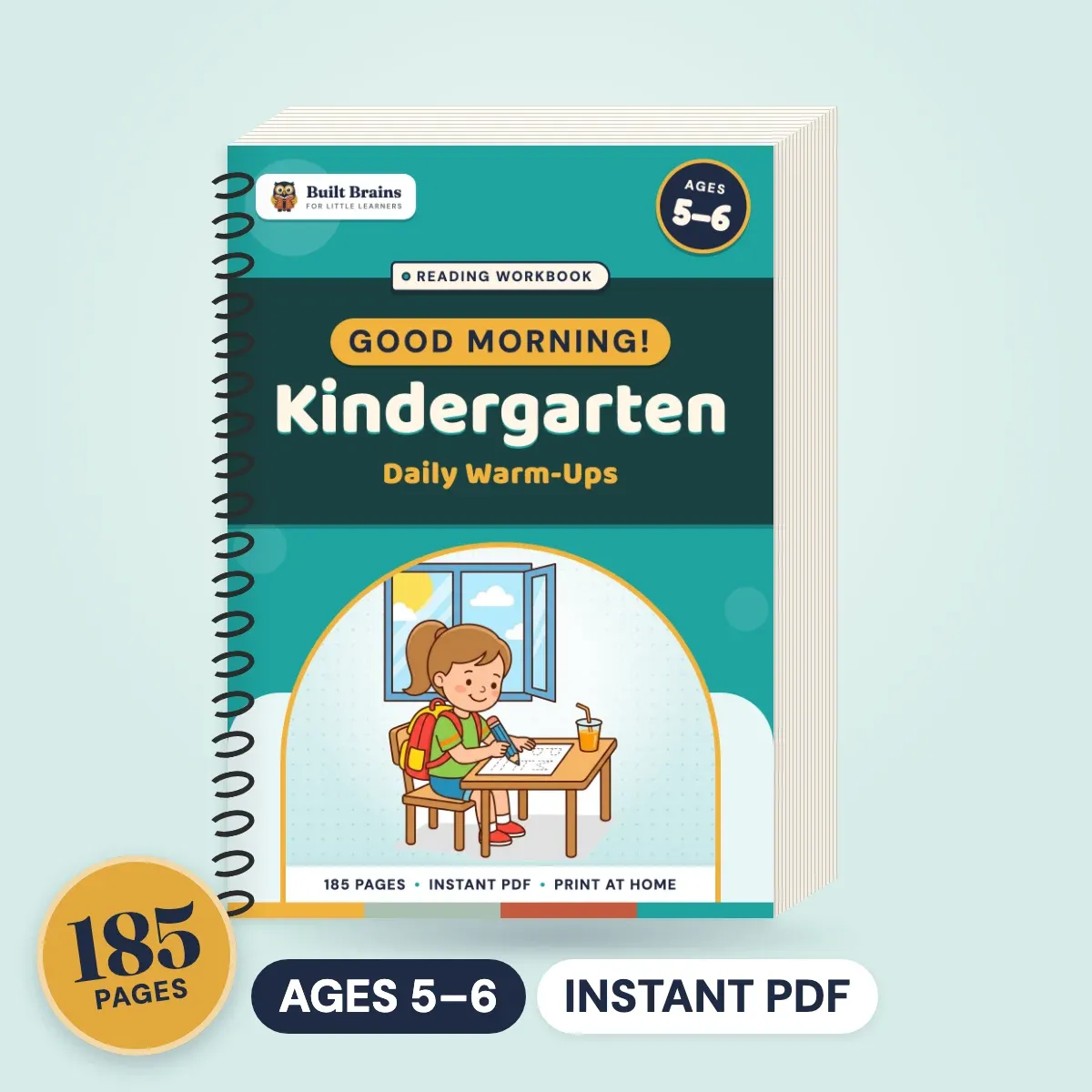
Ages 5–6 · 185 pages
Good Morning! Kindergarten Warm-Ups180 daily pages: phonics, sight words and math
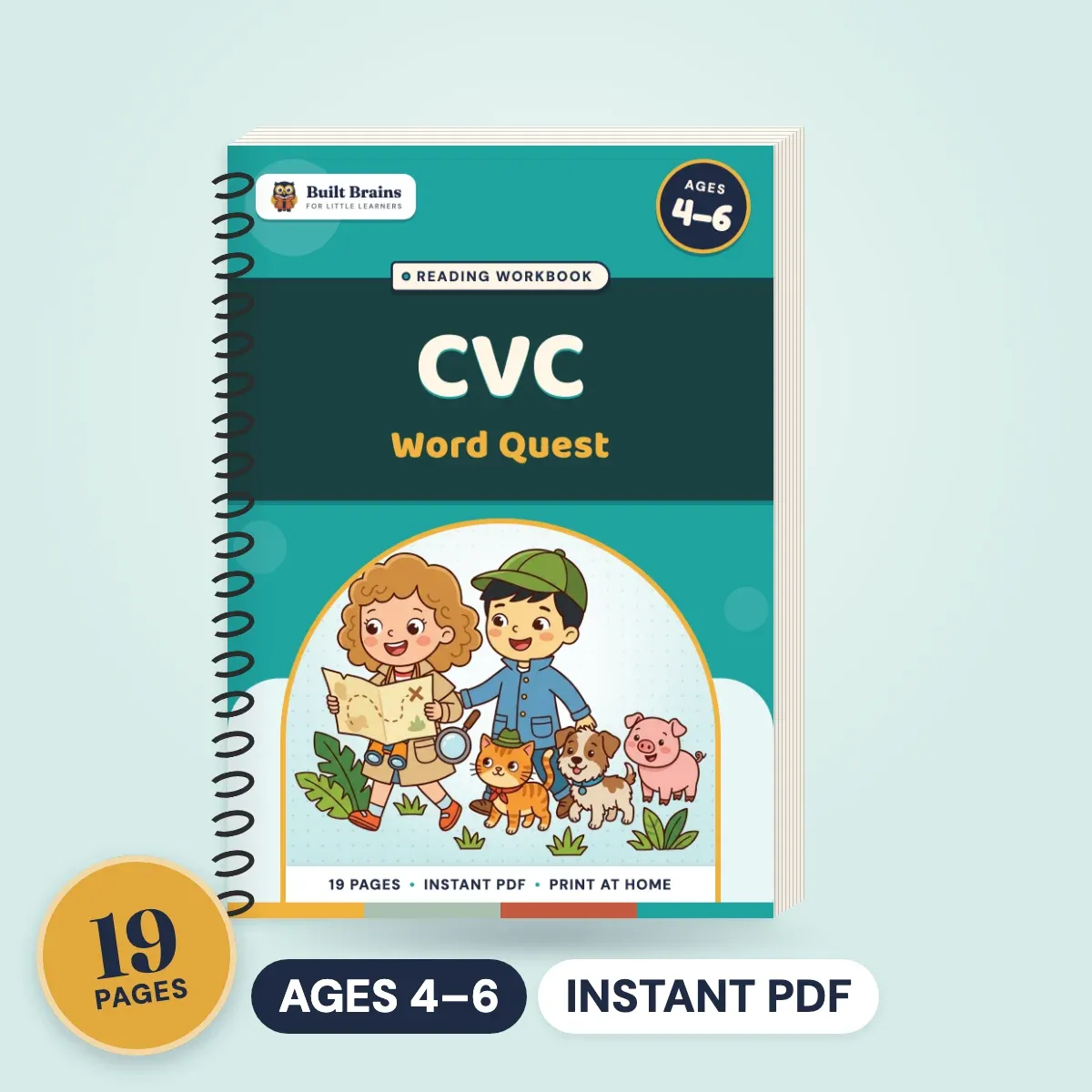
If you want the year plus extras in one place, The Complete Kindergarten Bundle adds the morning warm-ups, the readiness kit, the enrichment super pack, 52 sight words and CVC word practice.
Do you need to register to homeschool kindergarten?
It depends on where you live. Homeschool law varies a lot from state to state in the US. Some states ask for little or no paperwork, others require a notice of intent, specific subjects, attendance records, testing or portfolio reviews.
Compulsory school age also varies. In some states kindergarten is not required at all, while in others a five year old must be enrolled or formally registered as a homeschooler. Before you start:
- Read your state department of education’s homeschool page.
- Check whether you need to file a notice, and by what date.
- Note any required subjects, hours or days, and whether you must keep records or test.
- If you are withdrawing a child from a school, follow the official withdrawal steps so they are not marked truant.
- Outside the US, check your own country’s or region’s rules, which can differ just as much.
A statewide homeschool organization is often the clearest place to get plain-English answers for your state.
Keeping records and a kindergarten portfolio
Even if your state does not require it, a simple record is worth keeping. It reassures you on the hard days, and it helps if you ever enroll your child in school later.
- A lesson log. One line per day in a notebook or calendar: “Phonics: sh. Math: adding within 5. Read about owls.”
- A work sample folder. Keep one or two pieces a month from each subject, dated, so you can see handwriting and reading grow.
- A reading list. Every book you read aloud, and later every book your child reads.
- Photos of projects, nature walks and field trips.
- A short end-of-year summary of what was covered and what your child can now do.
What if my child isn’t ready for kindergarten work?
Some five year olds are ready to read; others still need to build listening, fine motor and attention skills first. Both are normal. One of the best things about homeschooling is that you can meet your child where they are.
- Check the foundations. Can they hold a crayon, cut with scissors, hear rhymes and count objects to 10? Our kindergarten readiness checklist lists the skills to look for.
- Slow the pace, don’t stop. Spend two weeks on a letter sound instead of one. Keep lessons to five minutes.
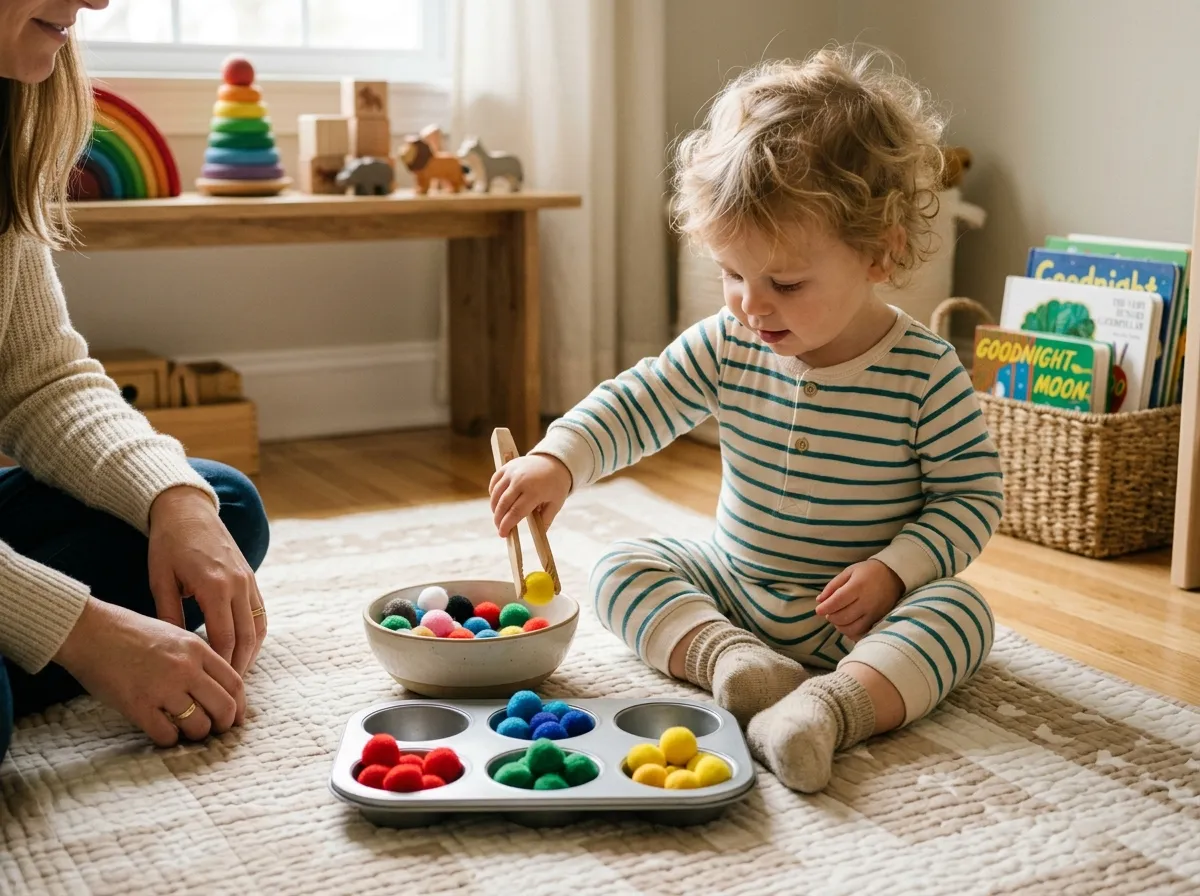
- Build hand strength with play dough, tongs, beads and cutting. Stringing beads and using clothespins count too.
- Go back a step if you need to. Our 36-week preschool curriculum or pre-K materials can fill gaps without pressure.
- Talk to your pediatrician if you notice concerns with hearing, speech or attention that do not improve with time.
Children who start slowly often catch up quickly once the foundations click. A calm, happy year matters more than finishing every page.
Questions parents ask
For most five year olds, about 30 to 60 minutes of focused lessons a day is enough, broken into 10 to 15 minute pieces for phonics, math and handwriting. Add read-alouds, play, outdoor time and hands-on projects around that. Short, consistent lessons usually work far better than long ones.
Yes. Kindergarten skills are simple to teach when you follow a clear, open-and-go plan: letter sounds in order, blending, counting and early addition. You already know your child better than anyone. Choose a curriculum with short scripted or clearly laid-out lessons, and stay consistent rather than perfect.
It depends on your state. Compulsory school age differs across the US, and in some states kindergarten is optional while in others a child must be enrolled or registered by a certain age. Check your state department of education or a statewide homeschool organization for current rules before you begin.
By the end of kindergarten most children can name letters and their sounds, blend and read simple words, recognize common sight words, write a simple sentence using sounds, count to 100, and add and subtract within 10 with objects or pictures. Children develop at different rates, so steady progress matters more than exact timing.
No. Many families use a single printable curriculum plus library books, simple manipulatives like counters and blocks, and everyday life. What you need is a plan that teaches phonics in a sensible order and builds math with hands-on work first. That keeps the year organized without a large expense.