
What does kindergarten readiness actually mean?
Kindergarten readiness is not a test your child passes or fails. It is a rough picture of whether your child can cope with a classroom day: a room of 20 or so children, one adult, a schedule, and short stretches of listening and sitting. Most of what makes that day go well is social, emotional and practical, not academic.
Ask any kindergarten teacher what they wish every child could do on the first day and you will rarely hear “read.” You will hear: open their own lunch, ask for help, take turns, and recover after a hard moment. Academics build quickly once those pieces are in place.
Children also develop at different speeds. A child who turned five last month and one who is nearly six sit in the same class, and it is normal for them to look very different. The checklist is a guide for what to practice, not a list of things your child must tick off.
Self-care skills: can your child do it on their own?
Independence saves your child from waiting for an adult who is helping 19 other people. These are worth practicing all summer.
Checklist: self-care
- Uses the toilet independently, including wiping, flushing and washing hands
- Puts on a coat and gets it zipped or buttoned (a zipper they can start alone helps)
- Puts on shoes (Velcro is fine; laces are not expected)
- Opens their own lunch box, containers, yogurt tubes and snack bags
- Blows nose and throws away the tissue
- Knows their first and last name, and recognizes their written first name
- Tidies up toys or materials when asked
Language and listening skills
Checklist: language and listening
- Speaks in full sentences that most adults can understand
- Follows a two-step direction: “Hang up your coat and sit on the rug”
- Listens to a picture book read aloud and answers a simple question about it
- Retells a short event in order: first, then, last
- Asks and answers “who,” “what” and “where” questions
Reading aloud every day is the simplest way to build all of these. After the story, ask one question, not ten: “What was the bear looking for?” At dinner, ask your child to tell you three things about their day in order. It builds the same listening and speaking skills teachers rely on.
Early reading and math skills for kindergarten
This is where parents tend to worry most, and it matters less than you might think. Kindergarten is where formal reading and math are taught. A little familiarity helps your child feel confident, but a child who knows some letters and can count to 10 is in a good place.
Checklist: early literacy
- Recognizes some letters, especially the ones in their name
- Knows that print carries meaning and that we read left to right
- Hears rhymes (cat and hat) and can say a word that rhymes, at least sometimes
- Notices the first sound in a word: “Ball starts with /b/”
- Enjoys books and will sit with one for a few minutes
If you want to go further, our guide on how to teach letter sounds walks through a gentle order and simple games.
Checklist: early math
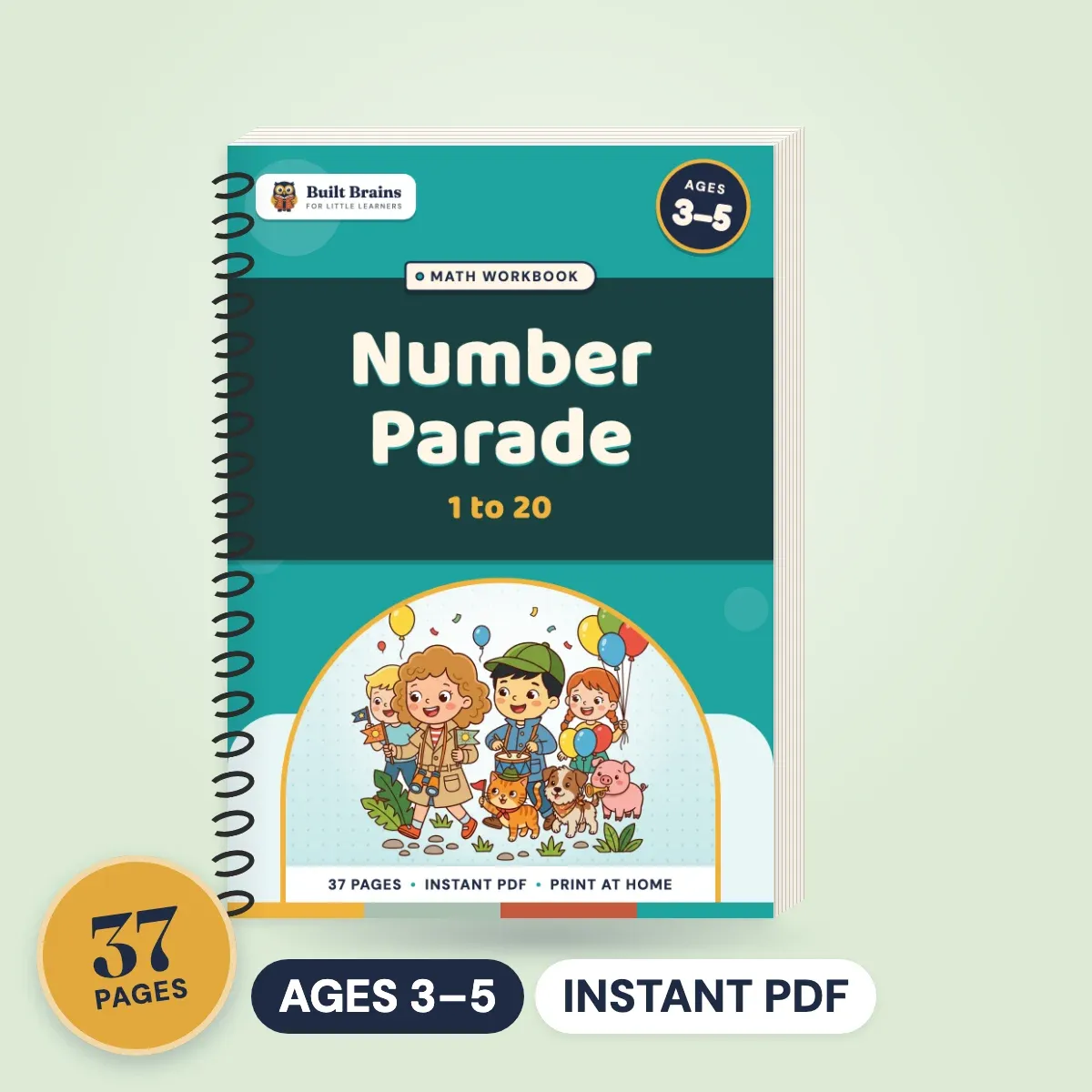
- Counts out loud to 10, and ideally to 20
- Counts a small group of objects, touching each one once
- Recognizes numerals 1 to 10
- Names basic shapes: circle, square, triangle, rectangle
- Sorts objects by color, size or shape
- Understands “more,” “less” and “the same”
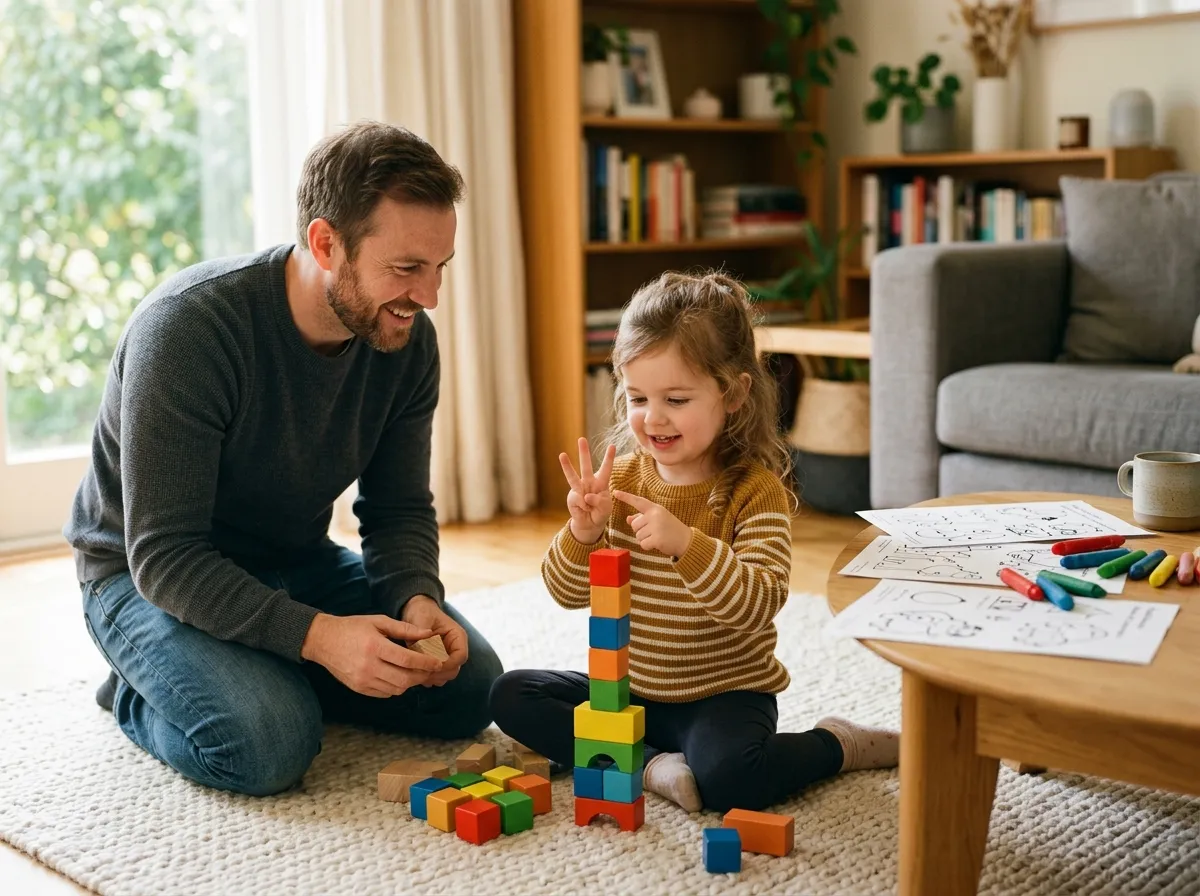
Counting out loud and counting objects are two different skills. Plenty of children can rattle off 1 to 20 but lose track when counting a pile of blocks. Practice with real things: “Can you put five grapes on your plate?”

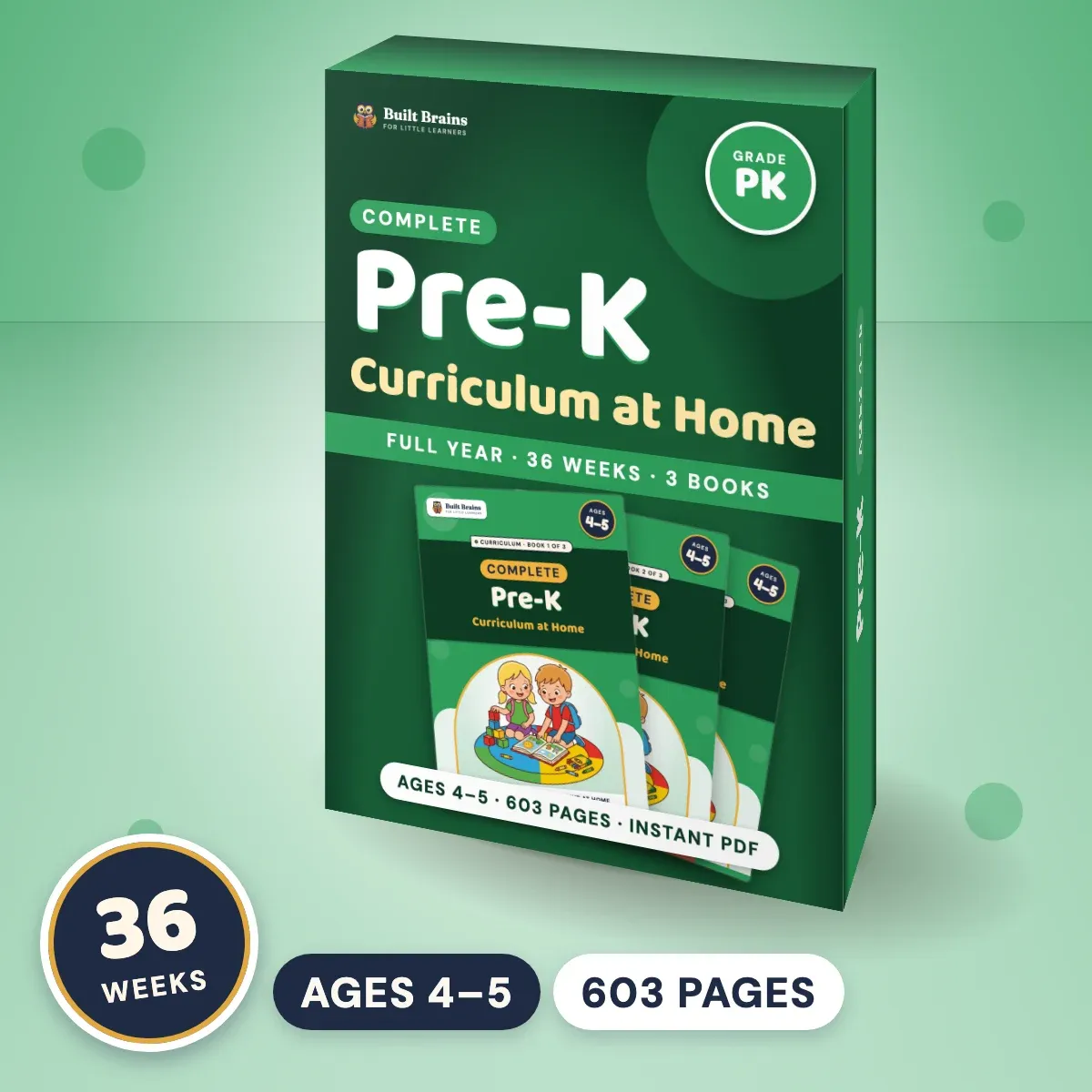 New
NewAges 4–5 · 603 pages
Complete Pre-K Curriculum at Home36 weeks to kindergarten-ready — letters, first reading and numbers to 20
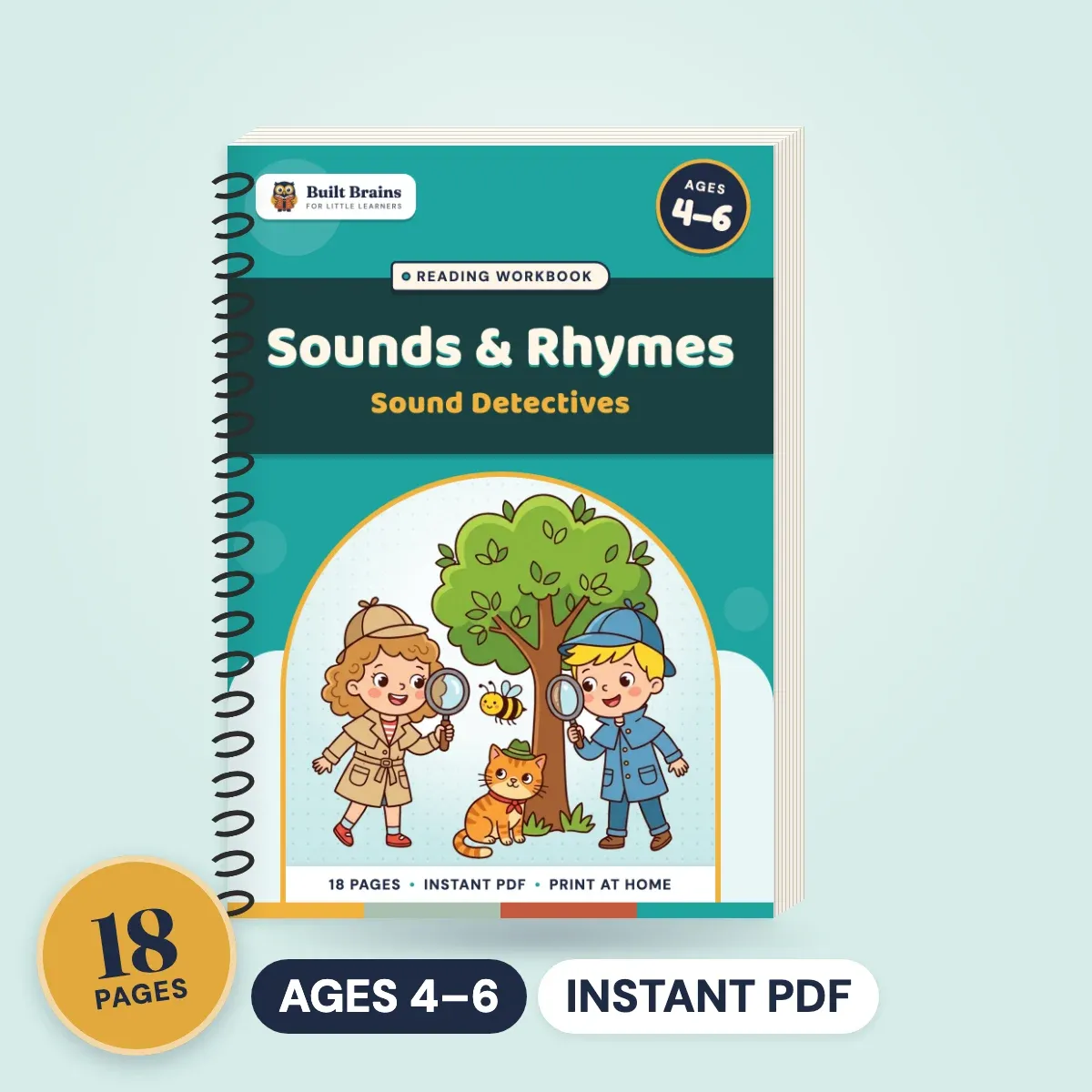
Ages 4–6 · 18 pages
Sound Detectives: Sounds & RhymesHear it, say it, circle it — the step before reading
Fine motor skills: scissors, crayons and pencils
Fine motor skills affect nearly everything in a kindergarten day: coloring, cutting, gluing, opening containers and eventually writing. Hands that are strong and practiced make school feel easier.
Checklist: fine motor
- Holds a crayon or pencil with fingers rather than a whole fist
- Copies a line, a circle and a cross
- Cuts along a straight line with child scissors
- Uses a glue stick and turns pages one at a time
- Attempts to write their first name (backwards letters are normal)
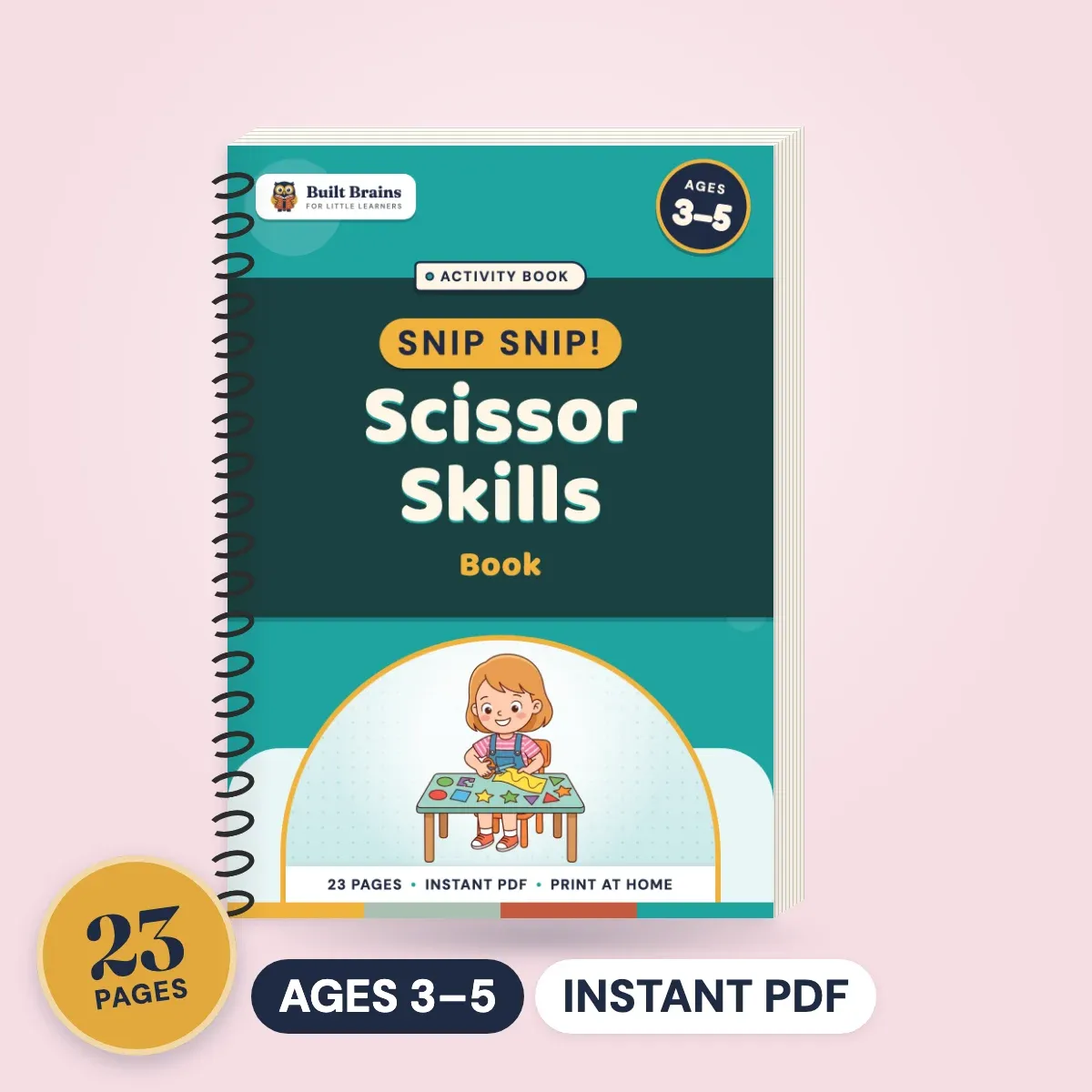
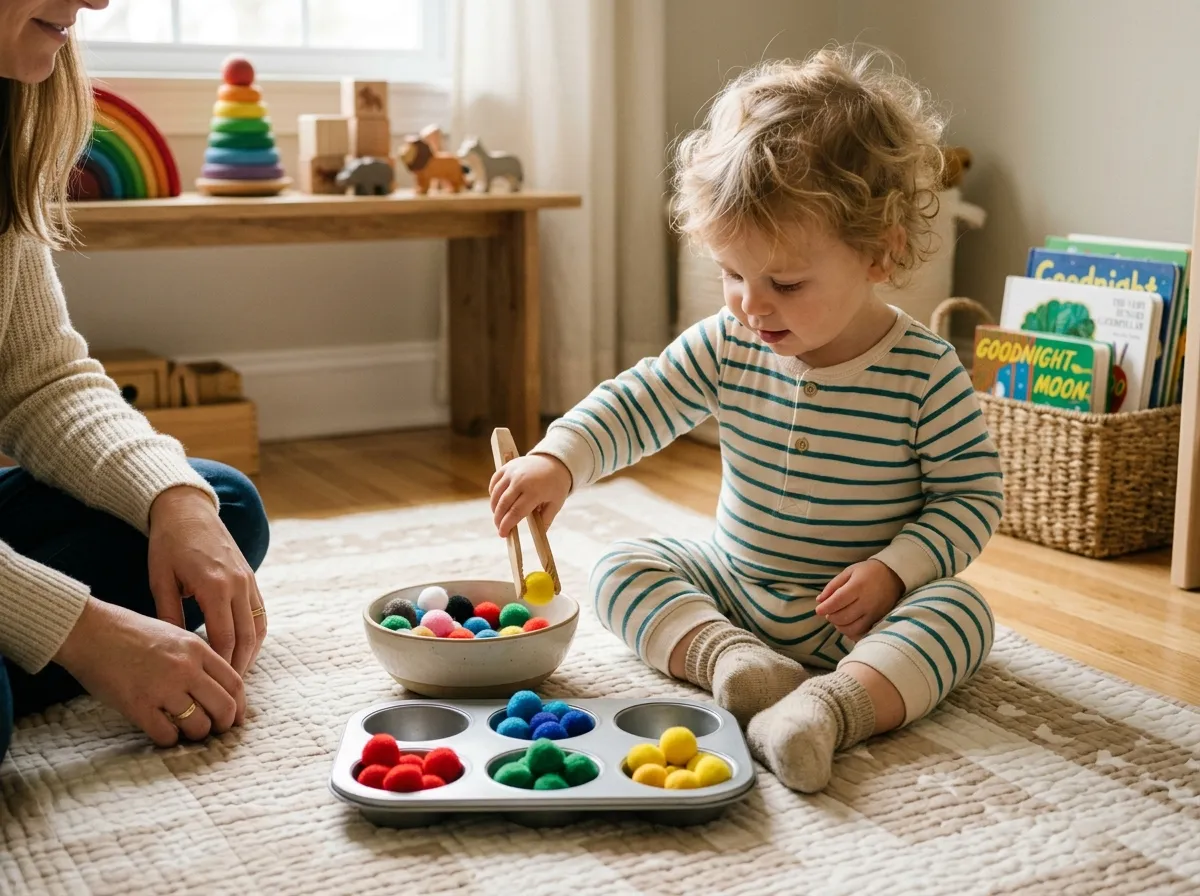
Playdough, tongs, stickers, beads and cutting junk mail all build hand strength. For more ideas, see our fine motor activities for preschoolers. The Snip Snip! Scissor Skills Book goes from first snips to curves and loops if your child needs cutting practice.
What matters most, and what doesn’t
If you only have time for a few things before school starts, put your effort here:
- Bathroom independence. This one causes the most stress for children if it isn’t in place.
- Separating and settling. Practice short, predictable goodbyes.
- Asking for help. A child who can say “I need help” gets help.
- Listening to a story. Sitting for 10 minutes of read-aloud is a big part of the day.
- Holding a crayon and using scissors. These come up almost daily.
What matters much less than parents fear:
- Reading words. Most children learn to read in kindergarten and first grade.
- Writing every letter perfectly, or never reversing letters.
- Counting to 100.
- Tying shoelaces.
- Sitting still for long periods. Kindergarten includes movement for good reason.
Expectations vary between schools and districts, so it is worth asking your school if they share a readiness list or hold a kindergarten orientation.
How to practice kindergarten skills at home in 10–15 minutes a day
Short and regular beats long and occasional. Ten focused minutes most days will do more than an hour on Saturday. Here is a simple routine that covers every area:
- Read aloud (5 minutes). Pick a picture book, then ask one question about it.
- One table activity (5 minutes). A tracing page, a cutting strip, a counting page or a beginning-sounds game. Stop while it’s still fun.
- One self-care job (a few minutes, built into the day). Zipping the coat before the park, opening their own snack, washing hands without a reminder.
Build the rest into everyday life. Count stairs, spot letters on signs, sort laundry by color, and play “I spy something that starts with /m/.”
If you’d like a plan that’s already laid out, the Pre-K at Home Curriculum covers letters and sounds, numbers to 20, shapes and patterns in about 20 minutes a day. For a younger child, the 36-week Preschool at Home program is a gentler starting point. You can browse everything for this stage on the Pre-K books page.
Kindergarten readiness by age: 3, 4 and 5
Age 3
Focus on independence and play: toileting, dressing, playing with other children and hearing lots of books. Scribbling, playdough and tearing paper all count as fine motor practice.
Age 4
Add turn-taking games, letter names (starting with their name), counting objects to 10, simple rhyming and first cutting with child scissors.
Age 5, the year before school
Practice the self-care list for real, including a practice lunch. Work on first sounds of words, counting to 20, writing their first name and following two-step directions. Keep academic practice short and positive.
Questions parents ask
Most teachers care most about independence and social skills: using the bathroom alone, asking for help, taking turns, following simple directions and listening to a story. Academically, knowing some letters, recognizing their written name, counting to 10 and naming basic shapes is plenty. Reading is taught in kindergarten, so it isn’t expected on day one.
No. Kindergarten is where most children start learning to read. What helps is the groundwork: enjoying books, hearing rhymes, knowing some letter names and noticing the first sound in words. If your child is already reading, that’s fine too, but it isn’t a requirement or a sign that other children are behind.
It helps if they can recognize their name and attempt to write it, but perfect writing isn’t expected. Many children write some letters backwards or mix capitals and lowercase at this age. Practice with their first name, starting with a capital letter and the rest lowercase, which is how school will teach it.
Talk to your child’s preschool teacher and pediatrician if your child is struggling with most of the social and self-care list, such as separating, toileting or following simple directions. A few gaps are normal, especially for younger children. Many schools also hold screenings or orientations where you can ask about your child specifically.
Read aloud daily, practice self-care jobs like zipping coats and opening lunch containers, play turn-taking games, and do 5 to 10 minutes of a table activity such as tracing, cutting or counting. Keep it short, positive and regular. Talking warmly about school and visiting the building beforehand also helps nervous children.


Social and emotional skills for kindergarten
These are the skills teachers mention first, and the ones that make the biggest difference to how a child feels about school.
Checklist: social and emotional
At home, board games are one of the best practice tools. A short game of Candy Land or a matching game gives your child real practice losing, waiting and trying again. When they get upset, name it for them: “You really wanted to win. That’s disappointing. Let’s take a big breath and play one more.”
If separation is hard, practice short goodbyes now: a drop-off at a grandparent’s or a class, with the same quick routine every time. “Hug, kiss, see you after snack.” Then leave. Lingering usually makes it harder.