The best spring activities for preschoolers (quick answer)
Spring hands preschoolers a science lab for free: seeds, bugs, rain, mud and birds building nests. The activities that work best at 3, 4 and 5 start outside and come back indoors to be sorted, counted, painted and talked about. If you only have time for a handful this season:
- Plant a bean in a clear cup and watch the roots (planting).
- A signs-of-spring walk with a collecting bag (outdoors).
- A rain gauge on the step (weather).
- Cotton-swab blossom painting (art).
- Count flower petals and graph them (math).
- A butterfly life cycle read-aloud with pictures to sequence (literacy and science).
Spring officially begins at the March equinox, around March 20 in the Northern Hemisphere, when day and night are nearly equal and the days keep getting longer (NASA Space Place). Even 3-year-olds can notice that one: it is still light at dinner.
Outdoors: nature walks and spring hunts
Pediatricians describe unstructured outdoor play as essential rather than optional for this age (healthychildren.org), and spring makes it easy.
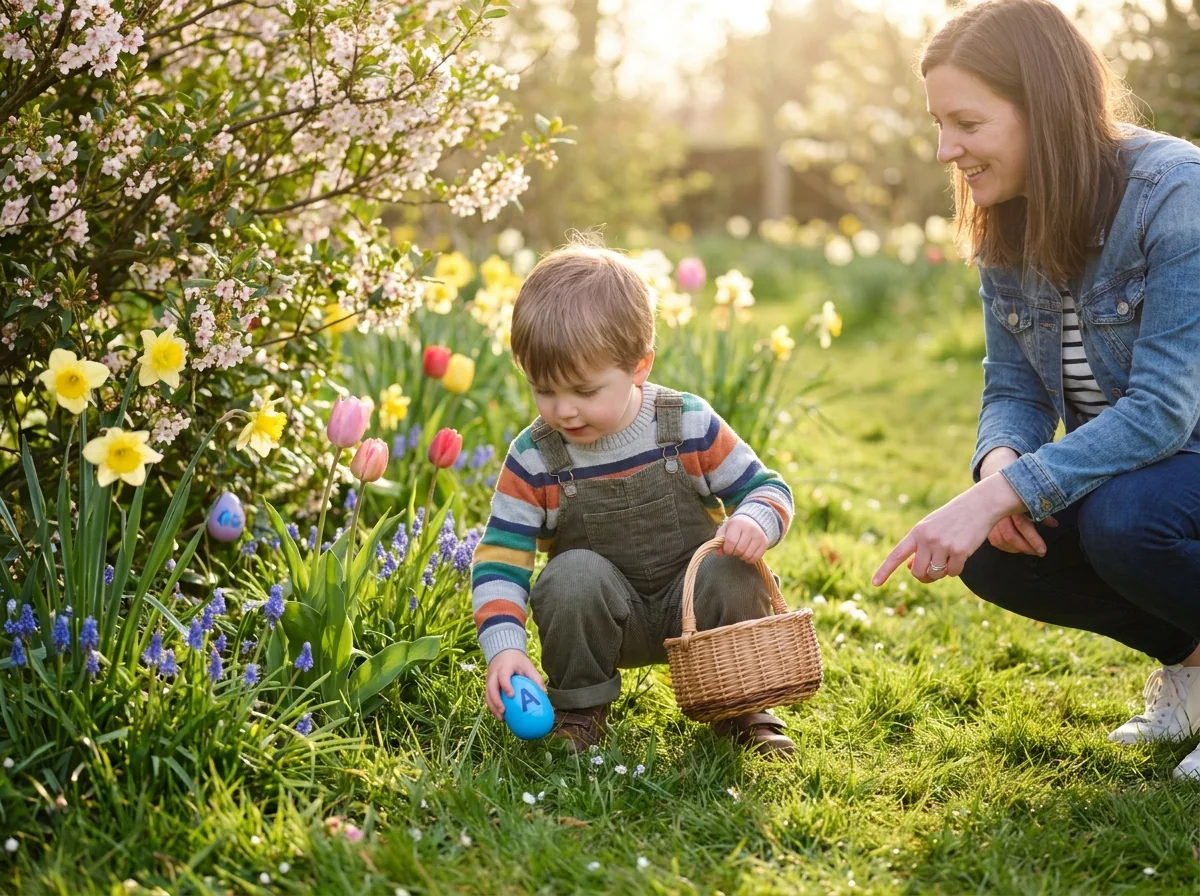
- Signs-of-spring walk. Look for buds, a bird carrying nesting material, a worm, a puddle, a flower, a bee. Tick them off on a picture list. Builds: observation, vocabulary.
- Bud watch. Pick one tree and visit it every few days, photographing it each time. Builds: noticing change over time.
- Puddle jumping and measuring. Jump, then chalk the puddle's outline and check it after lunch. Builds: gross motor, evaporation.
- Worm hunt after rain. Lift a stone or a log, look, and put everything back. Builds: gentle handling, respect for living things.
- Nest materials. Leave out short bits of yarn, grass and twigs and watch what disappears. Builds: patience, prediction.
- Dandelion everything. Count the petals, blow the seeds, paint with the head. Builds: counting, cause and effect.
- Listen for spring. Sit still for two minutes and name every sound: birds, wind, a lawnmower. Builds: the listening skills that come before reading.
- Mud kitchen. Pots, spoons, water and dirt. "Make me a soup with three leaves in it." Builds: measuring, counting, sensory play.
- Shadow tracing. Chalk around your child's shadow at 9 am and again at 3 pm. Builds: sun and time, comparing.
Planting and life cycles
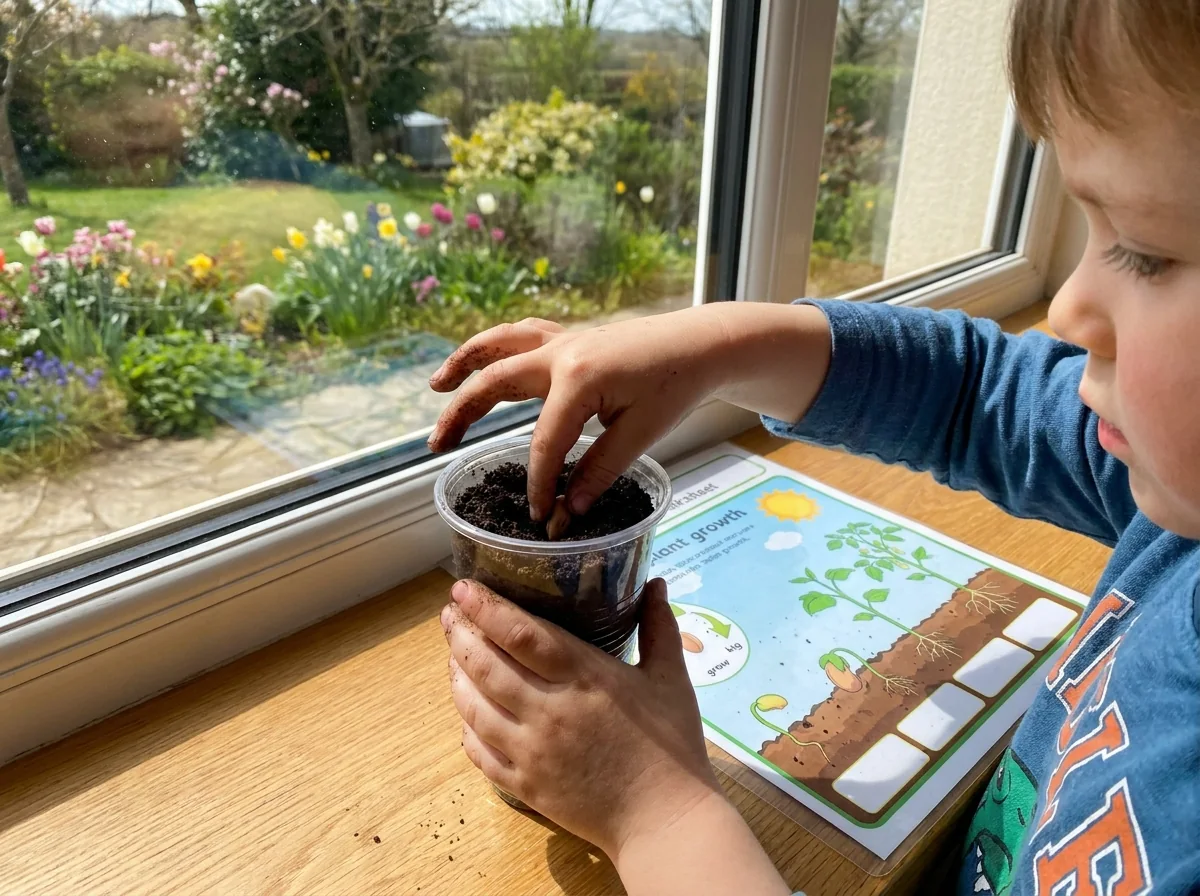
- Bean in a bag. A wet paper towel, a bean and a zip bag taped to a sunny window. Roots show within days. Builds: plant parts, observation.
- Grass head. Fill a cup with soil, sprinkle grass seed, draw a face, and give it a haircut when it grows. Builds: care routines, scissor skills.
- Seed sort. Beans, sunflower, pumpkin and pea seeds sorted by size and color (ages 3+, supervised). Builds: classifying.
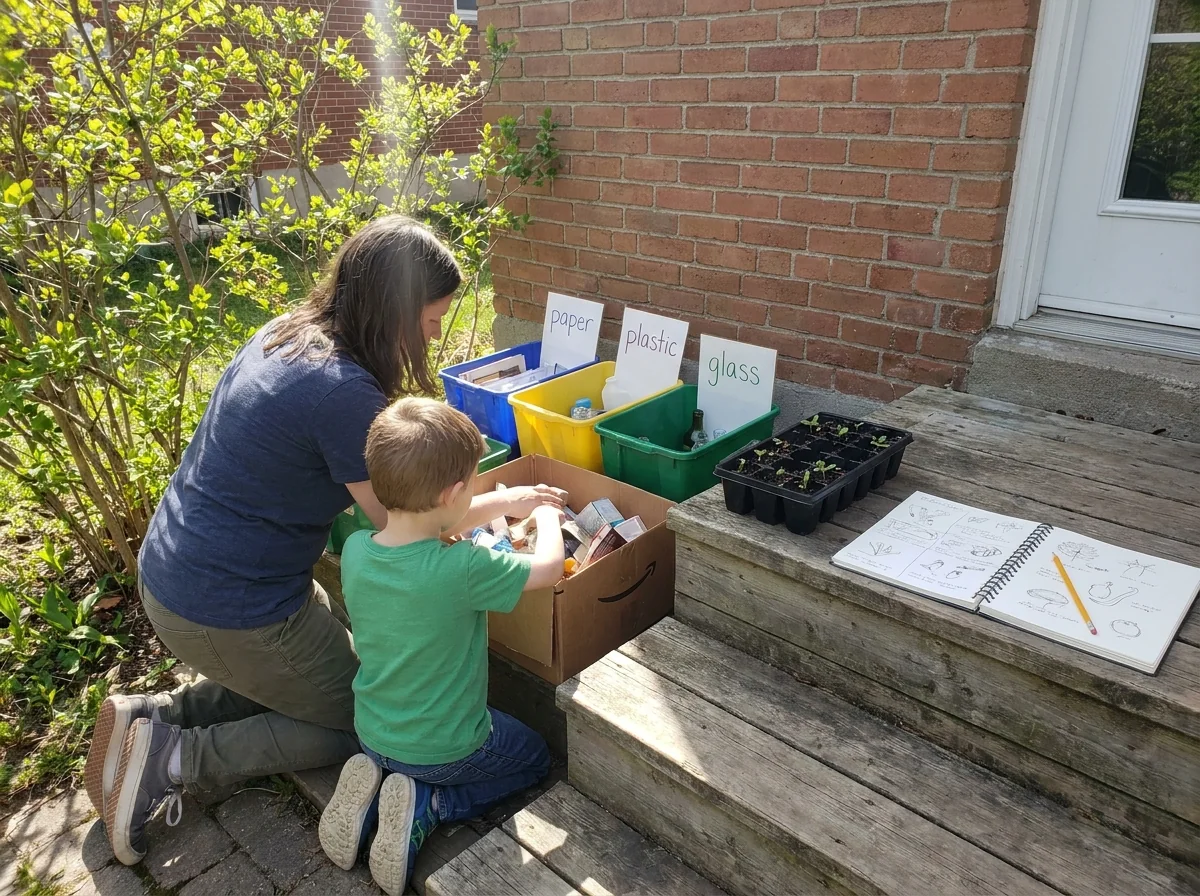
- Sprout journal. Draw the bean every two days and dictate one sentence. Builds: recording, sequencing.
- Plant a real pot. Radishes and lettuce are fast and forgiving; your child waters on a schedule. Builds: responsibility, counting days.
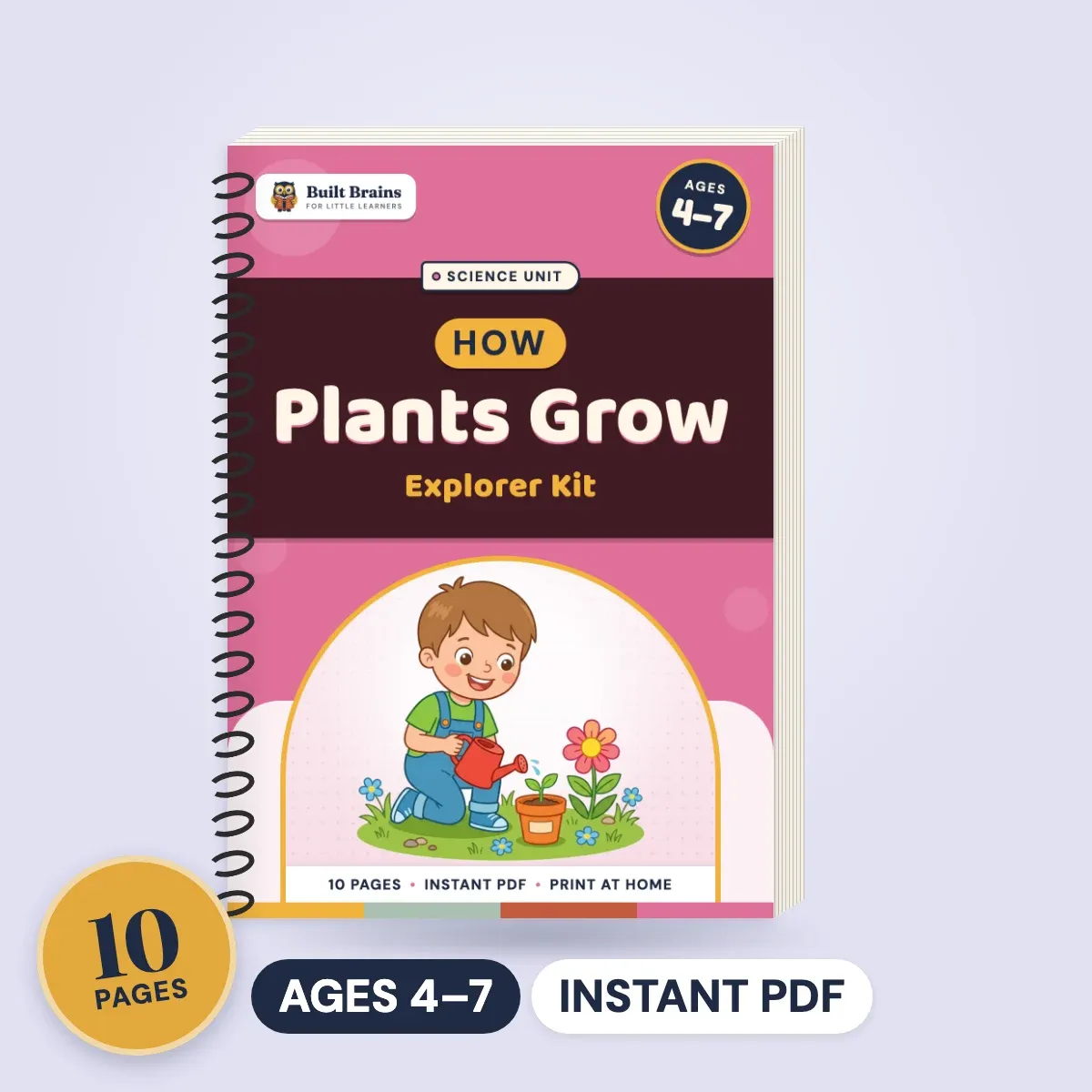
- Seed, sprout, seedling, flower. Put four pictures in order and name each stage. The How Plants Grow Explorer Kit has read-aloud facts, a life-cycle wheel, cut-and-paste sequencing and word tracing for ages 4–7. Builds: sequencing, science vocabulary.
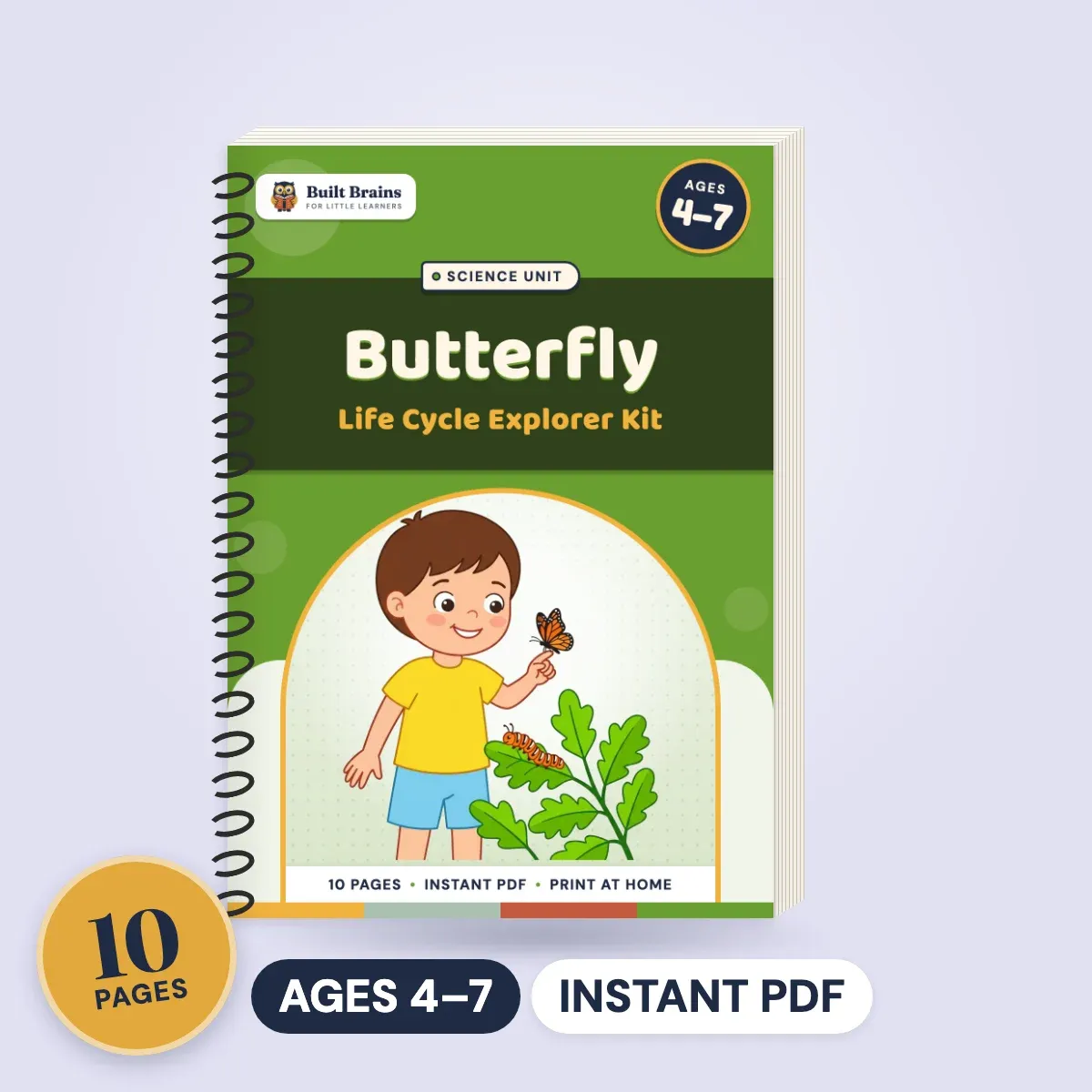
- Caterpillar watch. Raise painted lady caterpillars from a kit, or check leaves on walks, and talk through egg, caterpillar, chrysalis, butterfly with the Butterfly Life Cycle Explorer Kit. Builds: life cycles, patience.
- Flower dissection. Gently pull a tulip apart and lay out petals, stem and leaves. Count the petals. Builds: plant parts, counting.
NAEYC's tips for supporting science learning boil down to three habits: follow your child's questions, let them handle real materials, and ask "what do you notice?" more often than you explain.
Spring weather science
- Rain gauge. A clear jar with a ruler taped to the side. Check it after every rain and mark the level. Builds: measuring, comparing.
- Cloud in a jar. Hot water in a jar, a plate of ice on top, a quick spray of hairspray; watch the cloud form. Adult-led. Builds: observation.
- Windsock. A paper cup with streamers, hung outside. Which way is the wind blowing today? Builds: direction words.
- Shrinking puddle. Chalk around a puddle in the morning and again every hour. Builds: evaporation, time.
- Daily weather chart. Pictures for sunny, cloudy, rainy and windy; your child posts one each morning. At month's end, count each. Builds: data, routine.
- Hose rainbow. Stand with the sun behind you and spray a fine mist. Builds: light and color, wonder.
- Dress the bear. A teddy and a pile of clothes: "It's raining and cold. What does Bear need?" Builds: weather and clothing vocabulary.
- Puddle sink or float. A leaf, a pebble, a twig, a petal. Predict, test, sort. Builds: prediction.
Spring art and fine motor
Process over product: big paper, washable paint, an old shirt. Every item here also builds the hand strength that later holds a pencil.
- Cotton-swab blossoms. Draw a brown branch; your child dabs pink and white blossoms with a cotton swab. Builds: pincer grip.
- Tulip handprints. Paint the palm and fingers held together, print, add a stem. Builds: following steps.
- Egg-carton flowers. Cut cups from an egg carton, paint them, push a pipe cleaner through for a stem. Builds: painting small areas, threading.
- Tissue-paper butterflies. Scrunch tissue into a clothespin body and add pipe-cleaner antennae. Builds: scrunching, great for hand muscles.
- Mud painting. Mud, big brushes and the sidewalk. Builds: large arm movements, sensory tolerance.
- Nature paintbrushes. Bundle grass, twigs or a pine sprig onto a stick with a rubber band and paint with it. Builds: comparing marks, texture words.
- Flower pounding. Fold petals inside cloth or paper and tap with a toy mallet to transfer the color. Builds: hand-eye coordination.
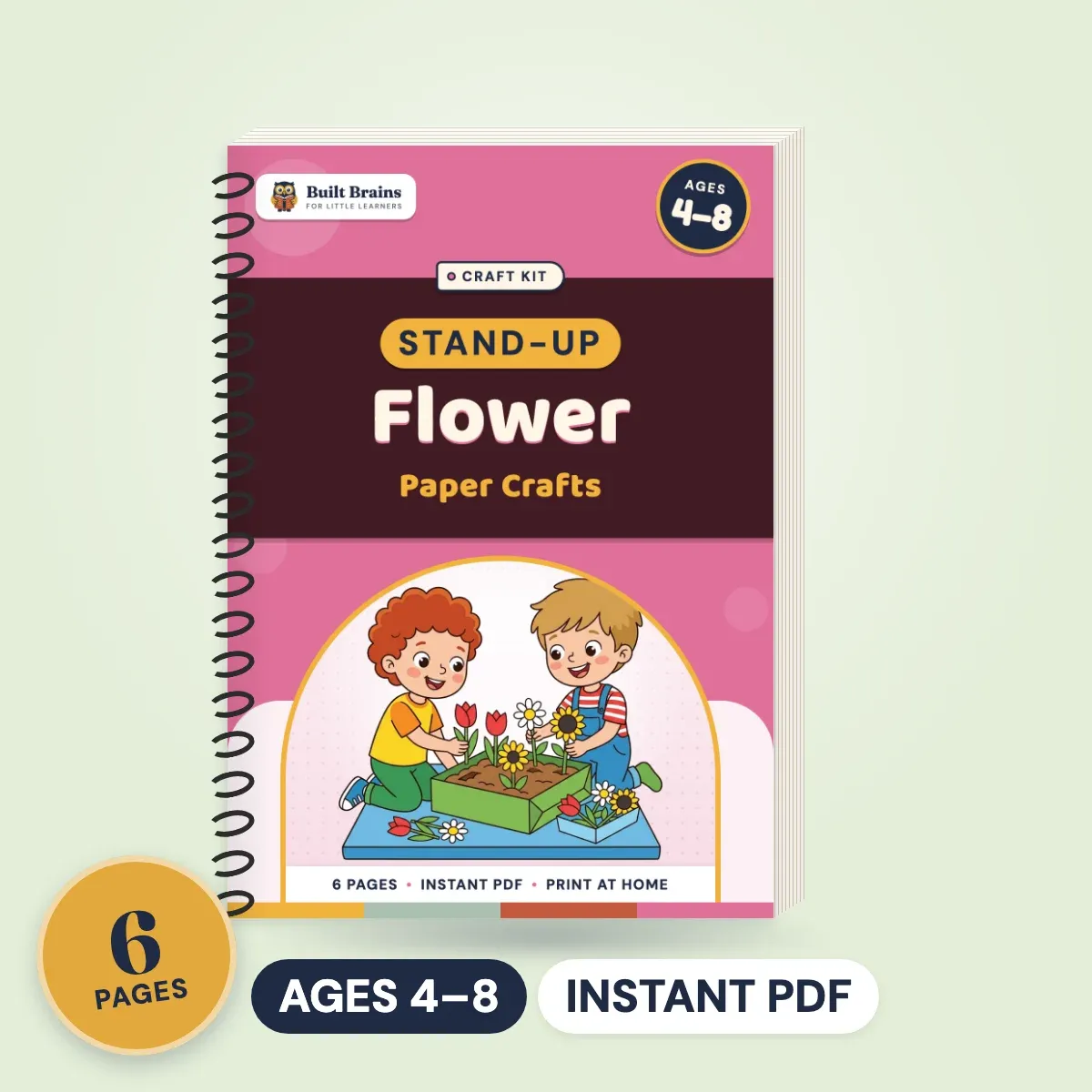
- Stand-up paper garden. Color, cut and fold paper tulips, daisies and sunflowers to stand on a windowsill. The Stand-Up Flower Paper Crafts have the templates; the cutting suits ages 4 and up. Builds: scissor skills, folding.
Spring math and literacy
- Petal counting. Count the petals on five different flowers and line them up from fewest to most. Builds: counting, ordering.
- Seed graph. Sort a mixed packet of seeds (or dried beans) into columns on a paper graph. Which has most? Builds: graphing, comparing.
- Bug symmetry. Fold paper, paint half a butterfly, press. Count the spots on each wing. Builds: symmetry, matching.
- Measure the sprout. Measure the bean sprout with a paper strip every few days and tape the strips in a row. Builds: non-standard measuring, growth over time.
- Petal patterns. Petal, leaf, petal, leaf along a line of glue. Builds: AB patterns.
- Spring word cards. Seed, bud, rain, bee, nest, egg: say the first sound, find the letter. Builds: letter sounds, vocabulary.
- Rhyming bugs. Bee, see, tree, knee; bug, hug, rug, mug. Clap each one. Builds: rhyme awareness. More in rhyming activities for preschoolers.
- I spy letters outdoors. "I spy something that starts with /b/" on a walk (bud, bird, bike). Builds: beginning sounds.
- Nature journal dictation. Your child draws what they found; you write their sentence underneath, word for word. Builds: the link between speech and print.
- Spring songs and fingerplays. "Itsy Bitsy Spider," "Five Little Ducks" (count down on fingers), "Here Is the Beehive." Builds: counting backward, rhythm.
- Act out a life cycle. Curl up as an egg, wriggle as a caterpillar, hang still as a chrysalis, fly as a butterfly. Builds: sequencing with the body, vocabulary.
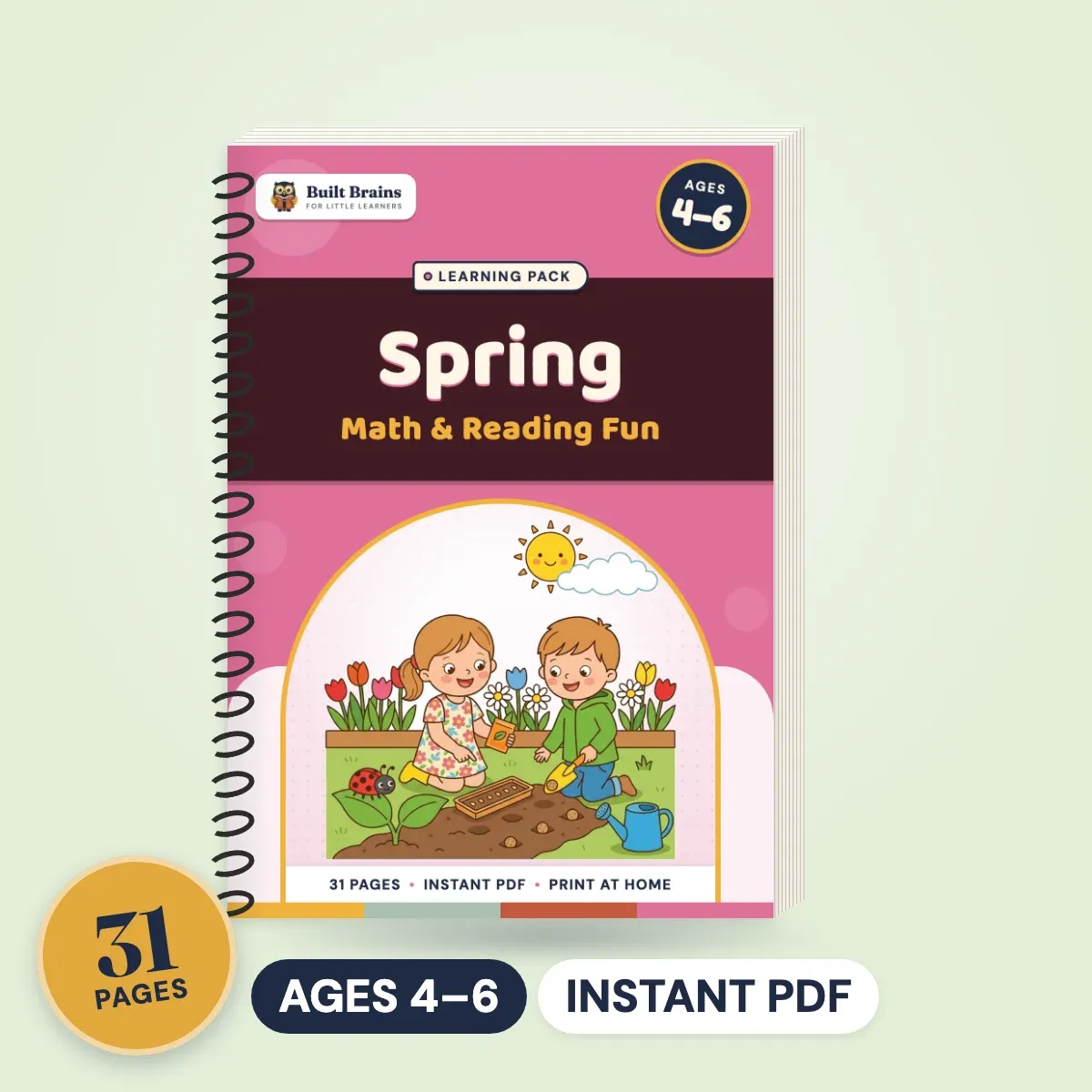
For 4- to 6-year-olds who like paper practice, Spring Math & Reading Fun counts flowers to 20, adds and takes away, and traces and reads spring words, with word searches, patterns and mazes.
A 4-week spring theme outline
One theme a week keeps the words and ideas repeating, which is how preschoolers learn best. Pick one activity from each column; you do not need all of them.
| Week | Theme | Outdoors | Science | Art | Math and reading |
|---|---|---|---|---|---|
| 1 | Seeds and plants | Signs-of-spring walk (#1) | Bean in a bag (#10) | Cotton-swab blossoms (#26) | Petal counting (#34), seed graph (#35) |
| 2 | Bugs and butterflies | Worm hunt (#4) | Caterpillar watch (#16) | Tissue-paper butterflies (#29) | Bug symmetry (#36), rhyming bugs (#40) |
| 3 | Weather | Puddle measuring (#3) | Rain gauge (#18), windsock (#20) | Mud painting (#30) | Weather chart count (#22), word cards (#39) |
| 4 | Baby animals and nests | Nest materials (#5) | Bird-watch log | Egg-carton chicks (adapt #28) | "Five Little Ducks" (#43), nature journal (#42) |
For week 4, add a library basket about ducklings, lambs, chicks and nests, and a read-aloud about how an egg hatches. For how a theme week fits around meals, naps and outdoor time, see the preschool at home schedule; for more themes by month, see toddler curriculum themes.
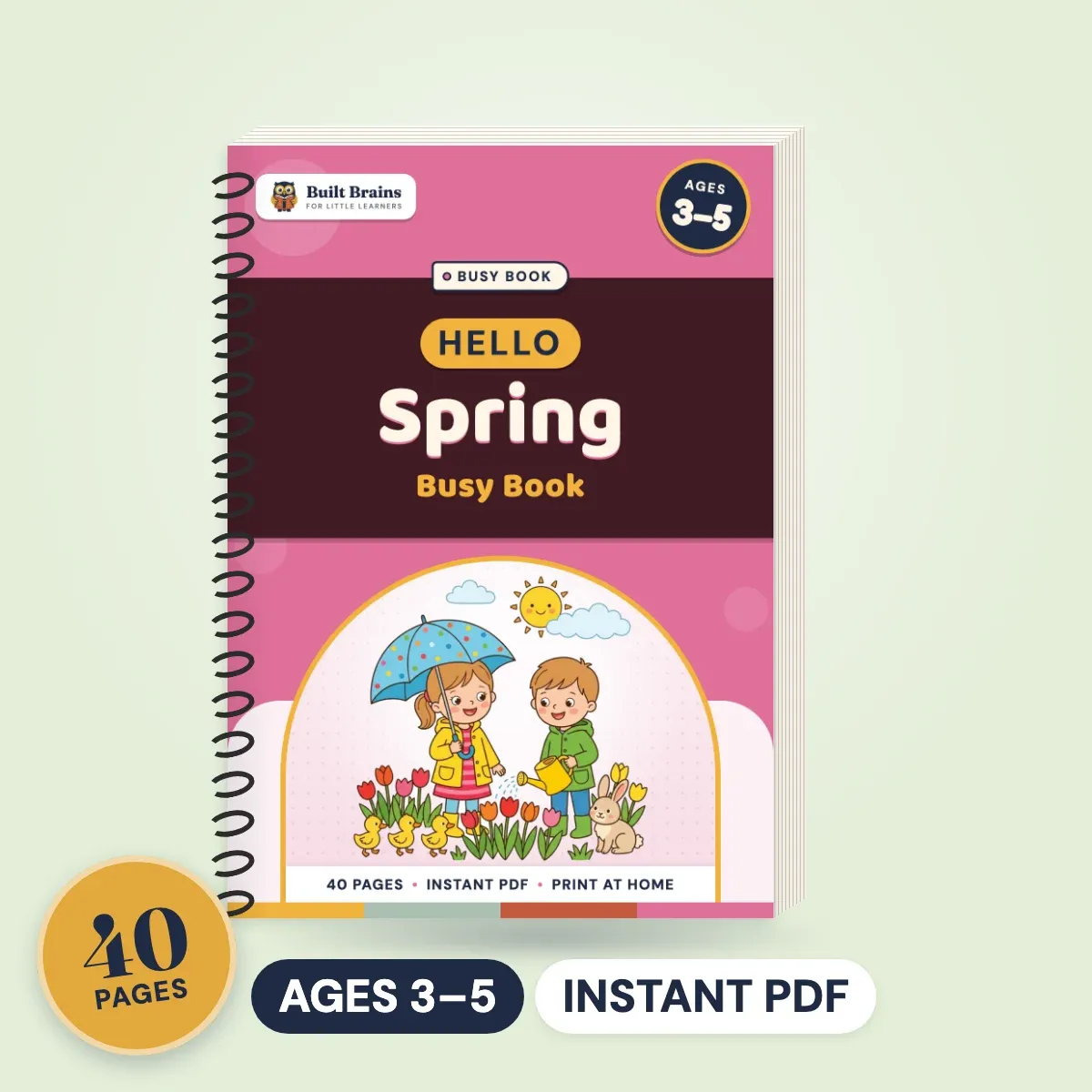
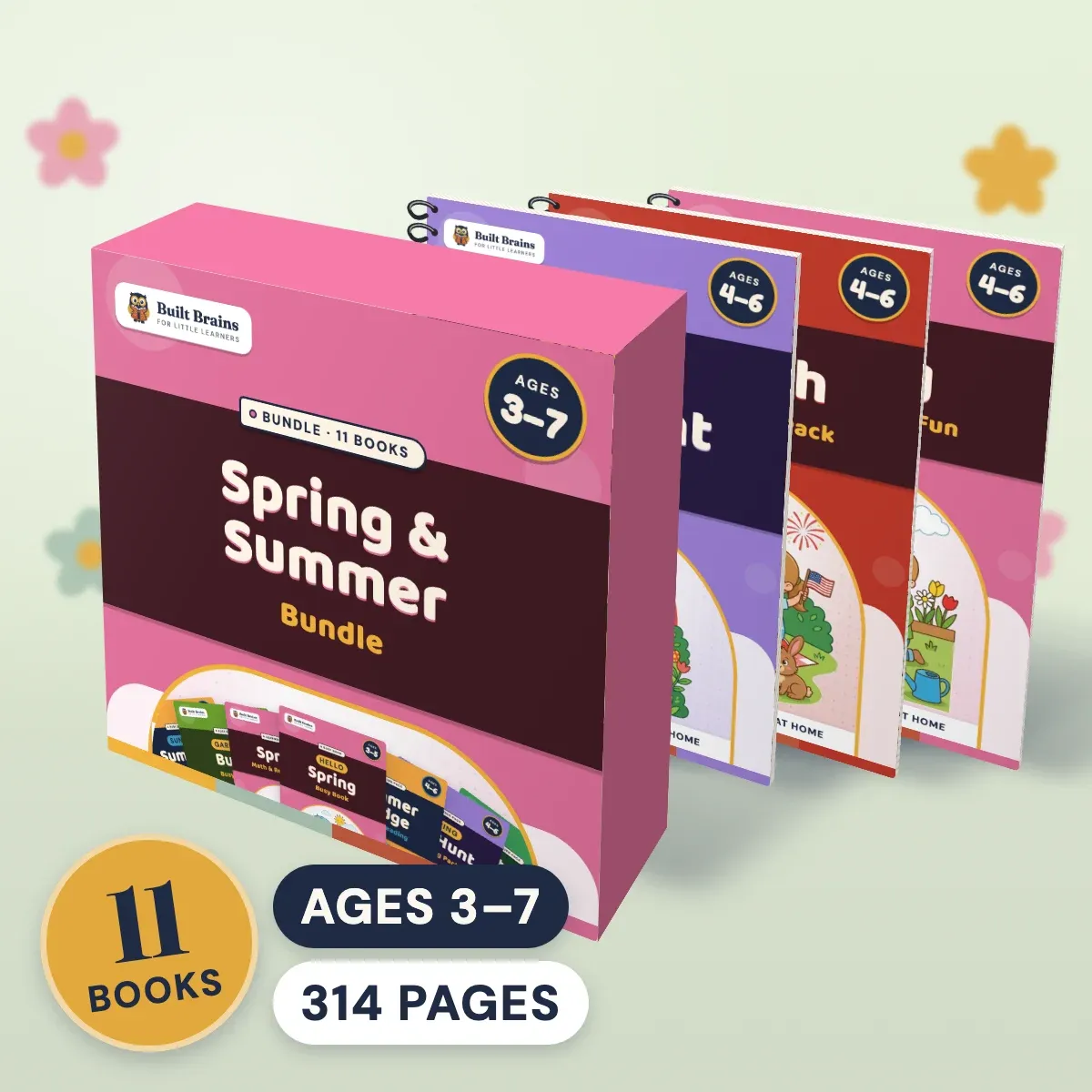
Printables that follow the theme: the Hello Spring Busy Book has bunnies, ducklings, tulips and puddles to color, trace, count and match for ages 3–5, and The Spring & Summer Bundle collects the spring, summer and bug busy books, four holiday packs, two math and literacy packs and two life cycles for ages 3–7. Keep the busy book for rainy afternoons; on dry days, go outside.
Sources
- NASA Space Place – What Causes the Seasons? — the March equinox and why days lengthen in spring.
- NAEYC – Support Science Learning — simple ways families can support early science at home.
- healthychildren.org – The Power of Play — why unstructured, outdoor and sensory play matters for preschoolers.
Questions parents ask
Plant a bean in a clear cup, go on a signs-of-spring walk, make a rain gauge, paint with dandelions, count flower petals and read a picture book about a butterfly's life cycle. Spring is the easiest season for real science, so aim for one outdoor activity a day and let the indoor crafts follow what you saw.
Run four mini-themes, one per week: seeds and plants, bugs and butterflies, weather (rain, wind, rainbows), then baby animals and nests. Each week gets a walk, a science activity, an art project, a math game and a read-aloud on the same topic, so vocabulary repeats all week without feeling like drill.
Sprout a bean in a bag taped to a window, grow grass on a cup "head," set out a rain gauge, make a cloud in a jar, watch a puddle shrink over a sunny day, look for worms after rain and watch caterpillars. Ask "what do you think will happen?" before each one and check back together.
Cotton-swab blossom painting on a brown branch, tulip handprints, egg-carton flowers, tissue-paper butterflies, mud painting on the sidewalk, flower pounding on fabric with a toy mallet and paintbrushes made from grass and twigs. Choose process over product: big paper, washable paint and an old shirt.
In the Northern Hemisphere, astronomical spring begins at the March equinox, around March 19 to 21, and runs to the June solstice. Many weather services use March 1 as the first day of meteorological spring. For preschoolers, "when the days get longer and warmer and things start to grow" is the working definition.
Reviewed by
Forest School Leader & Early Years Educator
Lucy Graham is a certified Forest School Leader who uses the natural world as a classroom to build resilience, motor skills, and environmental awareness in early learners.
More about Lucy →