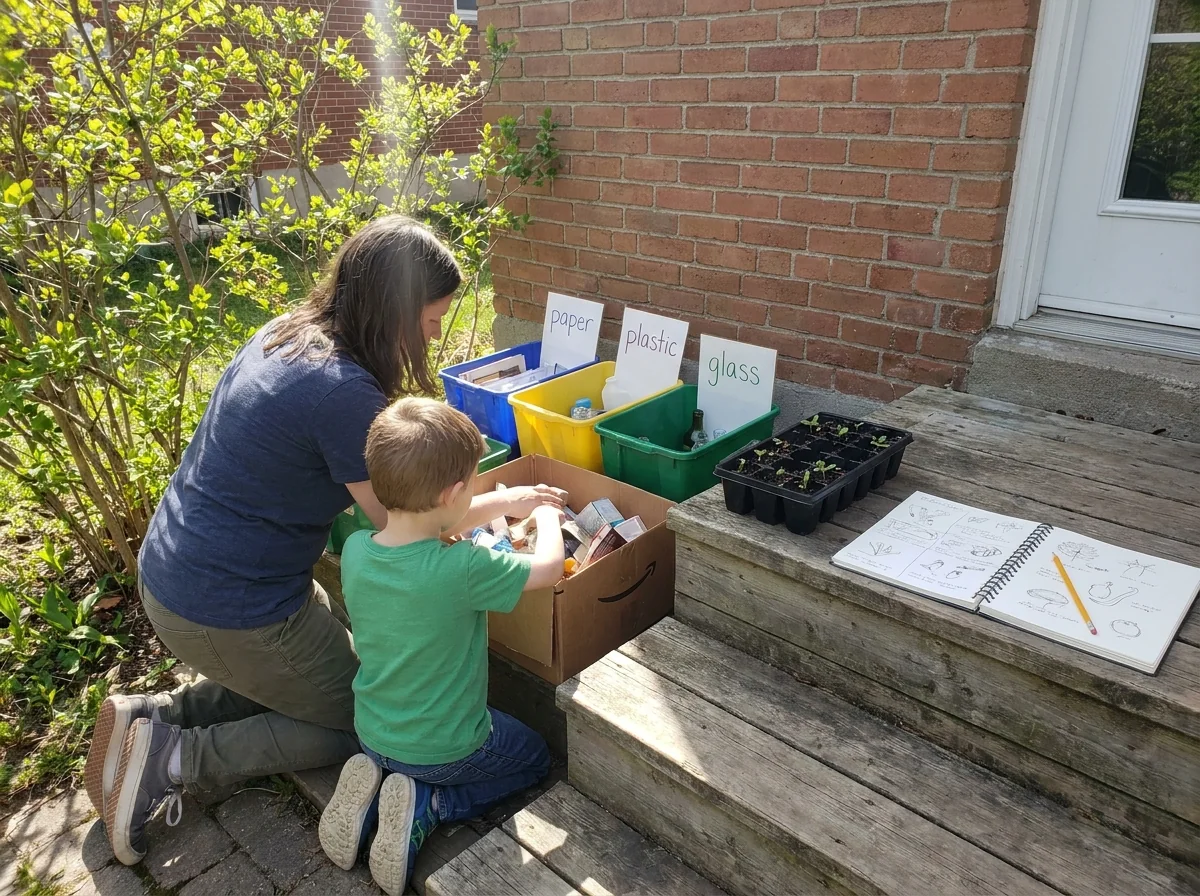
What are good Earth Day activities for kids?
Good Earth Day activities for kids are the ones where a child does something real for the place they live: notices it, sorts it, plants it, saves it or makes something new out of it. For ages 3 to 8 that means getting outside, handling natural materials and recyclables, and running small experiments with water and plants.
Earth Day falls on April 22 each year. According to EARTHDAY.ORG, the first Earth Day was held in the United States in 1970 and has since grown into an event marked around the world. For young children the history matters less than the habit: one day a year to notice the planet and do a few things to care for it, which is why so many of the ideas below are things a family can keep doing all year.
The ideas are grouped by age, but most work across the range with a little adjusting. Pick two or three for a single day, or use the five-day plan near the end.
Earth Day activities for preschoolers (ages 3–4)
At 3 and 4, Earth Day is about the senses: what the ground feels like, what a leaf looks like up close, what goes in which bin. Keep each activity short and talk as you go.
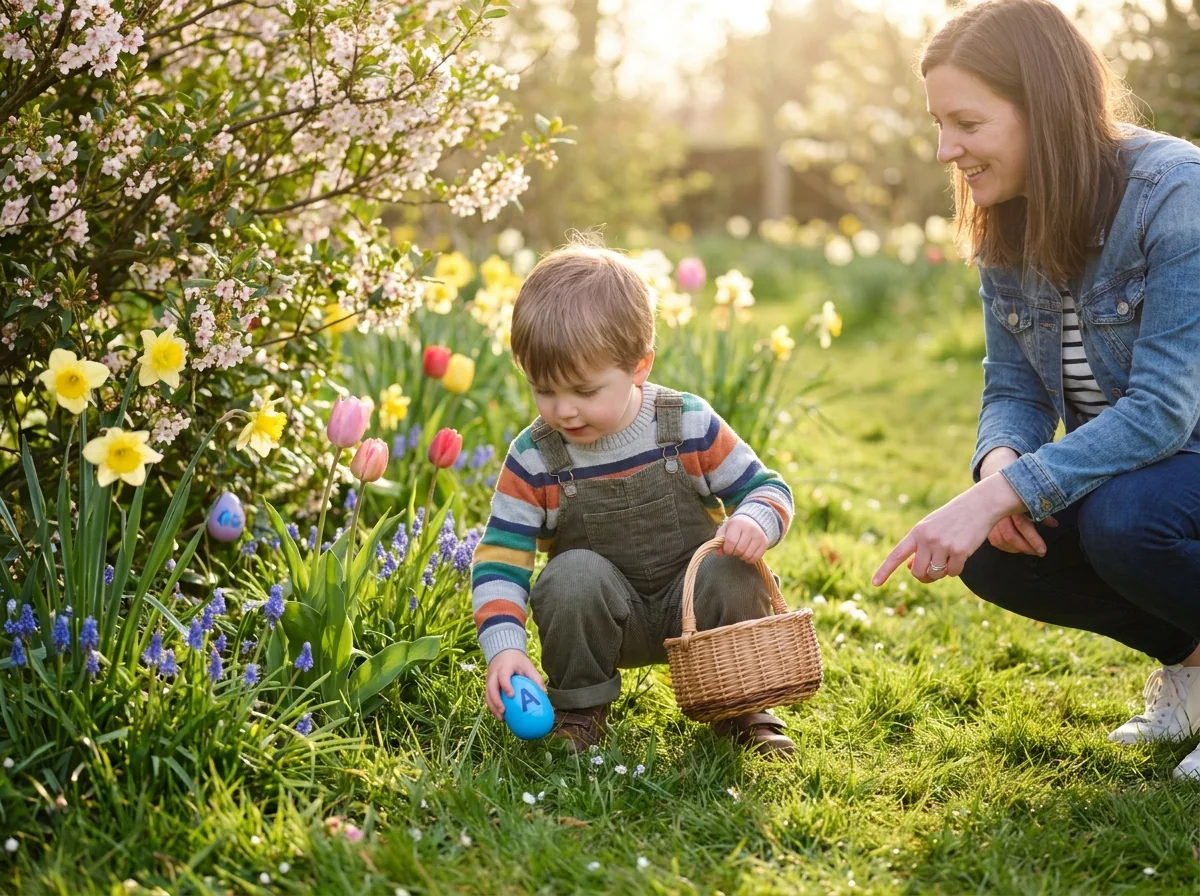
- Collecting-bag nature walk. Give your child a paper bag and look for one leaf, one stone, one stick and one "treasure." Lay them out on a tray at home and talk about each one.
- Nature color hunt. Take paint swatches or colored paper outside and find something in nature to match each color.
- Leaf rubbings. Put a leaf under paper and rub with the side of a crayon. Try a rough leaf and a smooth one.
- Two-bin sort. Two boxes labeled with pictures: "paper" and "plastic." Your child sorts clean packaging into each.
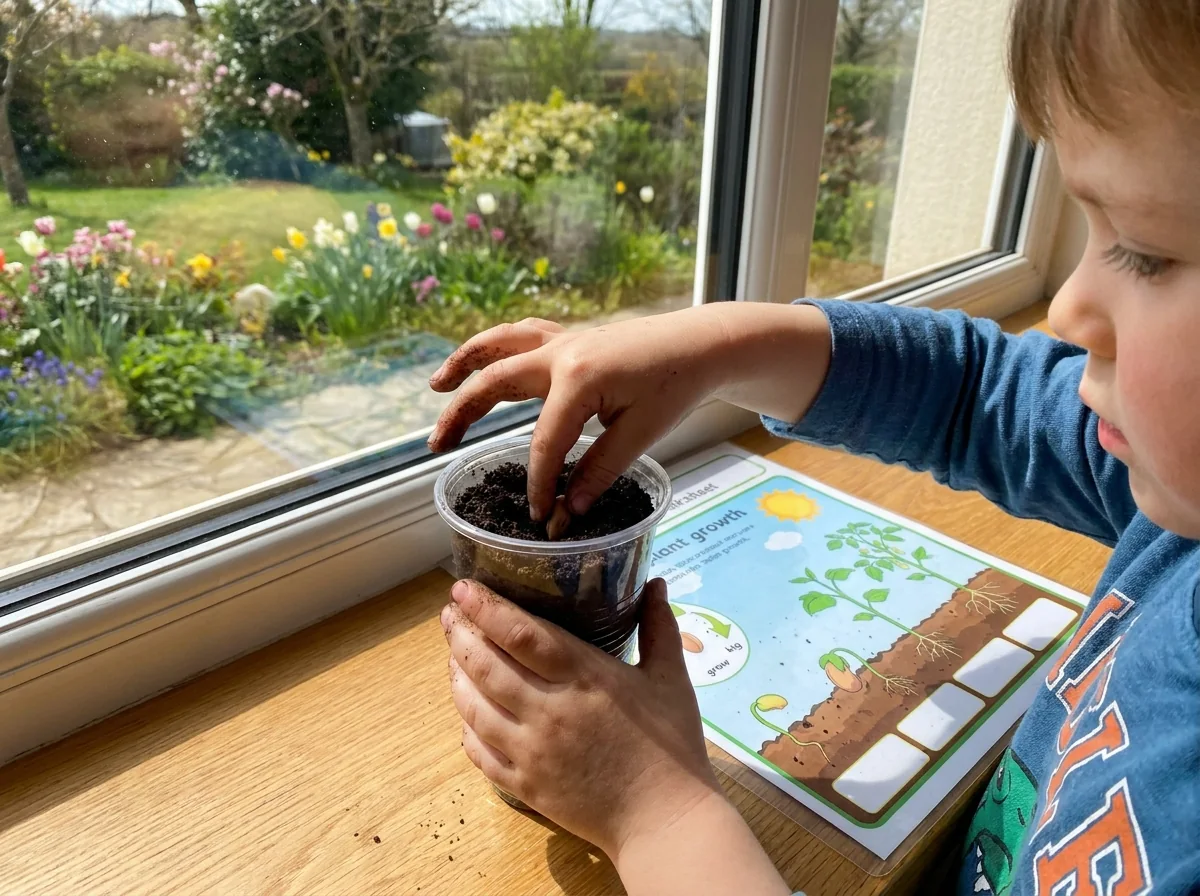
- Bean in a cup. A dried bean, a clear cup, a damp paper towel. Set it on a windowsill and check it every morning.
- Tap-off tooth-brushing. Teach the habit of turning the tap off while brushing. Sing a short song so the brushing still lasts long enough.
- Mud and leaf painting. Paint with mud, a feather and a leaf instead of a brush. Everything washes off.
- Listening walk. Stand still outside for one minute with eyes closed. How many sounds can you hear? Birds? Wind? Cars?
- Box building. Save cardboard boxes for a week, then build a tower, a house or a car. Flatten them for recycling afterward.
- Pine-cone bird feeder. Spread a pine cone with a thin layer of vegetable shortening or sunflower-seed butter, roll it in birdseed and hang it where you can watch.
For more practical ideas at this age, see learning activities for toddlers and our sensory bin ideas, which include a garden bin.
Earth Day activities for kindergarten (ages 5–6)
Five and six year olds can follow a sequence, count and record, and start to understand why we recycle or save water.
- Four-bin recycling race. Paper, metal, plastic, glass. Time how fast your child sorts a pile of clean items, then check against your local rules. The EPA's recycling basics explain why "reduce" and "reuse" come before "recycle."
- Seed-to-flower sequencing. Draw or cut out the stages: seed, sprout, seedling, flower. Put them in order and tell the story.
- Dripping-tap experiment. Set a bowl under a tap that drips slowly for an hour. Pour the water into cups to see how much was wasted.
- Litter pick. Gloves, a bag and a grabber if you have one. Set a rule: adults handle anything sharp or unknown.
- Egg-carton planter. Fill a paper egg carton with soil, plant one seed per cup and label each with a lollipop stick.
- Earth Day words. Trace and read words such as earth, recycle, plant, water, sun, then find the real things in the garden or kitchen.
- Lights-off patrol. Walk the house and count lights left on in empty rooms. Make a chart for the week.
- Compost jar. Layer soil, vegetable peelings and leaves in a clear jar. Check it weekly and watch things change.
- Promise poster. Your child draws one thing they will do for the planet and you pin it by the door.
- Worm watch. After rain, look for worms on paths and talk about how they help soil. Move any off the path with a leaf.
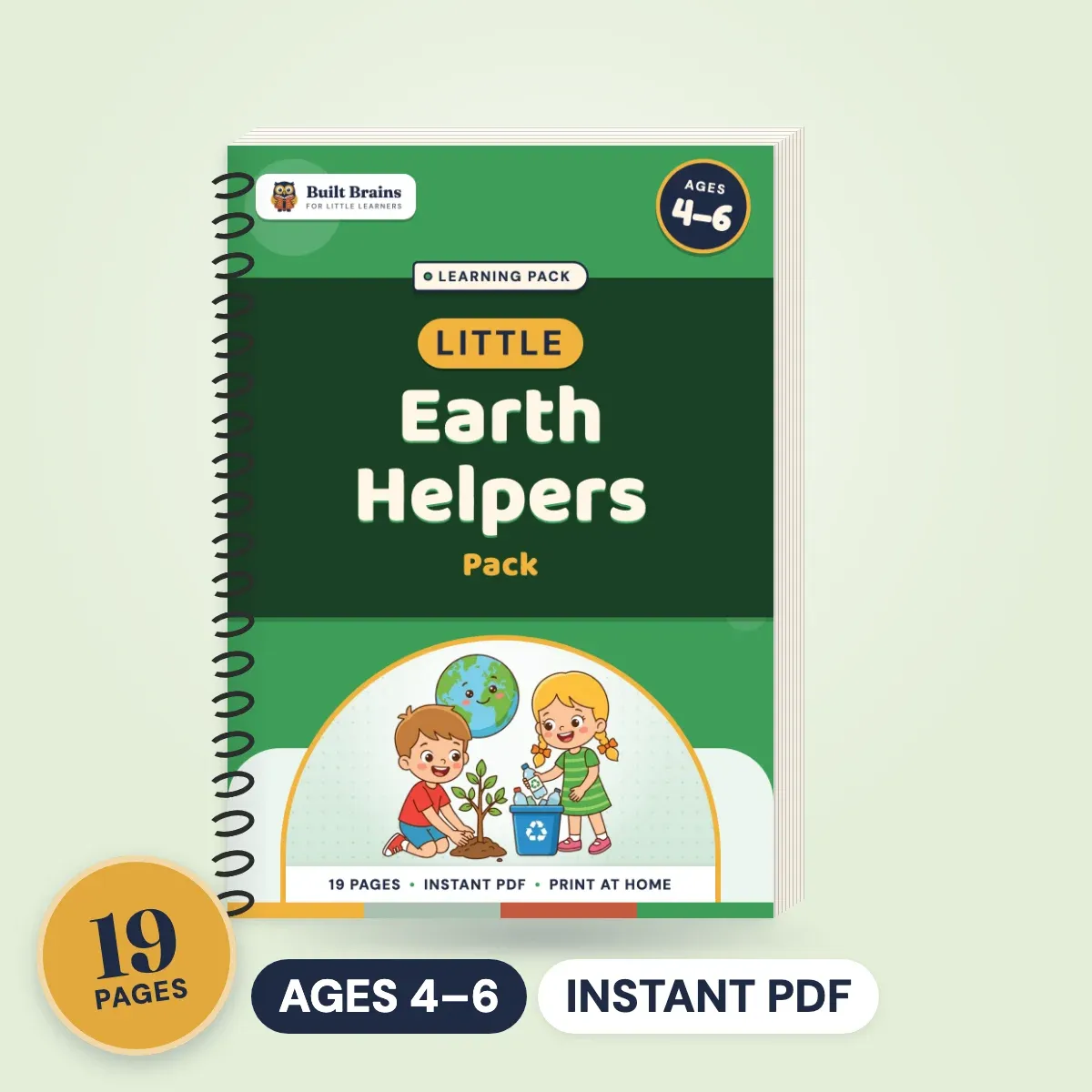
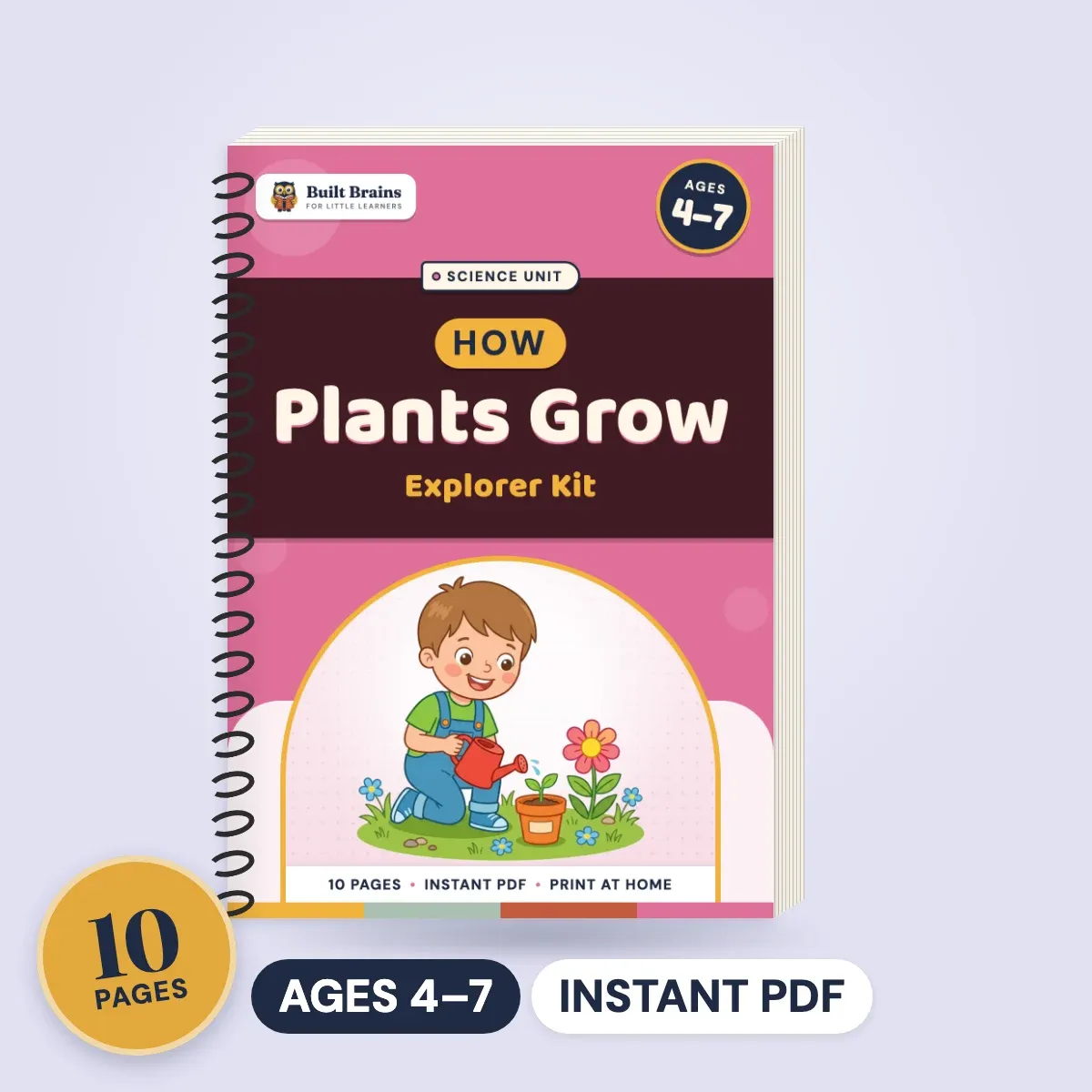
The Little Earth Helpers Pack puts several of these on paper for ages 4 to 6: read-aloud Earth facts, Earth Day words to trace, a recycle cut-and-sort, counting, mazes and coloring pages.
Earth Day activities for 7–8 year olds
By 7 and 8, children can collect data, compare results and design something themselves. Give them a clipboard and a job.
- Home energy audit. A checklist of rooms: lights on? Chargers plugged in? Heating or air conditioning running with a window open? Report the findings at dinner.
- Water-use tally. Tally every time someone uses a tap, the toilet, the shower or the washing machine for one day. Discuss which uses could be shorter.
- Two-jar greenhouse experiment. Two jars with a thermometer in each, in the sun; cover one with clear plastic wrap. Compare the temperatures after 20 minutes to see how trapped air warms up.
- Upcycled invention. Set a challenge: build something useful from the recycling bin. A pencil holder, a bird bath, a toy car.
- Climate reading. Read a page or two together on NASA Climate Kids, which explains weather, climate and energy for this age group.
- Bug hotel. Stack bamboo canes, pine cones and rolled cardboard in an open-fronted box in a sheltered spot.
- Plastic-free lunch challenge. Pack one lunch with no single-use plastic. What had to change?
- Nature journal week. Visit the same tree or patch every day for a week and draw or write what changed.
Earth Day crafts for kids from recycled materials
Crafts are better for the planet when the materials were headed for the bin anyway. Clean and dry everything first, and let an adult do any cutting of tins or plastic.
- Cardboard-tube binoculars. Two tubes taped together, painted, with a string strap. Use them on your nature walk.
- Bottle-cap Earth. Glue blue and green caps onto a cardboard circle to make a planet.
- Newspaper seedling pots. Roll strips of newspaper around a jar, fold the bottom in, slide off and fill with soil. Plant the whole pot.
- Milk-carton bird feeder. Cut a window in a clean carton, add a perch stick, fill with seed and hang.
- Paper-roll trees. Flatten tubes, paint them brown, add torn green paper tops and stand up a forest.
- Egg-carton caterpillar. Cut a strip of cups, paint, add pipe-cleaner antennae.
Tearing, rolling and gluing are good for growing hands too; our fine motor activities for preschoolers explain why.
A five-day Earth Day mini unit for ages 4–8
Run this in the week of April 22, 20 to 40 minutes a day. Each day has one talk, one activity and one outdoor moment.
| Day | Theme | Talk about | Do | Outside |
|---|---|---|---|---|
| Monday | Earth and soil | What lives in soil? | Compost jar or bean in a cup | Dig a small hole and look |
| Tuesday | Water | Where does tap water come from? | Dripping-tap experiment | Look at puddles, a stream or a drain |
| Wednesday | Air and energy | What uses electricity in our home? | Lights-off patrol or energy audit | Fly a paper plane or feel the wind |
| Thursday | Plants and animals | What do plants need to grow? | Seed sequencing and planting | Bug hunt or bird watch |
| Friday | Reduce, reuse, recycle | What can we make instead of buying? | Upcycled craft | Litter pick |
The How Plants Grow Explorer Kit covers Thursday with read-aloud facts, a life-cycle wheel and cut-and-paste sequencing for ages 4 to 7, and the Little Explorer's Nature Journal gives 4 to 9 year olds scavenger hunts, leaf rubbings, bird and bug observation pages and a weather log for the whole week.
Talking to kids about the planet without scaring them
Young children take what they hear literally, so headlines about dying oceans and melting ice can frighten rather than motivate. Keep it local, concrete and hopeful:
- Say what we do, not what might happen. "We recycle so paper can be made into new paper," rather than "or the forests will disappear."
- Let them finish a job. Planting a seed and watching it sprout teaches more about caring for the Earth than any warning.
- Answer the question they asked. If a 6 year old asks "is the Earth getting too hot?", a short, honest answer ("It is warming, and lots of people are working on it, including us when we save energy") is enough.
- Connect it to animals and places they love. The park, the beach, the birds at the feeder.
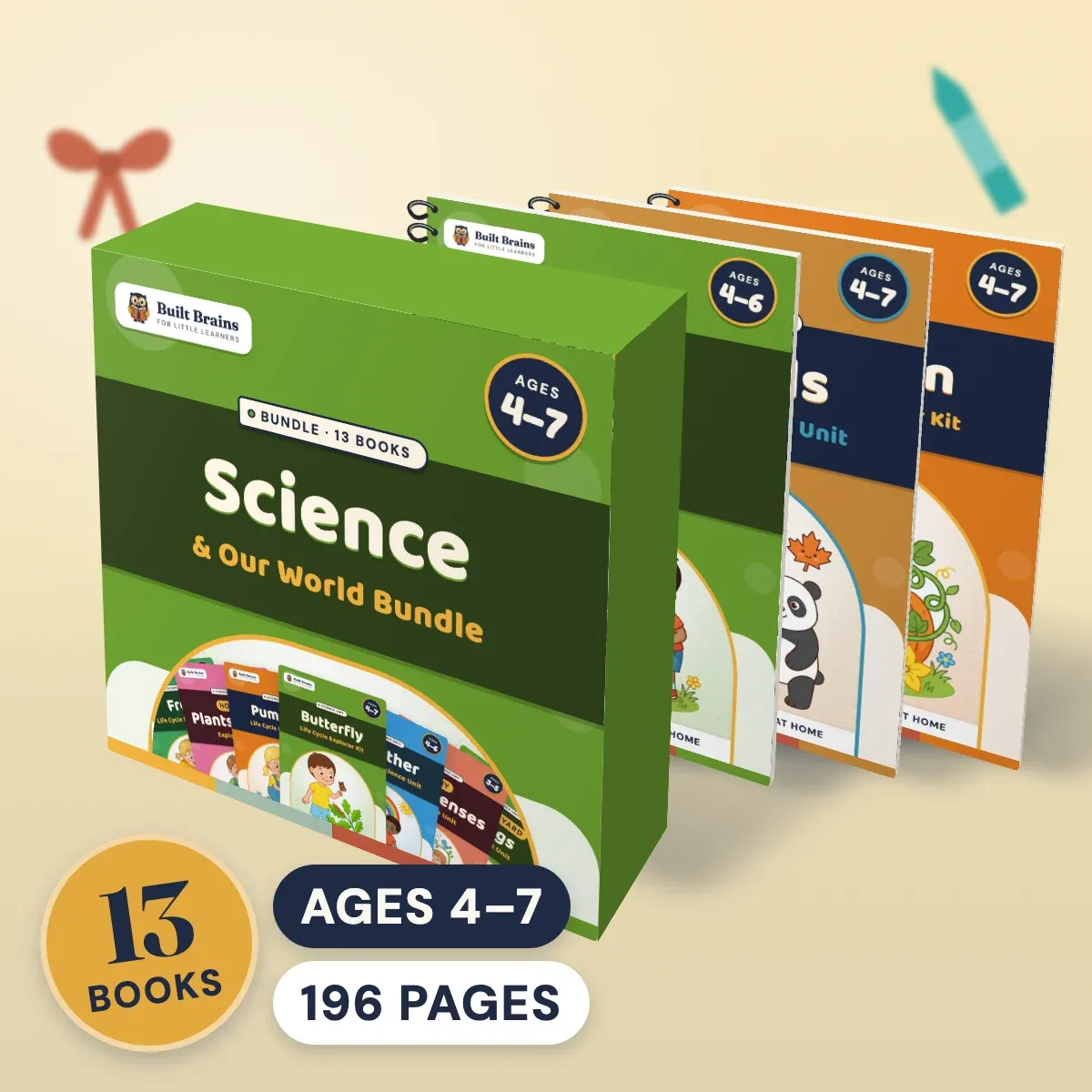
If your family wants to keep going after Earth Day, the Science & Our World Bundle has thirteen units for ages 4 to 7, including four life cycles, weather, bugs and ocean animals, and our toddler curriculum themes guide shows how to run a theme week with younger children.
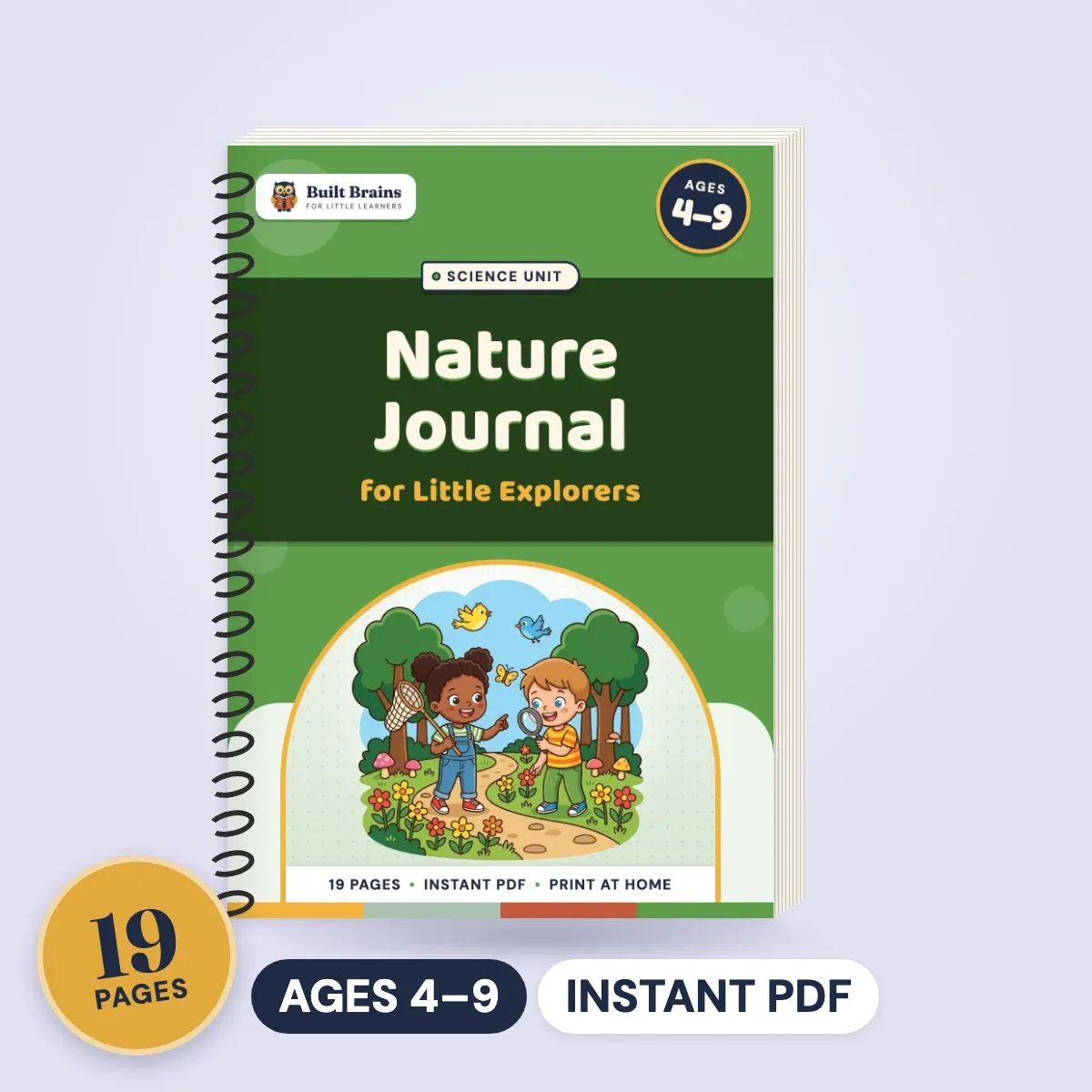
Ages 4–9 · 19 pages
Little Explorer's Nature JournalScavenger hunts, leaf rubbings and observation pages
Sources
- EARTHDAY.ORG – The History of Earth Day — the date (April 22) and the origin of Earth Day in 1970.
- US EPA – Reduce, Reuse, Recycle — the basics of recycling and why reducing and reusing come first.
- NASA Climate Kids — child-friendly explanations of weather, climate and energy used in the ideas for 7–8 year olds.
Questions parents ask
Earth Day is on April 22 every year. The first Earth Day was held in the United States in 1970, and it is now marked in countries around the world. Because the date is fixed, you can plan ahead: many families and classrooms run a week of Earth-themed activities in the days around April 22 rather than a single afternoon.
For 3 and 4 year olds, keep it concrete: a nature walk collecting leaves and stones, a leaf rubbing, planting a bean in a cup, sorting clean recycling into two boxes, and turning the tap off while brushing teeth. Each one takes 10 to 15 minutes, uses things you have at home and gives a small child something real to do for the planet.
Say that Earth Day is a day when people all over the world look after the planet we live on, a bit like giving the Earth a birthday. Keep the message about helping, not fear: we pick up litter so animals stay safe, we turn off lights to save energy, we plant seeds so there are more flowers for bees. Then do one of those things together.
Cardboard-tube binoculars for a nature walk, a bottle-cap mosaic of the Earth, newspaper seedling pots, a milk-carton bird feeder and a paper egg-carton caterpillar or planter. Choose packaging that is clean and dry, and let children do the gluing, painting and decorating while an adult handles any cutting of plastic or metal.
Start with sorting, which young children enjoy. Gather clean items such as a cereal box, a tin, a plastic bottle and a glass jar, then sort them into paper, metal, plastic and glass. Check your local rules together, since what can be recycled varies from place to place, and let your child be in charge of the household recycling bin for a week.
Reviewed by
Forest School Leader & Early Years Educator
Lucy Graham is a certified Forest School Leader who uses the natural world as a classroom to build resilience, motor skills, and environmental awareness in early learners.
More about Lucy →