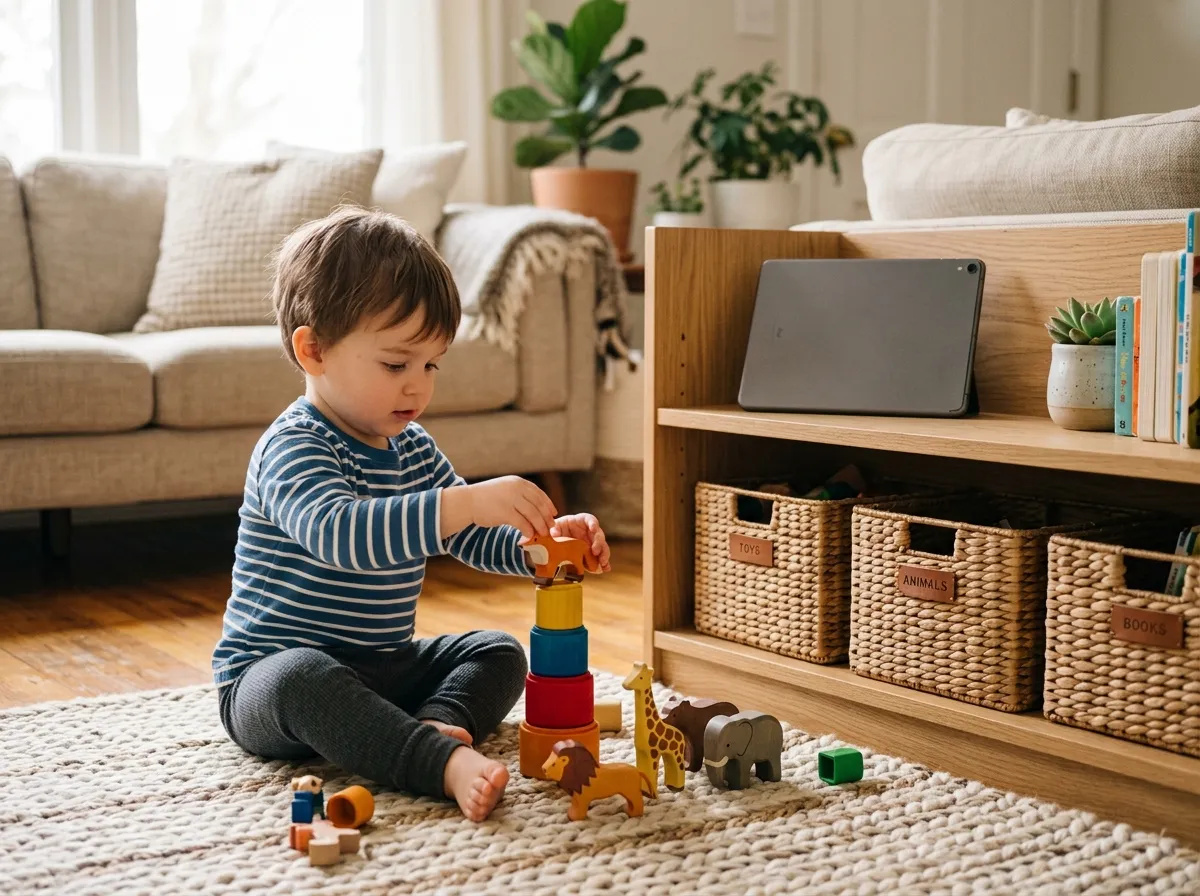
Sensory bin safety first: what's safe for under-3s
Most sensory bin mistakes are safety mistakes, so start here. Children under 3 explore with their mouths, and the AAP lists small, round, firm items such as marbles, beads, nuts and hard dried food among common choking hazards.
- Size check. A handy rule of thumb: if an object fits through a toilet paper tube, it's too small for a child under 3. That includes dried beans, small pom-poms, beads, buttons and coins.
- Supervise the whole time. A sensory bin is not a leave-the-room activity for toddlers. Sit beside them, not across the room.
- Choose taste-safe fillers for mouthers. Cooked pasta, rolled oats, water, crushed cereal and snow are fine if a bit gets eaten.
- Never water beads. US safety regulators and the AAP have warned families to keep water beads away from young children. They expand if swallowed. Skip them entirely.
- Check allergies. Flour, pasta, cereal and cloud dough contain wheat. Oats may be processed alongside wheat. Avoid nut-based fillers and any food your child, a sibling or a visiting friend is allergic to.
- Water rule. Young children can drown in very little water. Empty water bins straight after play.
- Watch the dye. Food coloring stains hands and clothes. Let dyed rice or pasta dry fully before play.
If your child mouths everything, stay with the taste-safe bins below until the habit fades, usually somewhere between 2 and 3. Every child is different, so go by your child, not the calendar.
What do you put in a sensory bin? The basics
Every sensory bin has four parts:
- A container. An under-bed storage tub (about 30 x 45 cm, or 12 x 18 inches) with a lid is ideal. A baking sheet or dishpan works for younger toddlers.
- A filler. The base material: oats, rice, water, pasta, shredded paper.
- Tools. Things to scoop, pour and pinch (see the tools list below).
- Hidden or themed items. Toy animals, cars, leaves, letters to find.
Keep it simple. Four to six items plus filler is plenty. More than that and toddlers dump rather than play.
Sensory bin fillers compared
| Filler | Ages | Cost | Storage | Mess level |
|---|---|---|---|---|
| Water (with cups, sponge) | 12 months+ | Free | Empty after use | Medium (splashes) |
| Cooked pasta, cooled | 12 months+ | Low | Throw out same day | Medium, sticky |
| Dry rolled oats | 18 months+ | Low | Lidded tub, a few weeks | Medium, dusty |
| Crushed plain cereal | 18 months+ | Low | One use | Medium |
| Shredded paper or tissue | 18 months+ | Free | Keeps well | Low |
| Large pom-poms (bigger than a golf ball) | 18 months+ | Low | Keeps for years | Low |
| Ice cubes or snow | 18 months+ | Free | Melts | Wet |
| Large dry pasta shapes | 2+ (supervised) | Low | Months, sealed | Low |
| Dry rice (plain or dyed) | 3+ | Low | Months, sealed | High, scatters |
| Dried beans or lentils | 3+ | Low | Months, sealed | High |
| Kinetic sand | 3+ | Medium | Sealed tub | Medium |
| Cloud dough (flour and oil) | 3+ (wheat allergy check) | Low | Sealed, about a week | High |
24 sensory bin ideas for toddlers and preschoolers
Taste-safe bins for young toddlers (18 months to 2)
- Bubbly car wash. Water, a squirt of baby shampoo, toy cars and a sponge. Wash, rinse, dry.
- Noodle dig. Cooked, cooled spaghetti with a few large toy animals hidden inside. Fish them out.
- Oat bakery. Rolled oats, muffin tin, spoons and measuring cups. "Bake" muffins and pour.
- Ice rescue. Freeze large toys in a tub of water overnight. Give warm water and a squeeze bottle to melt them out.
- Pom-pom pots. Large pom-poms, a muffin tin and big tongs or a spoon. Sort by color into the cups.
- Paper nest. A tub of shredded paper with plastic eggs to find and open.
Everyday bins for 2 year olds
- Farm yard. Oats as "mud", toy farm animals, a small block barn. Feed and move the animals.
- Construction site. Large dry pasta or oats, toy diggers and dump trucks. Scoop and load.
- Tea party. Water, plastic teacups, a teapot and a little cinnamon for smell.
- Baby doll bath. Warm water, a washable doll, a washcloth and a towel.
- Kitchen scoop. Large pasta shapes, a colander, a funnel and tubs. Fill, sieve and pour.
- Bug hunt. Shredded green paper "grass" with toy bugs. Count them as they're found.
Bins for preschoolers (ages 3 to 5)
- Rainbow rice. Dyed rice in several colors with cups and funnels. (How to dye: 1 cup rice, 1 teaspoon vinegar and a few drops of food coloring in a zip bag, shake, dry on a tray for an hour.)
- Dinosaur dig. Kinetic sand or dry beans, toy dinosaurs and a paintbrush to "excavate".
- Ocean world. Blue water, shells, toy sea animals and a small net.
- Letter treasure hunt. Rice with foam or magnetic letters hidden inside. Find them and say the sound.
- Number fishing. Water, plastic numbers or bottle caps with numbers written on, and a slotted spoon.
- Grocery store. Dry beans with small plastic food, a scoop and paper bags to "sell" by the scoop.
Seasonal sensory bins
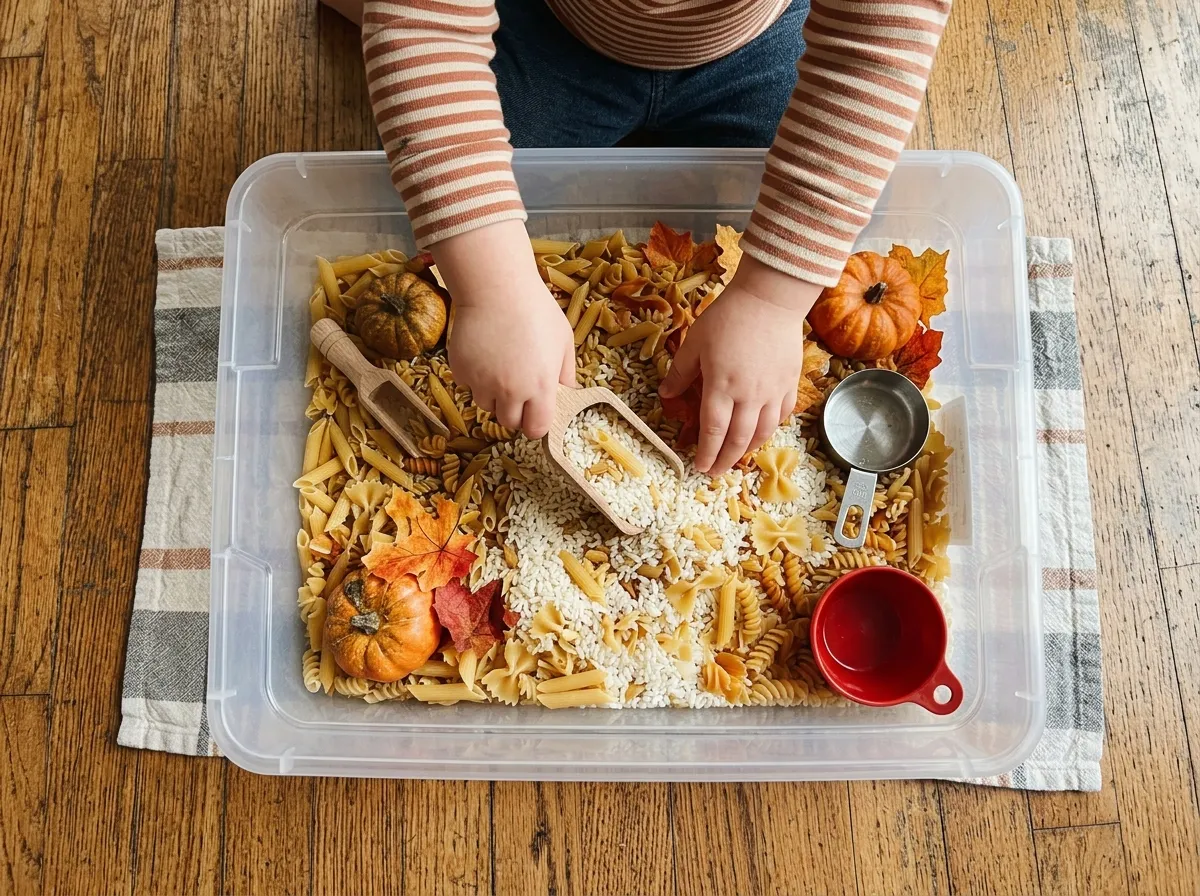
- Fall leaf bin. Dry leaves, pine cones (large ones for toddlers), acorn caps for 3+ and small baskets. Crunch, sort big and small, count.
- Pumpkin guts. Scoop the inside of a real pumpkin into a tub with spoons and cups. Squishy, stringy and very popular. Seeds are a choking risk for under-3s, so supervise closely or pick them out first.
- Not-so-spooky Halloween bin. Orange-dyed rice or oats, plastic spiders (large), small plastic pumpkins and a ladle.
- Snow bin. Bring snow inside in a tub with mittens, shovels and toy animals. No snow? Crushed ice or shredded white paper.
- Arctic ice bin. Ice cubes, water, toy penguins and polar bears, and a little salt for 3+ to watch the ice melt faster.
- Christmas wrap bin. Tissue paper, ribbon (short pieces only, under supervision), empty gift boxes and large jingle bells. Wrap and unwrap. Bells must be too big to fit through a toilet paper tube.
Sensory bin tools that are worth having
You don't need a special kit. Look in your kitchen first:
- Measuring cups and spoons
- A funnel and a small colander
- Ice cube trays and muffin tins for sorting
- Kitchen tongs or salad tongs (easier than tweezers for small hands)
- Small plastic containers with lids to fill and shake
- A cheap paintbrush for "digging"
- A turkey baster or squeeze bottle for water bins (age 3 and up)
Swap one tool each week and an old bin feels new.
How to set up a sensory bin and contain the mess
- Pick the spot. Kitchen floor, a balcony, or outside on a warm day. Carpet is hard mode.
- Lay a base. An old shower curtain, a fitted sheet or a cheap splat mat under the tub catches spills.
- Start with less filler. About 5 cm (2 inches) deep. You can always add more.
- Show, then step back. Scoop and pour once while your child watches, then let them explore.
- Give the rules in one breath. "The oats stay in the bin. Hands and scoops only."
- Five-minute warning. "Five more minutes, then we tidy." Then do it.
- Tidy together. A dustpan and brush for dry fillers is a job most 2 and 3 year olds love.
- Store it. Lid on, label on. Dry fillers can be reused many times.
When a sensory bin goes wrong
- They dump everything straight away. Totally normal for younger toddlers. Use less filler and a smaller tub.
- They eat it. Switch to a taste-safe filler and try the other bins in a few months.
- They hate getting messy. Some children dislike certain textures. Offer tools only, no hands required, and let them watch you first. Never force touching. If strong reactions to textures, sounds or clothing worry you, mention it to your pediatrician or health visitor.
- They're bored in two minutes. Hide something to find, add water, or bring in a favorite toy.
How to add learning to a sensory bin
Sensory play builds fine motor strength, language and focus on its own. For children around 3 and up, you can layer in early skills without it feeling like a lesson.
Counting and math
- "Can you find three cars?" Count them into a cup.
- Compare: "Which cup has more?"
- Use an ice cube tray: one item in each hole is one-to-one counting.
Colors
- Hide colored items and sort them into matching bowls.
- Name colors as your child finds them rather than quizzing.
Letters and sounds
- Hide the letters of their name, then line them up in order.
- Hide small toys and ask "What does b-b-b-bear start with?"
- Point to each letter as you say its sound, then let your child do the same.
Words to use
Narrate with rich words: scoop, pour, full, empty, heavy, light, rough, smooth, crunchy, squishy, cold, sticky. A sensory bin is one of the best vocabulary lessons of the week.
Beyond the bin: quiet-time follow-ups
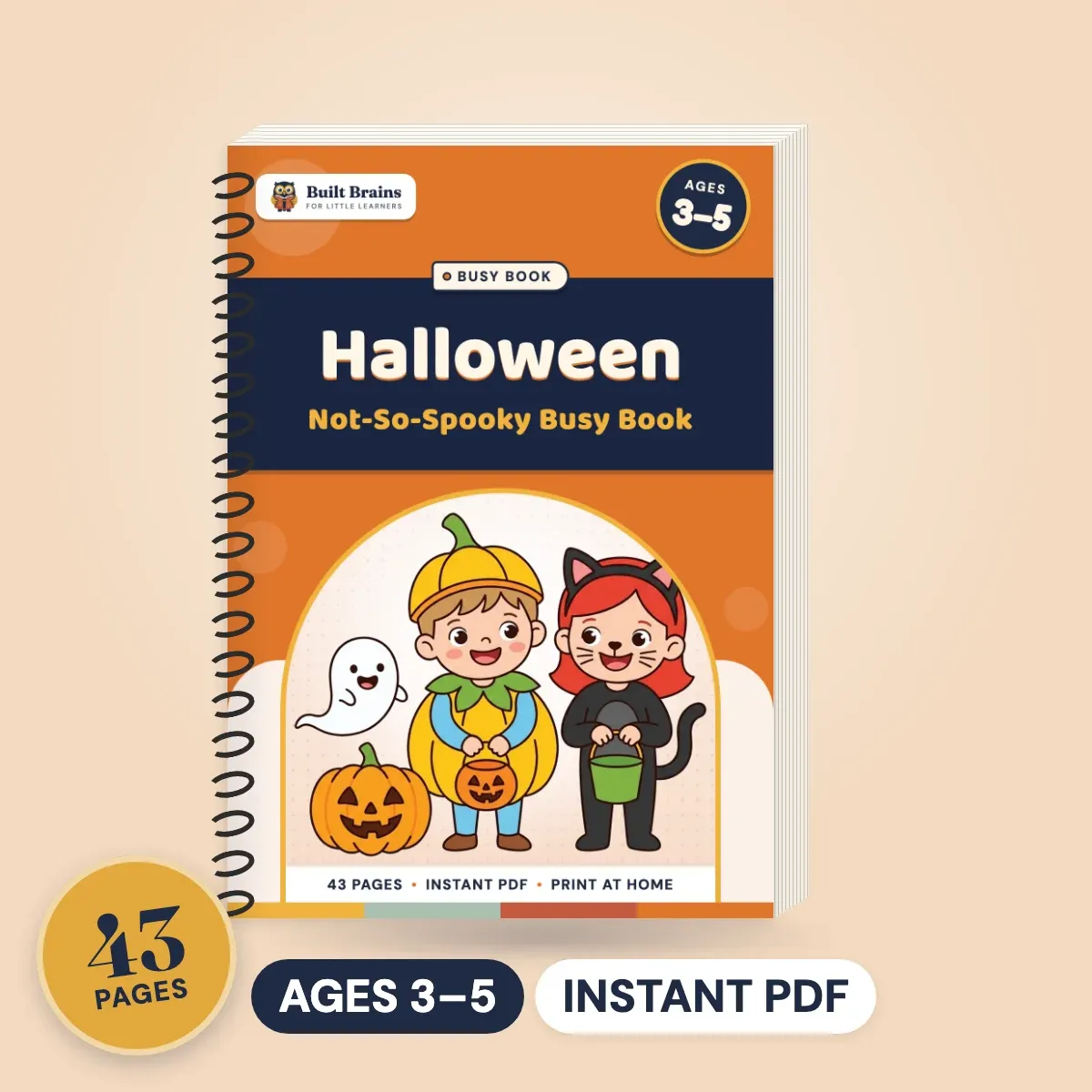
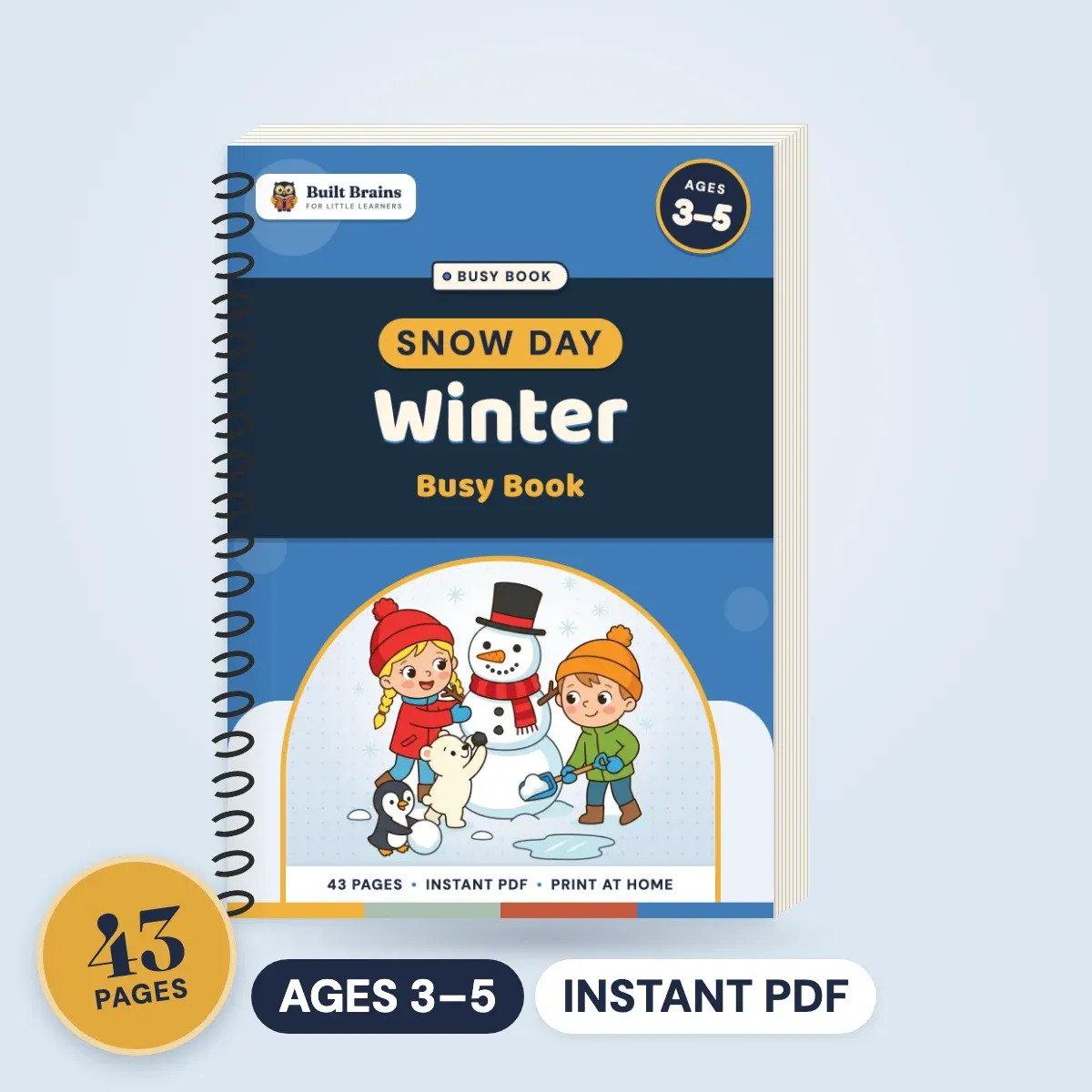
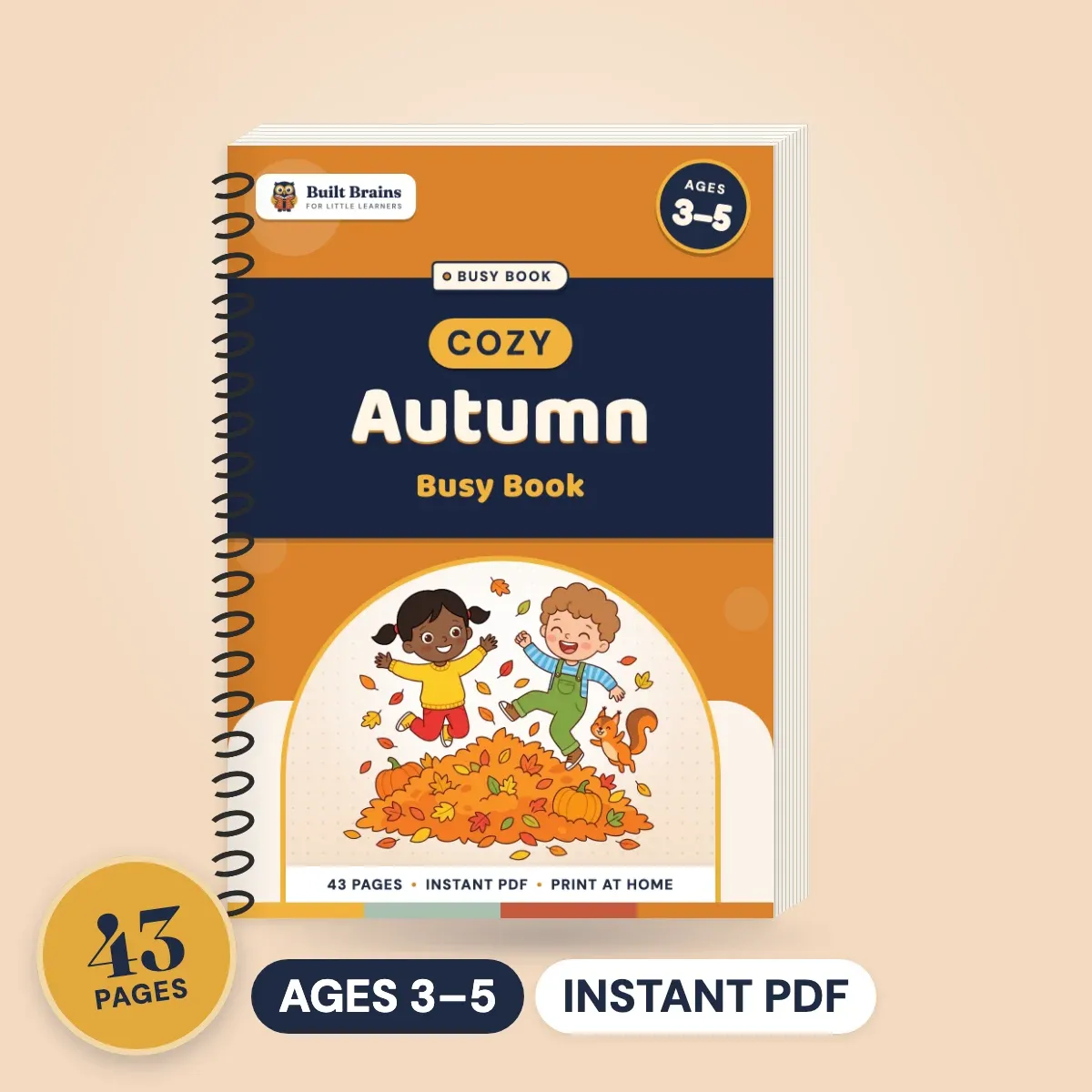
Sensory bins are messy and need you right there. For days when you need something calmer, a printable busy book makes a good partner: same theme, no cleanup. Our busy book ideas guide explains how to build one. Seasonal ones like the Cozy Autumn Busy Book, the Not-So-Spooky Halloween Busy Book and the Snow Day Winter Busy Book match the seasonal bins above, and our seasonal collection has packs for every month. For more hands-on play ideas for the littlest ones, see learning activities for toddlers.
Questions parents ask
Simple, closely supervised bins can start once a child sits steadily and plays with their hands, often around 12 to 18 months, using taste-safe fillers like cooked pasta, oats or water. Most children get the most out of sensory bins from about 2 onward, when they scoop, pour and pretend. Bins with small fillers suit ages 3 and up.
Dry rolled oats, large pasta shapes, cooked spaghetti, water, shredded paper, pom-poms larger than a golf ball, crinkled tissue paper, snow, ice cubes, fall leaves and cotton balls all work. For children under 3, oats, cooked pasta and water are the safest swaps because they are soft or dissolve if mouthed.
Dry rice, dry pasta and beans can last months if kept dry in a lidded tub and checked for moisture or bugs. Oats last a few weeks. Anything wet, cooked or mixed with water, such as cooked pasta, cloud dough or ice, should be thrown out the same day to avoid mold and bacteria.
No, not in any home with babies or young children. US safety regulators and the American Academy of Pediatrics have warned that water beads can swell inside the body if swallowed and cause serious injury. They are hard to see and easy to lose. Use water, ice cubes or cooked pasta instead.
Set one calm rule: "The rice stays in the bin." If it gets thrown, say it once more, then remove the bin for now with a simple "We'll try again later." Throwing often means your child is bored or needs to move, so offer a ball to throw outside instead. Use less filler to start.