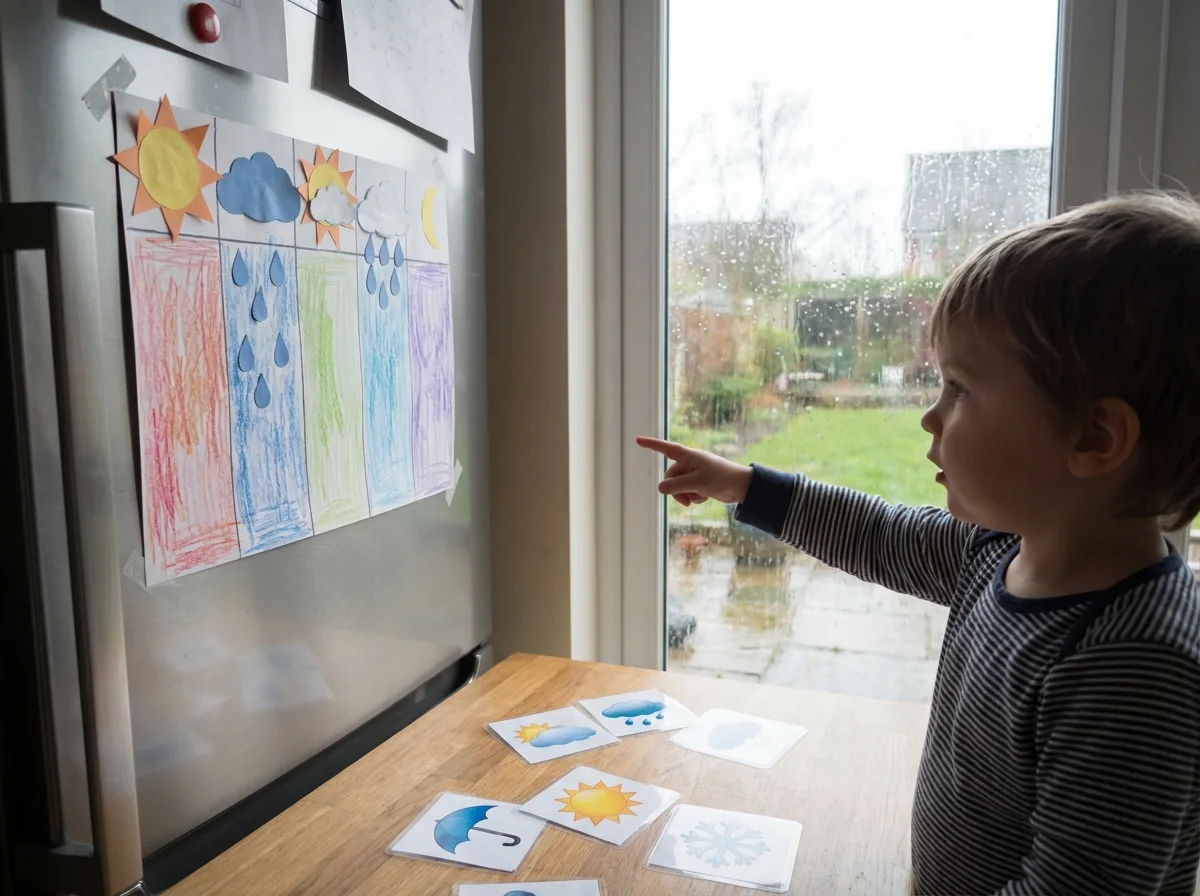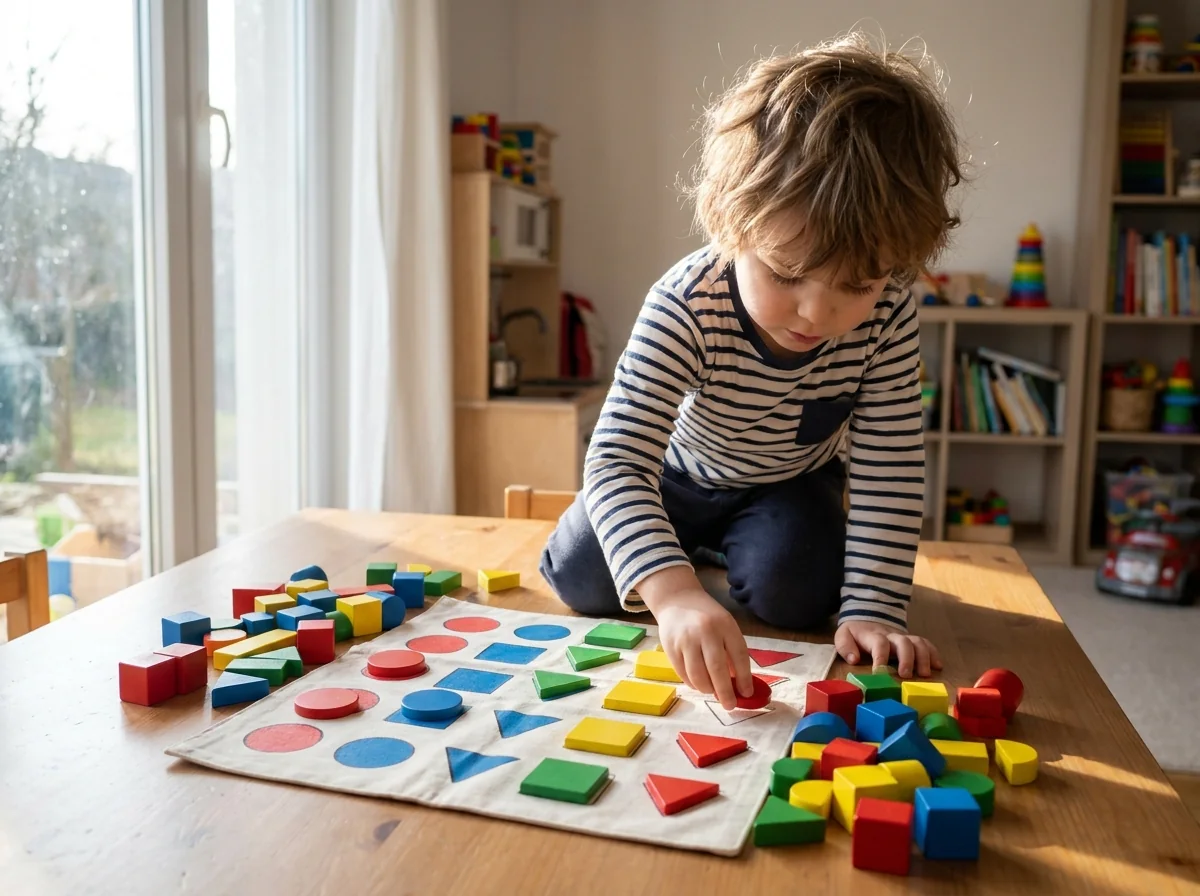
What a life cycle is, in preschool words
A life cycle is the set of stages a living thing goes through from the start of its life until it can make new life, and then the cycle starts again. For 4 to 7 year olds the big idea is simple: living things change as they grow, in the same order every time, and the end of one cycle is the start of the next. Butterfly, frog and plant are the three classic units because the changes are dramatic, the stages are easy to draw, and two of the three can be watched at home.
The activities below are grouped by strand, then a 5-day plan shows how to run one unit in a week. Run the three units back to back in spring for a three-week science block, or spread them across the year with pumpkin and apple in fall.
The facts, stage by stage
Say these the same way every time; the order is the lesson.
Butterfly: egg, caterpillar, chrysalis, butterfly
- Egg. A tiny egg laid on a leaf.
- Caterpillar (larva). Hatches and eats and eats, shedding its skin as it grows.
- Chrysalis (pupa). The caterpillar hangs up, forms a hard case and changes inside.
- Butterfly (adult). Comes out, dries its wings, flies off, and lays eggs.
A monarch caterpillar eats milkweed for about two weeks, then spends roughly nine to fifteen days in the chrysalis; the whole egg-to-butterfly cycle takes about a month (National Geographic Kids – Monarch Butterfly). Use the word metamorphosis with fives and up; they love a big word.
Frog: egg, tadpole, froglet, frog
- Egg. Laid in jelly-like clumps (spawn) in shallow water in early spring.
- Tadpole. Hatches with a tail and gills, no legs, and eats pond plants.
- Froglet. Back legs grow, then front legs, the tail shrinks and lungs take over.
- Frog. Lives on land and in water, and returns to the pond to lay eggs.
Common frog tadpoles hatch around three weeks after the spawn is laid, and the change to a froglet takes up to about sixteen weeks depending on the weather (Woodland Trust – Common Frog). Frogs are amphibians, not insects or fish, and that is a good sorting conversation in itself (National Geographic Kids – Amphibians).
Plant: seed, sprout, seedling, plant, flower, seeds
- Seed. Holds a tiny plant and its first food.
- Sprout. With water and warmth, a root grows down and a shoot grows up.
- Seedling. The first leaves open and start making food from sunlight.
- Plant and flower. The plant grows tall and flowers.
- New seeds. The flower makes seeds, and the cycle begins again.
Runner beans and sunflowers are the dependable choices: large seeds that small hands can plant, fast germination in warm soil, and a big result (Royal Horticultural Society – Grow Your Own Runner Beans).
36 life cycle activities, by strand
Observe and experiment
- Bean in a jar. Line a clear jar with damp paper towel, slide a bean between towel and glass, keep moist. Root in days, shoot soon after. Draw it daily.
- Raise butterflies. A painted lady caterpillar kit in spring: about three weeks from caterpillar to release. Watch the chrysalis form and the wings dry.
- Sunflower in a pot. Plant, measure weekly with a paper strip, and keep the dried head in fall to count seeds.
- Pond visit. In spring, find spawn in a pond and visit weekly to see tadpoles grow. Look, do not collect.
- Seed dissection. Soak large beans overnight, peel the coat, split, and find the baby plant inside with a magnifying glass.
- What do seeds need? Three bean jars: one with water and light, one with water in a dark cupboard, one dry. Predict, then check.
- Apple and pumpkin seeds. Cut one open, count the seeds, plant a few, and talk about where the next tree or vine would come from.
- Egg-shell seedlings. Start cress or grass seed in rinsed eggshells on a windowsill, then plant the whole shell.
Vocabulary and books
- Stage word cards. Egg, caterpillar, chrysalis, butterfly; trace, read and order them.
- Big-word day. Teach metamorphosis, larva, pupa, tadpole, germinate. Clap the syllables.
- Read-aloud fact page, then retell the cycle with a finger walking around a paper circle.
- Story sequencing. After The Very Hungry Caterpillar, put picture cards of the story in order.
- "Which stage am I?" riddles. "I have a tail and no legs and I live in a pond."
- Journal page. One sentence and one drawing per observation day: "Day 4: the root is as long as my finger."
Math
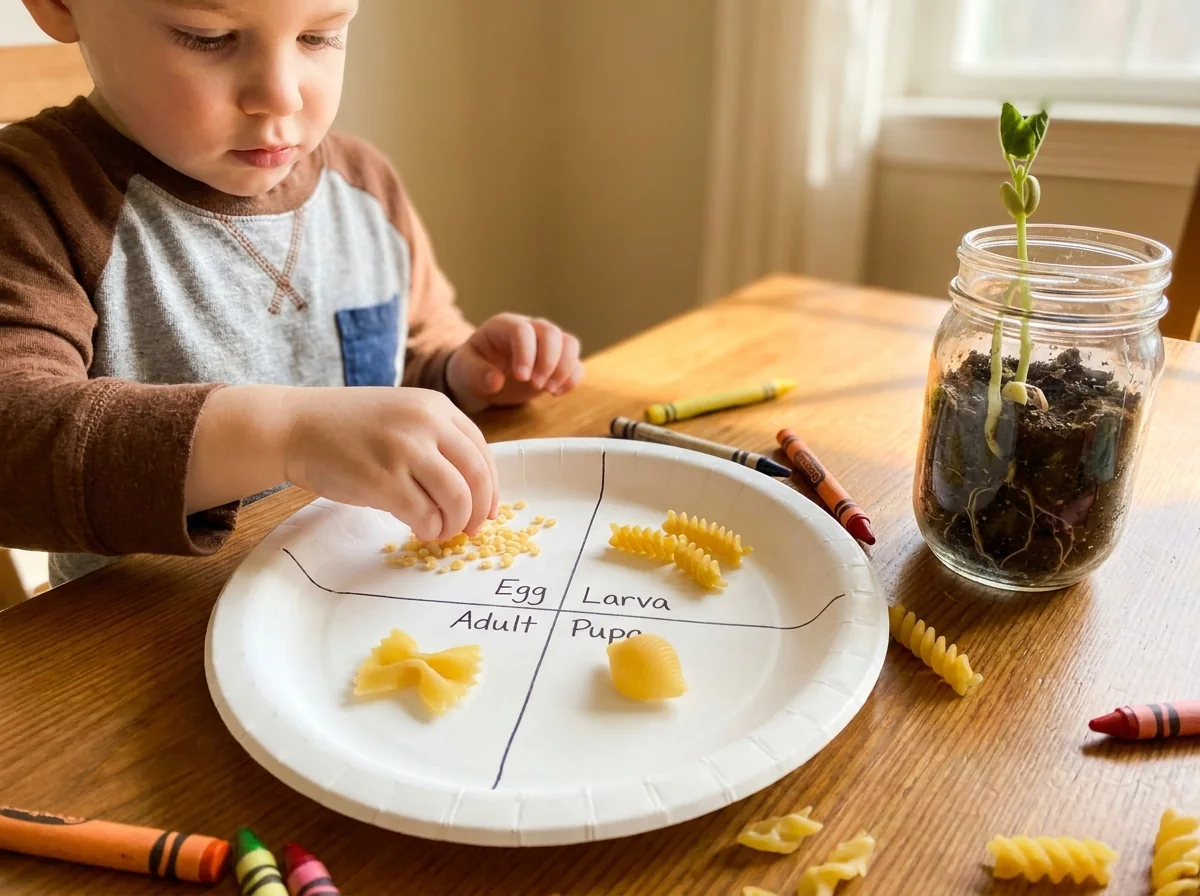
- Life-cycle wheel. A paper plate divided into four, stages drawn in order, a paper-fastener arrow to spin. Count the stages.
- Measure the sprout. Snip a strip of paper to the plant's height each week and glue the strips side by side as a bar graph.
- Tadpole counting. Black pom-pom "tadpoles" in a blue bowl: roll a die, add that many, count the pond.
- Seed sorting. Bean, sunflower, pumpkin and apple seeds sorted by size, then counted in tens.
- How many days? A paper chain for the chrysalis; take one link off each day and count what is left.
- Caterpillar number line. Circles numbered 1 to 10 (or 20) glued in order to make a long caterpillar.
- Symmetry wings. Paint one wing, fold, press: the same on both sides. Count the spots on each.
Art and fine motor
- Cut-and-paste sequencing. Cut out the four stages and glue them around a circle in order.
- Pasta life cycle. Orzo egg, spiral caterpillar, shell chrysalis, bow-tie butterfly glued on a leaf shape.
- Coffee-filter butterfly. Marker, water spray, clothespin body, pipe-cleaner antennae.
- Frog life cycle plate. Blue paper-plate pond with cotton-ball spawn, black paper tadpoles, a green froglet, a frog.
- Seed mosaic. Glue real seeds inside a flower outline.
- Egg-carton caterpillar that "becomes" a butterfly: keep it in a sock chrysalis overnight and swap it for a coffee-filter butterfly.
- Handprint sunflower. Yellow handprints around a brown circle, real seeds glued in the middle.
Movement and songs
- Act it out. Curl small as an egg, wriggle as a caterpillar, wrap in a blanket chrysalis, burst out and flap.
- Tadpole to frog. Lie on the floor and wiggle, grow back legs (kneel), grow front legs (crawl), hop!
- Seed to sunflower. Crouch, push one arm up as a shoot, open the other as leaves, stand tall and turn to face the sun.
- "Five Little Speckled Frogs" with five children or five toy frogs on a log.
- Butterfly freeze. Flutter to music, freeze as a chrysalis when it stops.
Outdoors
- Caterpillar and egg hunt. Check the undersides of leaves on cabbages, nettles and milkweed.
- Plant a butterfly patch. A pot of nectar flowers by a window, and milkweed if you are in monarch country.
- Seed walk in fall. Collect acorns, maple keys, dandelion clocks and sunflower heads and sort "how does this seed travel?"
A sample 5-day butterfly plan (swap in frog or plant)
The same shape works for all three units. Start the live observation (caterpillars, bean jar or pond visits) on Monday so there is something to check every day.
| Day | Focus | Observe | Table time | Make | Move |
|---|---|---|---|---|---|
| Monday | Egg | Set up caterpillar kit or bean jar | Read-aloud fact page, stage word cards | Pasta life cycle | Act it out, all four stages |
| Tuesday | Caterpillar (larva) | Check and draw | Caterpillar number line | Egg-carton caterpillar | Wriggle race |
| Wednesday | Chrysalis (pupa) | Check and draw | Chrysalis paper chain | Sock chrysalis swap | Butterfly freeze |
| Thursday | Butterfly | Check and draw | Symmetry wings, life-cycle wheel | Coffee-filter butterfly | Flutter outdoors |
| Friday | The whole cycle | Journal page | Cut-and-paste sequencing, certificate | Butterfly patch pot | Retell with actions |
For frogs, swap the live observation for weekly pond visits and Five Little Speckled Frogs; for plants, the bean jar is the daily check and Friday is planting day. For more counting ideas to fold in, see math activities for preschoolers.
Picture books for life cycles
Butterfly
- The Very Hungry Caterpillar by Eric Carle
- Waiting for Wings by Lois Ehlert
- Monarch Butterfly by Gail Gibbons
Frog
- From Tadpole to Frog by Wendy Pfeffer
- Frogs by Gail Gibbons
Plant
- From Seed to Plant by Gail Gibbons
- The Tiny Seed by Eric Carle
- Planting a Rainbow by Lois Ehlert
- A Seed Is Sleepy by Dianna Hutts Aston
Fall and farm cycles
- Pumpkin Circle by George Levenson
- The Apple Pie Tree by Zoe Hall
- Chickens Aren't the Only Ones by Ruth Heller
Care and safety for live life cycles
- Caterpillar kits: keep the cup out of direct sun, do not open it until the butterflies have emerged, and release them on a warm, dry day within a day or two of emerging.
- Frog spawn and tadpoles are best watched where they are. Collecting them is restricted in some places and the survival rate at home is poor; if a school or nature center keeps tadpoles, visit those instead.
- Seeds and small parts: beans, sunflower and pumpkin seeds are choking hazards for children under 3, and some seed packets are treated with chemicals, so buy untreated seeds for children's hands and wash hands after planting.
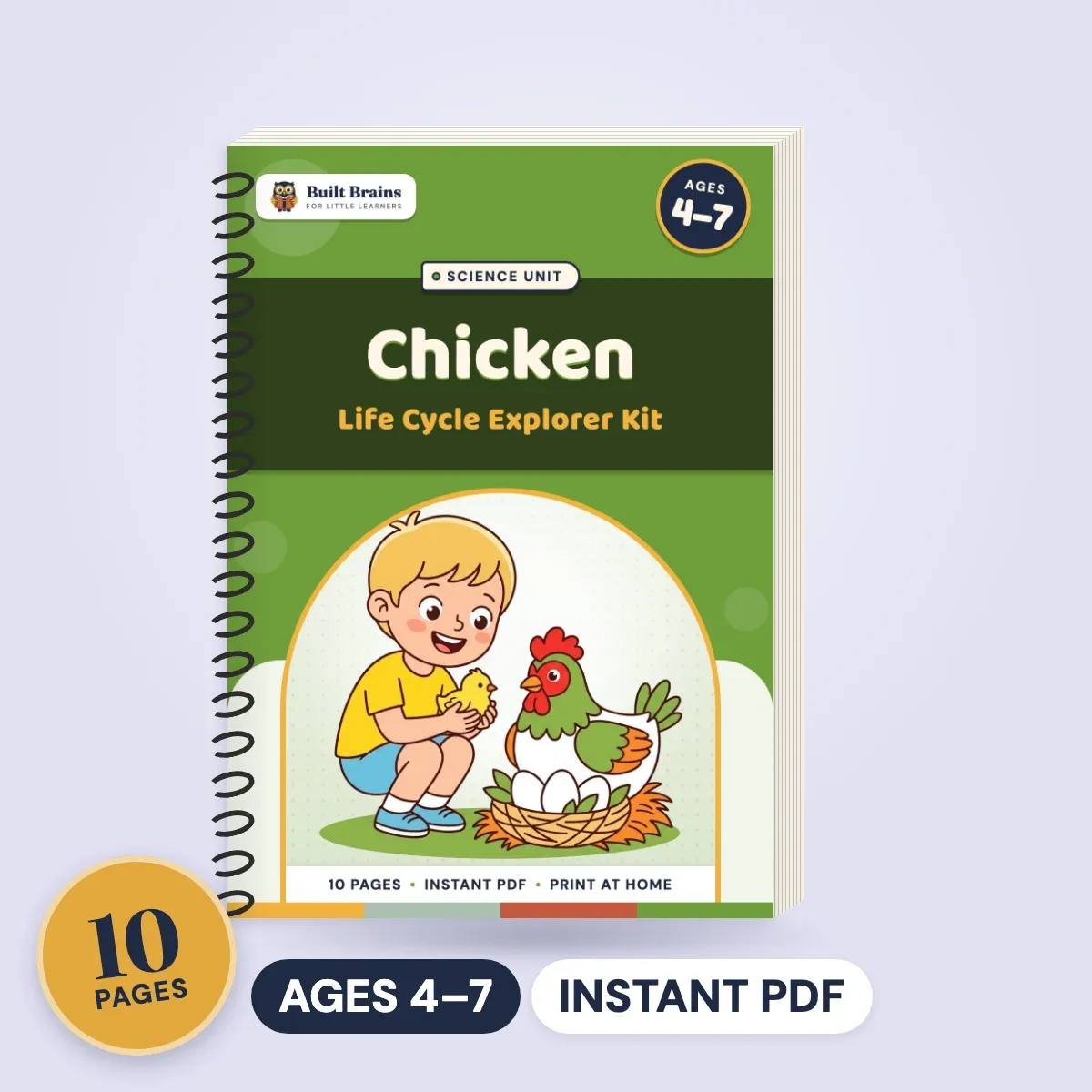
- Chick hatching needs an incubator, 21 days of steady care and a real home for the chickens afterward. If that is not realistic, a farm visit or a classroom hatch is the better option, and the Chicken Life Cycle Explorer Kit covers the stages on paper.
What to print for life cycle units
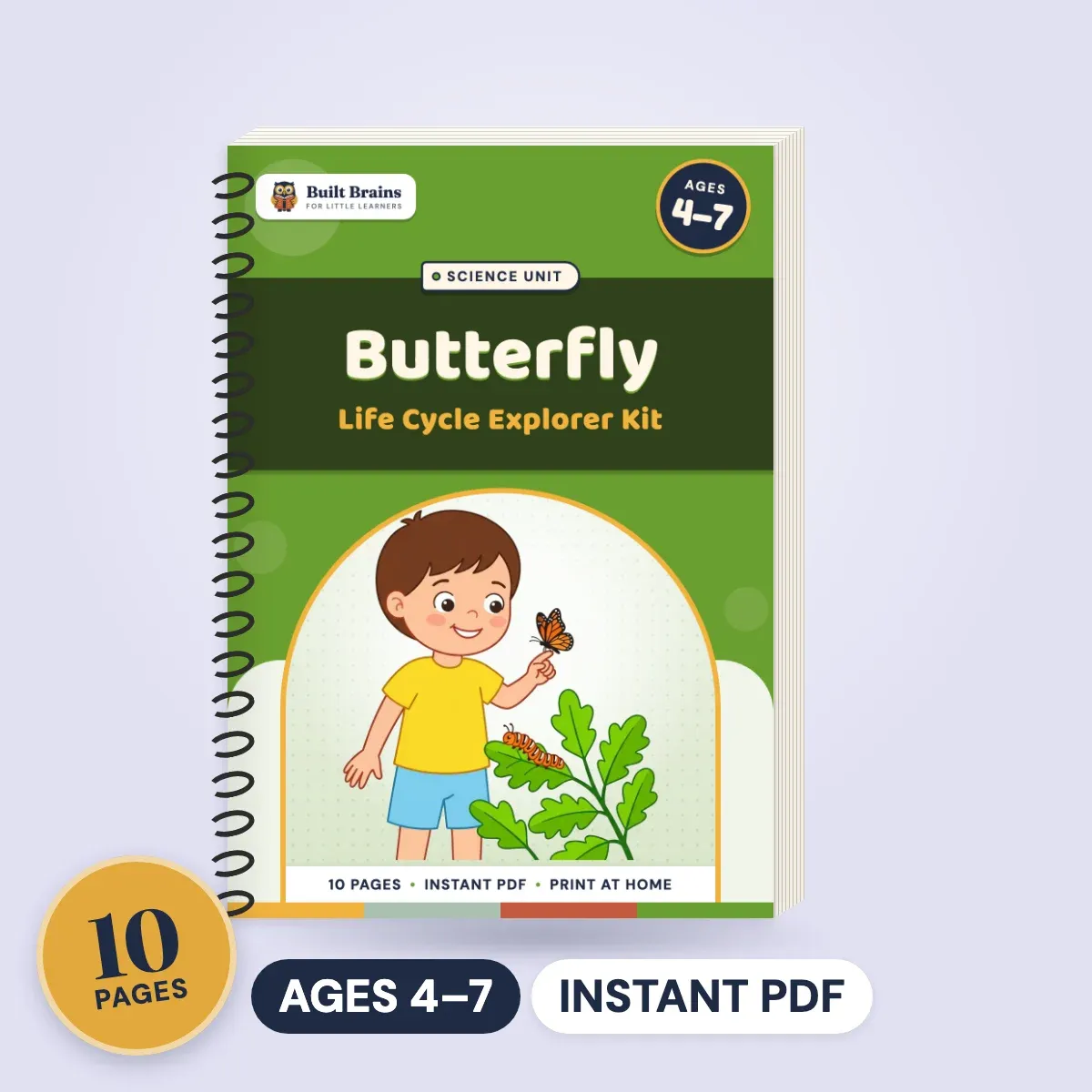
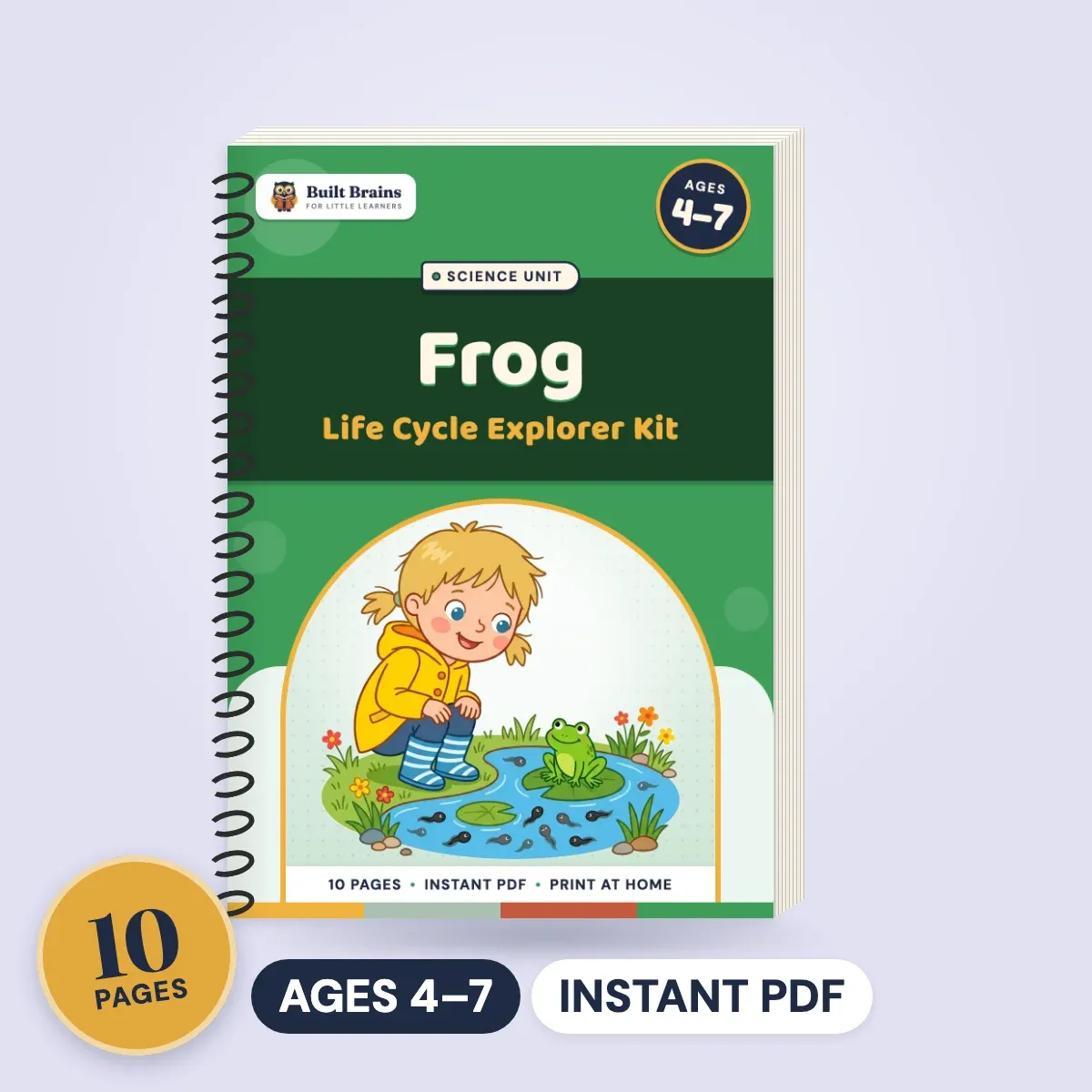
Each explorer kit (ages 4–7, 10 pages) has the same shape, so once your child has done one, the next one runs itself: a read-aloud fact page, a life-cycle wheel to label, cut-and-paste sequencing, word tracing, word cards, a coloring page and a certificate.
- Butterfly Life Cycle Explorer Kit: egg, caterpillar, chrysalis, butterfly.
- Frog Life Cycle Explorer Kit: eggs, tadpole, froglet, frog.
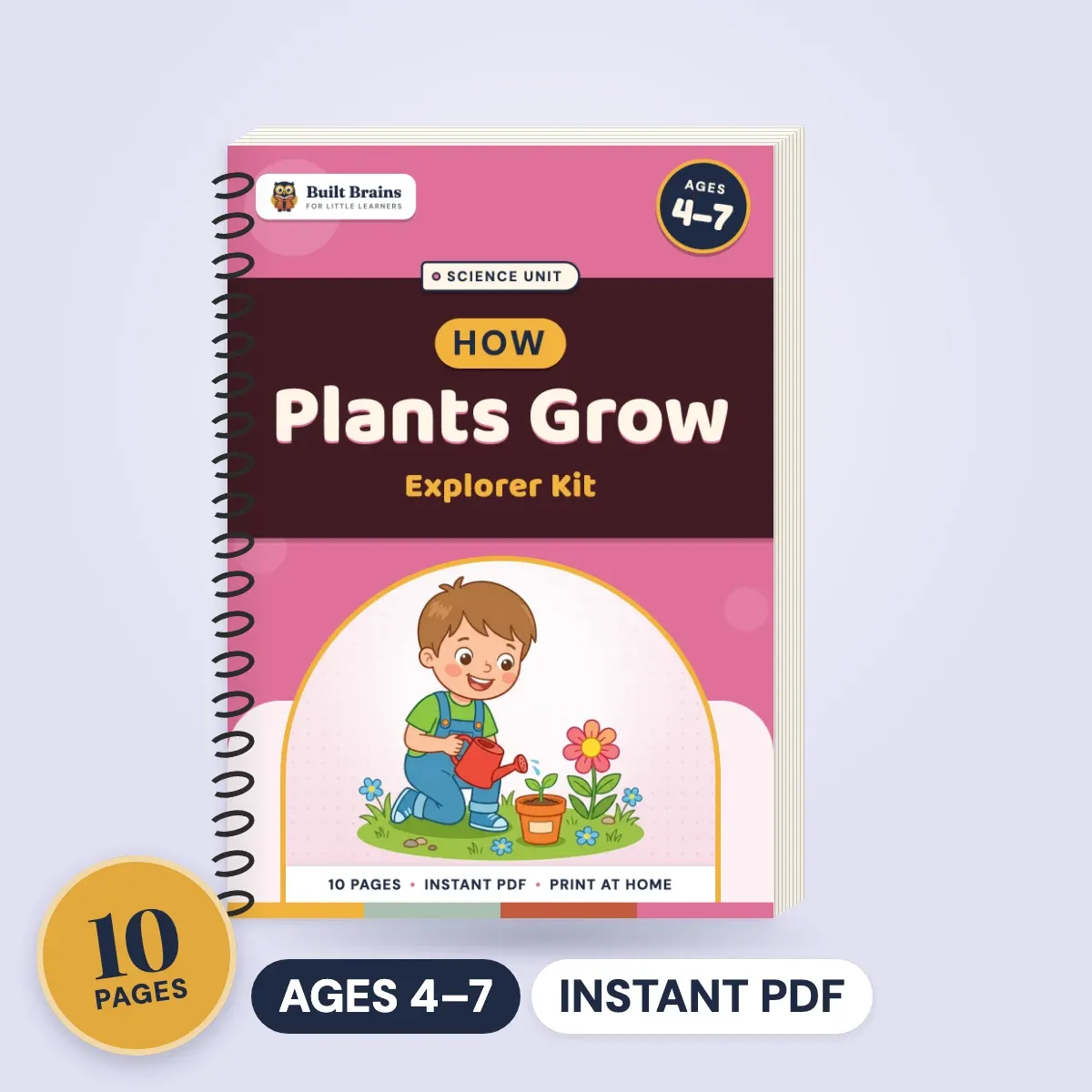
- How Plants Grow Explorer Kit: seed, sprout, seedling, flower.
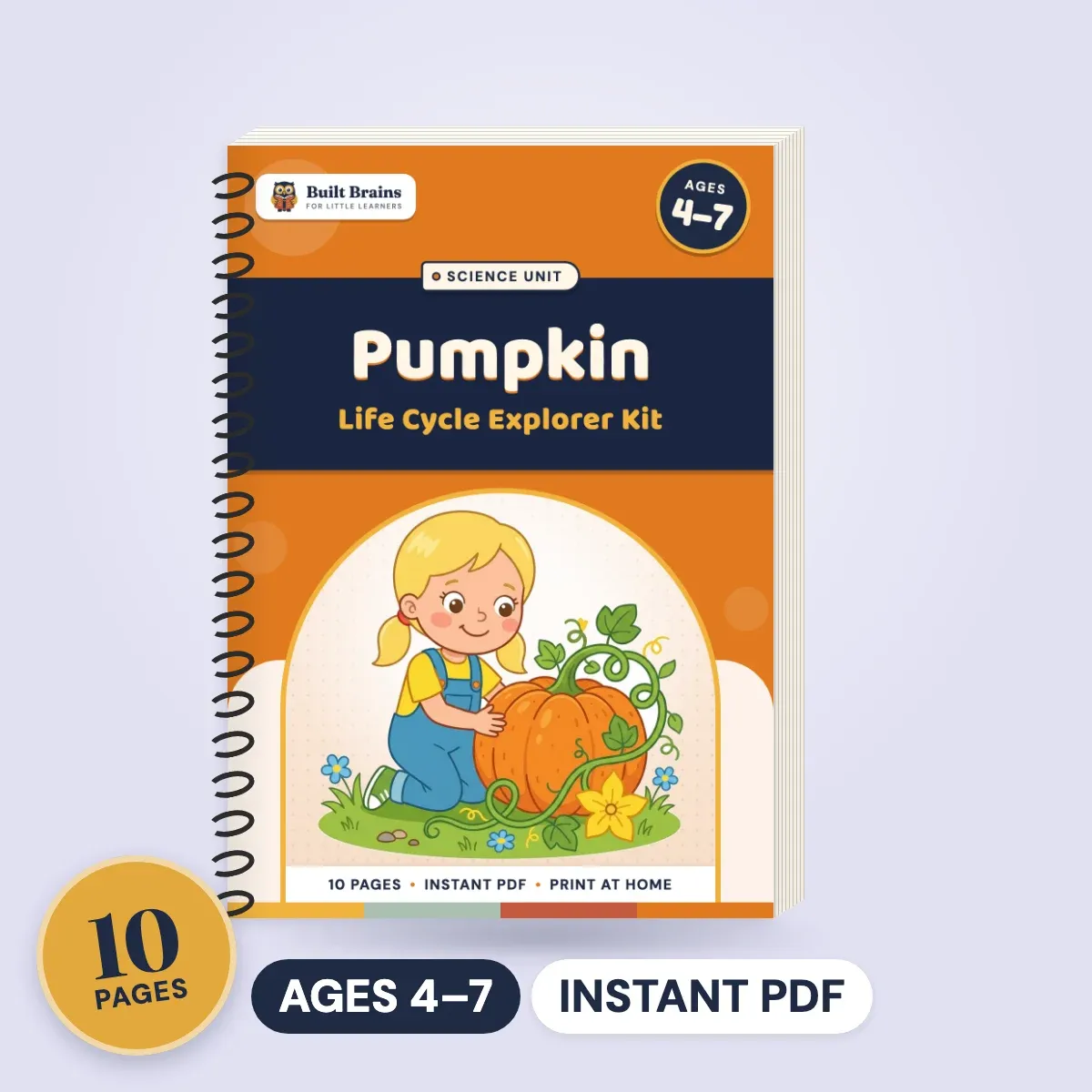
- Pumpkin Life Cycle Explorer Kit and Apple Life Cycle Explorer Kit for fall; pair them with fall activities for preschoolers.
- Chicken Life Cycle Explorer Kit: egg, hatching, chick, hen.
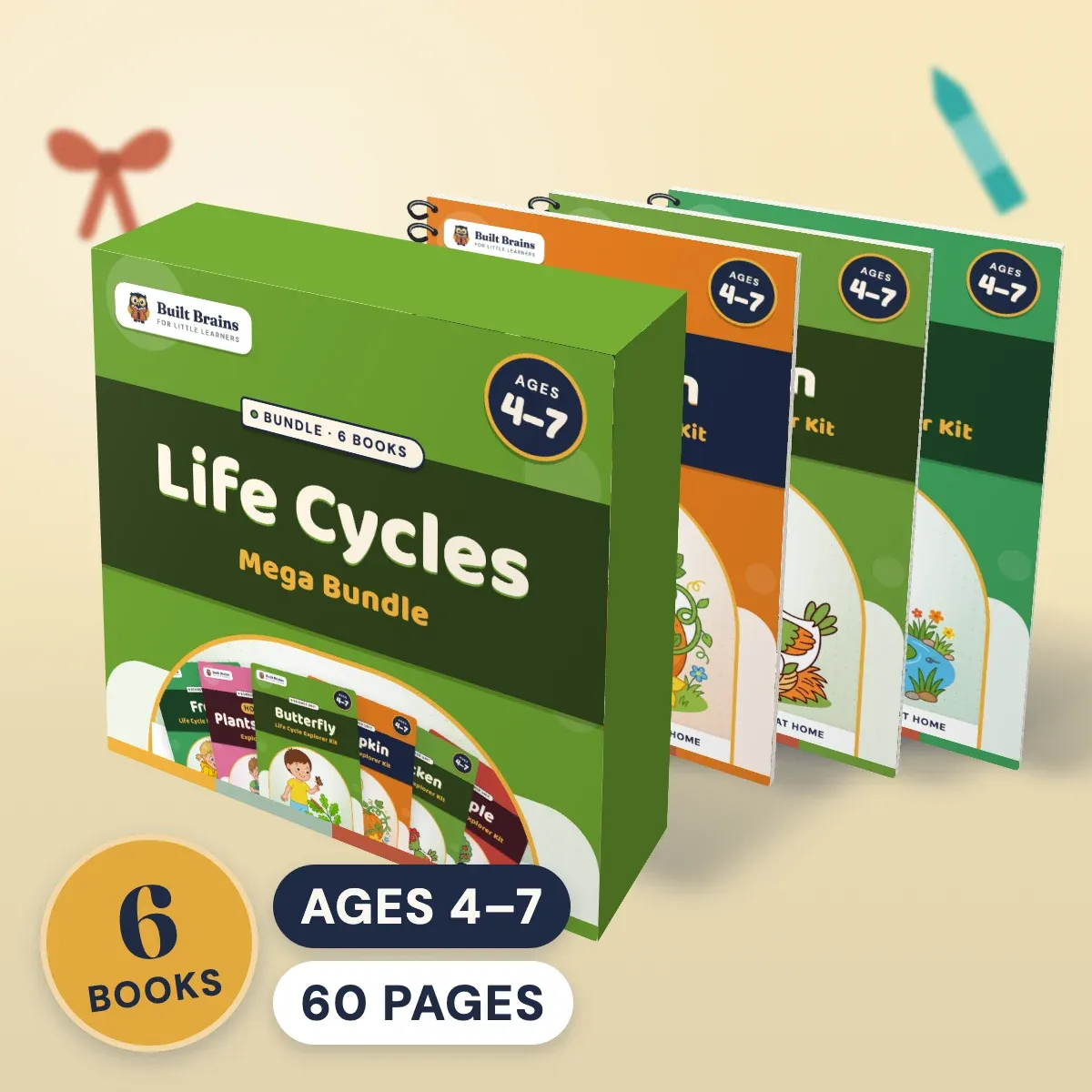
- Life Cycles Mega Bundle: all six kits in one download, the simplest option if you plan to run life cycles through the year.
Butterflies, frogs and plants all peak in spring, so this block pairs naturally with spring activities for preschoolers and the planting ideas in Earth Day activities for kids.
Sources
- National Geographic Kids – Monarch Butterfly — the monarch's egg, caterpillar, chrysalis and adult stages, their timings and the role of milkweed.
- Woodland Trust – Common Frog — spawning in early spring, tadpoles hatching after about three weeks and the change to froglets over the following weeks.
- National Geographic Kids – Amphibians — frogs as amphibians that live both in water and on land.
- Royal Horticultural Society – Grow Your Own Runner Beans — sowing, germination and growing beans, a reliable seed for children to plant.
Questions parents ask
Egg, caterpillar, chrysalis, butterfly. The scientific words are larva for the caterpillar and pupa for the chrysalis, and the whole change is called metamorphosis. A monarch goes from egg to adult in about a month: the caterpillar eats milkweed for about two weeks, then spends roughly nine to fifteen days inside the chrysalis.
Egg, tadpole, froglet, frog. Frogs lay their eggs in jelly-like clumps in shallow water in early spring. Tadpoles hatch with tails and no legs and breathe through gills. Over the following weeks they grow back legs, then front legs, and the tail shrinks away to leave a small froglet that can live on land.
Grow a bean in a clear jar against damp paper towel so the root and shoot are visible, and plant a sunflower in a pot at the same time. Name the stages as they happen: seed, sprout, seedling, plant, flower, then new seeds. A sequencing page or wheel afterward fixes the order, and the sunflower head in fall shows where the next seeds come from.
Three year olds enjoy the story and the acting out; four to seven is the sweet spot for sequencing, the vocabulary (larva, pupa, metamorphosis) and keeping an observation journal. Raising caterpillars or growing a bean works at any age with an adult doing the daily care, and children under 4 should handle live animals only with help.
Plants are the easiest: a bean in a jar sprouts within days. Butterflies come second, since painted lady caterpillar kits are widely sold in spring and take about three weeks. Frog spawn should be observed in the wild or in a school pond rather than collected, and chicks need an incubator and a plan for the hens afterward.
Reviewed by
Forest School Leader & Early Years Educator
Lucy Graham is a certified Forest School Leader who uses the natural world as a classroom to build resilience, motor skills, and environmental awareness in early learners.
More about Lucy →