
What is the best homeschool preschool curriculum?
There is no single best one. There is a best fit for your child and your household. A curriculum you enjoy and open four days a week will teach more than an impressive one that sits on a shelf.
A good homeschool preschool curriculum usually has:
- Short daily lessons, around 10 to 20 minutes, with no expectation of long seat work.
- A clear sequence, so skills build week to week instead of jumping around.
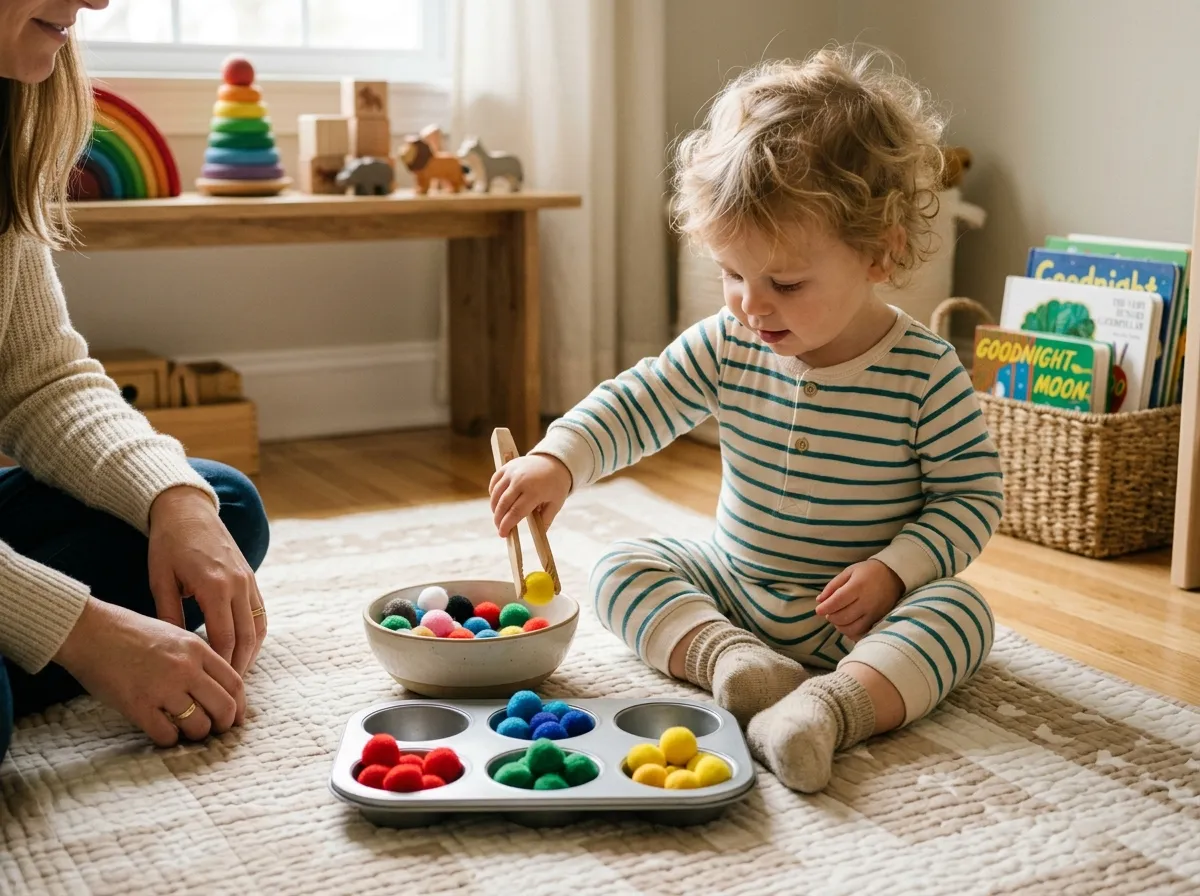
- Hands-on activities alongside any pages: counting real objects, play-dough, sorting, cutting.
- Plenty of reading aloud built into the plan.
- Plans written for parents, so you can open the week and go without training.
- Flexibility, so a missed day or a sick week doesn’t throw everything off.
Anything that promises reading by age 3 or needs an hour of worksheets a day is aiming at the wrong target.
What should a preschool curriculum include?
Look for coverage of the same areas early-years frameworks use, such as the Head Start Early Learning Outcomes Framework in the US and the EYFS in England.
Language and early literacy
- Daily stories and conversation
- Rhymes, songs and listening games that train the ear
- Letter recognition, and letter sounds for older preschoolers
- Recognizing and beginning to write their own name
Early math
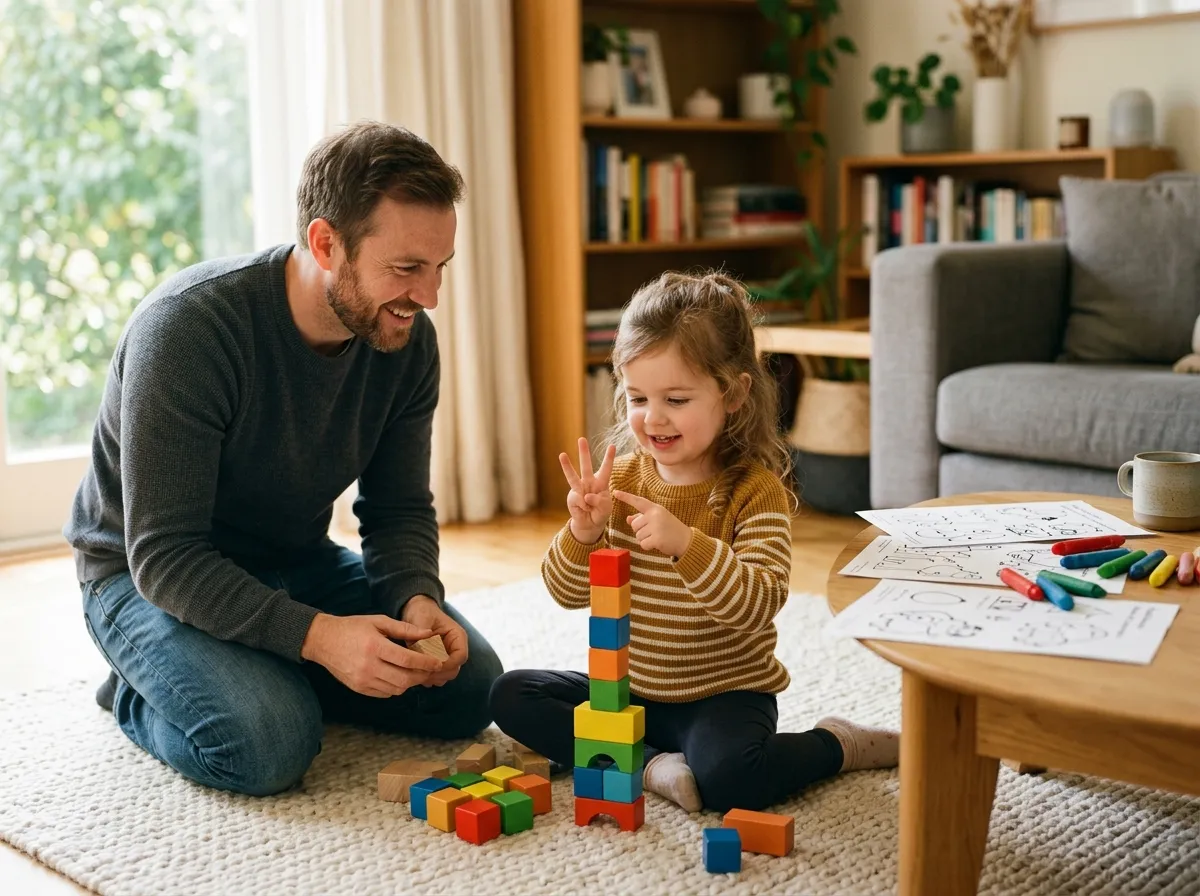
- Counting objects, not only reciting numbers
- Comparing more, fewer, bigger, smaller
- Shapes, colors, sorting and simple patterns
- Numerals, usually to 10 at 3 and toward 20 by 5
Fine motor
- Coloring, tracing lines before letters, cutting, gluing, threading and play-dough
Thinking, science and the world
- Themes like seasons, animals, weather, family and community
- Noticing, asking questions and talking about what they see
Social, emotional and self-care
- Naming feelings, taking turns, following a routine, and doing small jobs independently
If a program covers only letters and numbers, you can easily add the rest through play and outings. If it covers only crafts, you may need to add a clearer letters-and-numbers thread.
Types of preschool curriculum: which style suits your family?
| Type | What it looks like | Good for | Watch out for |
|---|---|---|---|
| Play-based | Activity ideas, games and themes, few or no worksheets | Active children, parents who like to improvise | Can be light on sequence; easy to drift |
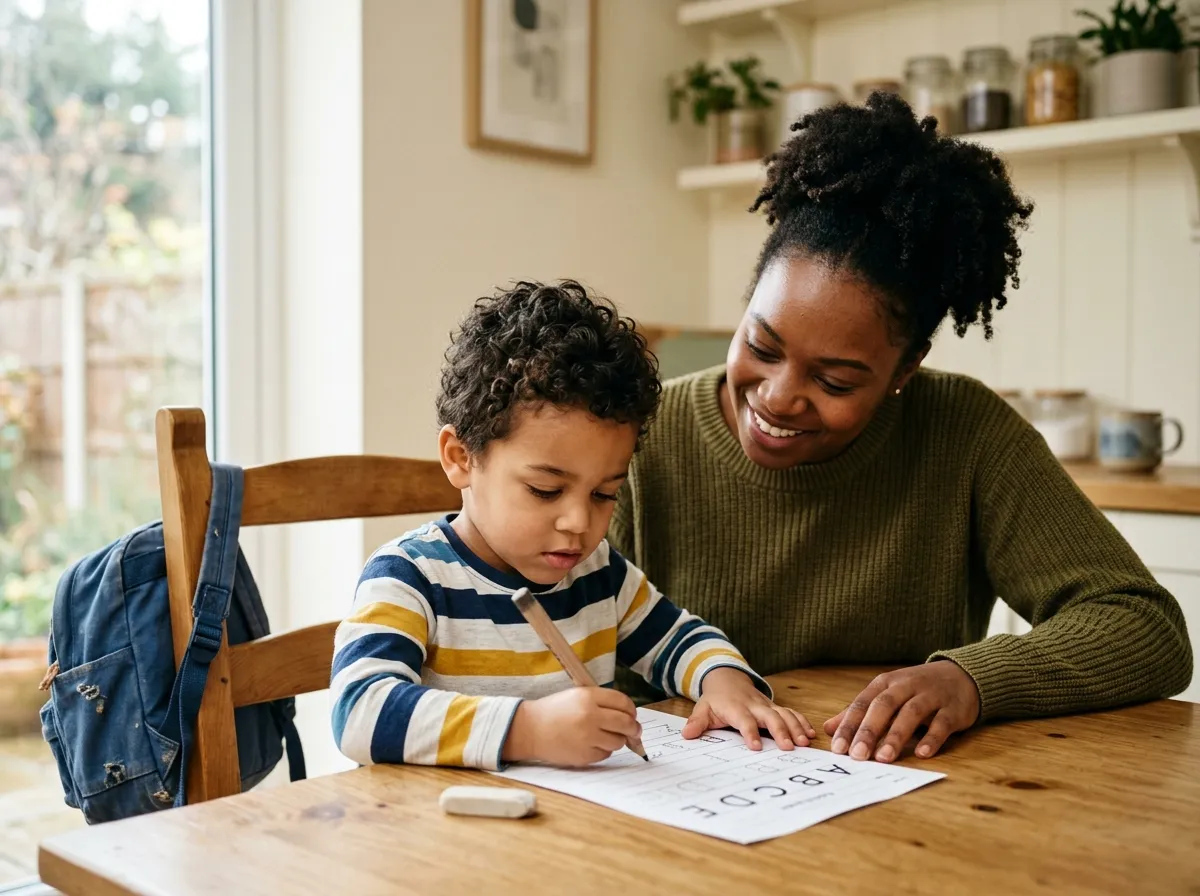
| Workbook | Bound books of pages, one after another | Children who enjoy pencil work, busy weeks | Too much seat work for young 3s |
| Montessori-inspired | Trays, real materials, practical life tasks | Hands-on learners, calm independent work | Materials take time and money to set up |
| Literature-based | A picture book each week with linked activities | Families who love reading | Letters and math can be thin |
| Printable all-in-one | Weekly plans plus pages you print at home | Parents who want it planned but flexible | Needs a printer and ink or print shop |
Many families mix styles: a printable or workbook spine for letters and numbers, plus library books and free play for everything else. That is a perfectly good approach.
Preschool curriculum for 3 year olds vs 4 year olds
For 3 year olds
Keep it light. Look for big, simple pages, lots of hands-on play, first counting to 5 or 10, colors, shapes and a few letters. About 10 to 15 minutes a day is plenty. Many 3 year olds are still happier with a toddler-style program. For a sense of what is typical at this age, see what a 3 year old should know.
For 4 year olds
Four year olds can usually handle 15 to 20 minutes a day and a bit more structure: every letter and its sound, hearing first sounds and rhymes, counting 10 objects, numerals to 10 or 20, cutting on a line and tracing. If your child will start kindergarten at 5, a pre-K program that ends with first blending and simple adding may suit better than a general preschool one.
Mixed ages
With a 3 and a 5 year old, choose a program with themes both can share (read the same book, do the same craft) and let each do their own level of pages.
How much does a preschool curriculum cost? Free vs paid
Prices vary widely, but they fall into rough bands:
- Free: library books, free printable packs and free online plans. Costs you time and printing.
- Low cost: printable curricula and workbook sets, often in the tens of dollars for a full year.
- Mid range: printed and bound workbook programs or literature-based guides plus the books.
- Higher end: boxed kits with manipulatives, toys and materials delivered, which can reach a few hundred dollars or more.
Don’t forget the hidden costs: ink, paper, laminating, craft supplies and any books the plan assumes you own.
Is a free preschool curriculum enough?
Honestly, yes for many families, especially for 3 year olds. What you pay for with a curriculum is mainly planning and sequence: someone has decided what comes first, written the weekly plan and made pages that match. If you enjoy planning, free resources plus the library can work well. If planning is what stops you starting, paying for it is reasonable.
A good way to decide is to try a sample first. Our free printable book gives you a feel for the page style and how your child responds before you spend anything.
A checklist for choosing a preschool curriculum
Before you buy, ask:
- Does it match my child’s age now, not the age I wish they were?
- How many minutes a day does it expect? Aim for 10 to 20.
- Is the daily plan written out, or will I be planning myself?
- Is there a clear order for letters, numbers and fine motor skills?
- What else do I need? Printer, specific books, manipulatives, a laminator?
- How long does it run? A school year is usually about 36 weeks.
- Can I see sample pages or a full sample week before paying?
- Is it flexible if we skip days or move faster on some skills?
- Does it fit our values and style, from play-based to structured?
- What is the refund policy if it doesn’t suit?
If you can answer most of these confidently, you have found a good fit.
A sample week of homeschool preschool
This week uses a theme of “farm animals”, the letter M and the number 3. Each focused block is 15 to 20 minutes.
- Monday: Read a farm picture book. Meet M: say /m/, find it in the book, trace a big M with a finger. Color a cow page.
- Tuesday: Sound hunt for things that start with /m/ (milk, mug, mitten). Sort picture cards into “M” and “not M”.
- Wednesday: Number 3: count three toy animals into a “barn” box, show three fingers, trace the numeral 3.
- Thursday: Fine motor: cut straight “fence” lines, make play-dough pigs, thread three beads on a pipe cleaner.
- Friday: Pattern with animal cards (cow, pig, cow, pig), a matching game, then a quick look back at M and 3.
Around it: outdoor time, a trip to see real animals if you can, audiobooks at quiet time and two or three bedtime stories. For timings across the whole day, see our preschool at home schedule.
One option: our Complete Preschool Curriculum at Home
Since this is our blog, here is our own option, described plainly so you can judge whether it fits.
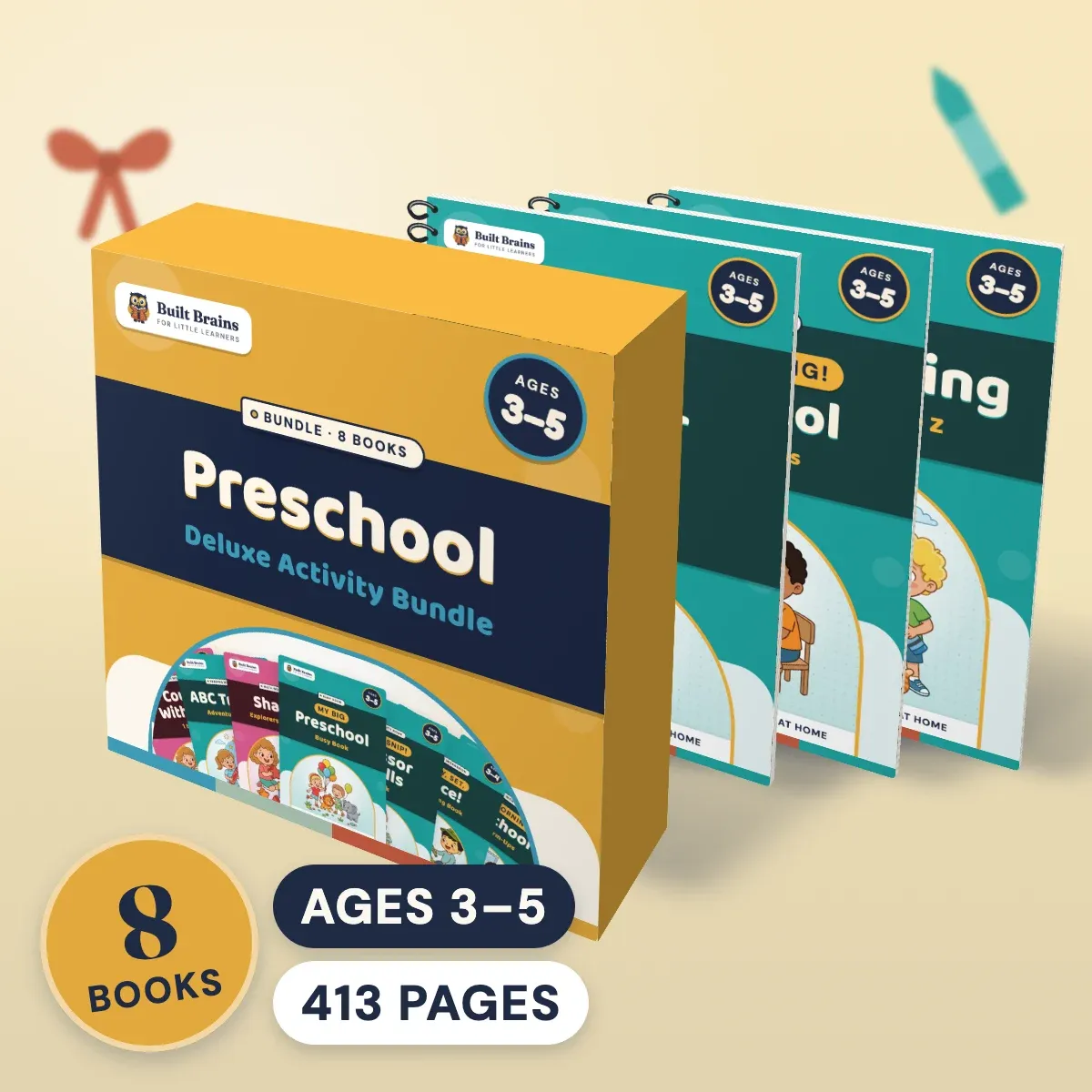
The Complete Preschool Curriculum at Home is a 36-week printable program for ages 3 to 5, in about 20 minutes a day. It covers letters A to Z, numbers 1 to 20, fine motor and thinking skills, with three student books and a Parents’ Guide that writes out every weekly plan. Pages are black and white, so they print cheaply and double as coloring.
It may suit you if you want the planning done, like a letter-and-number-a-week rhythm and are happy printing at home.
It may not suit you if you want a boxed kit with manipulatives, a screen-based program, a strictly worksheet-free approach, or you don’t have access to a printer.
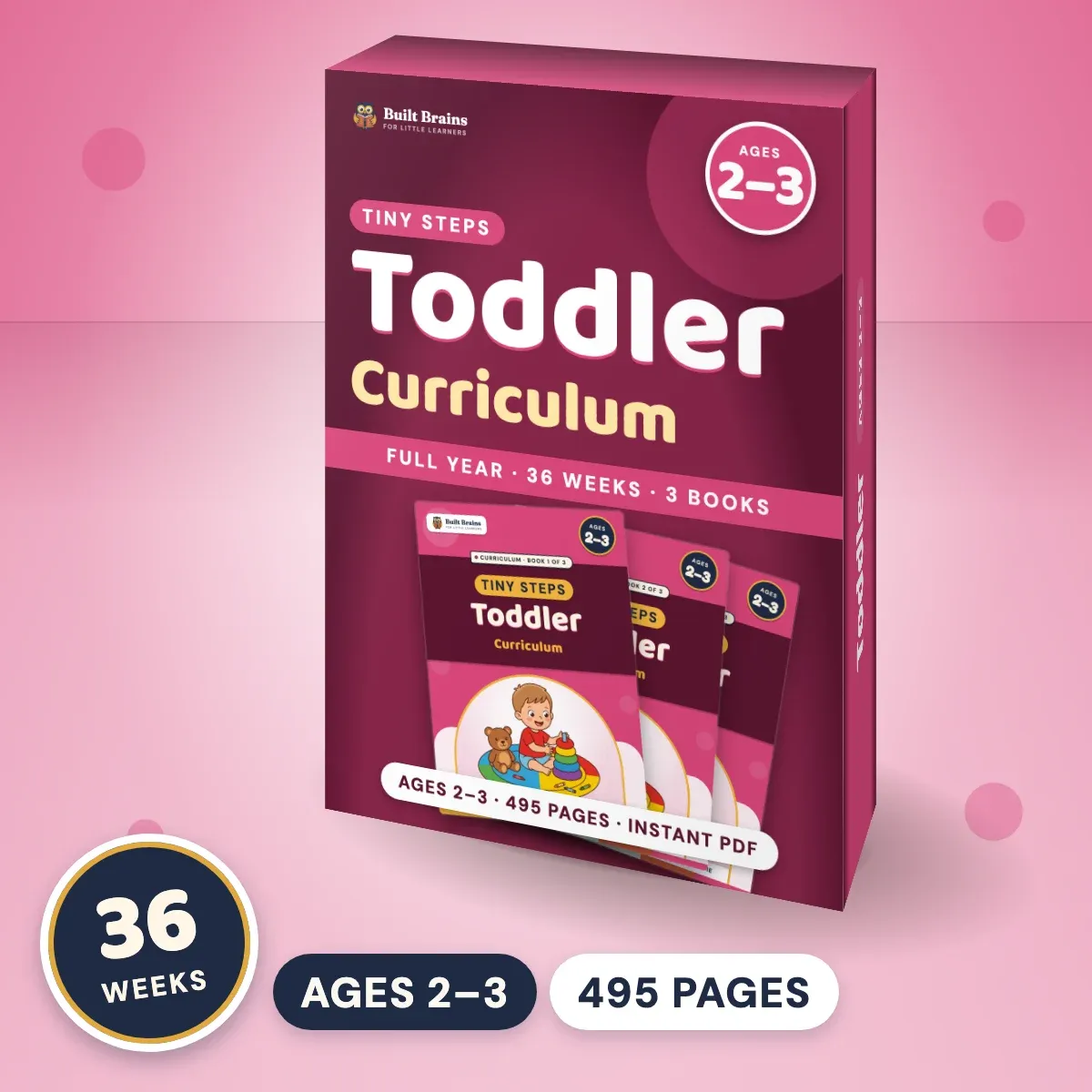
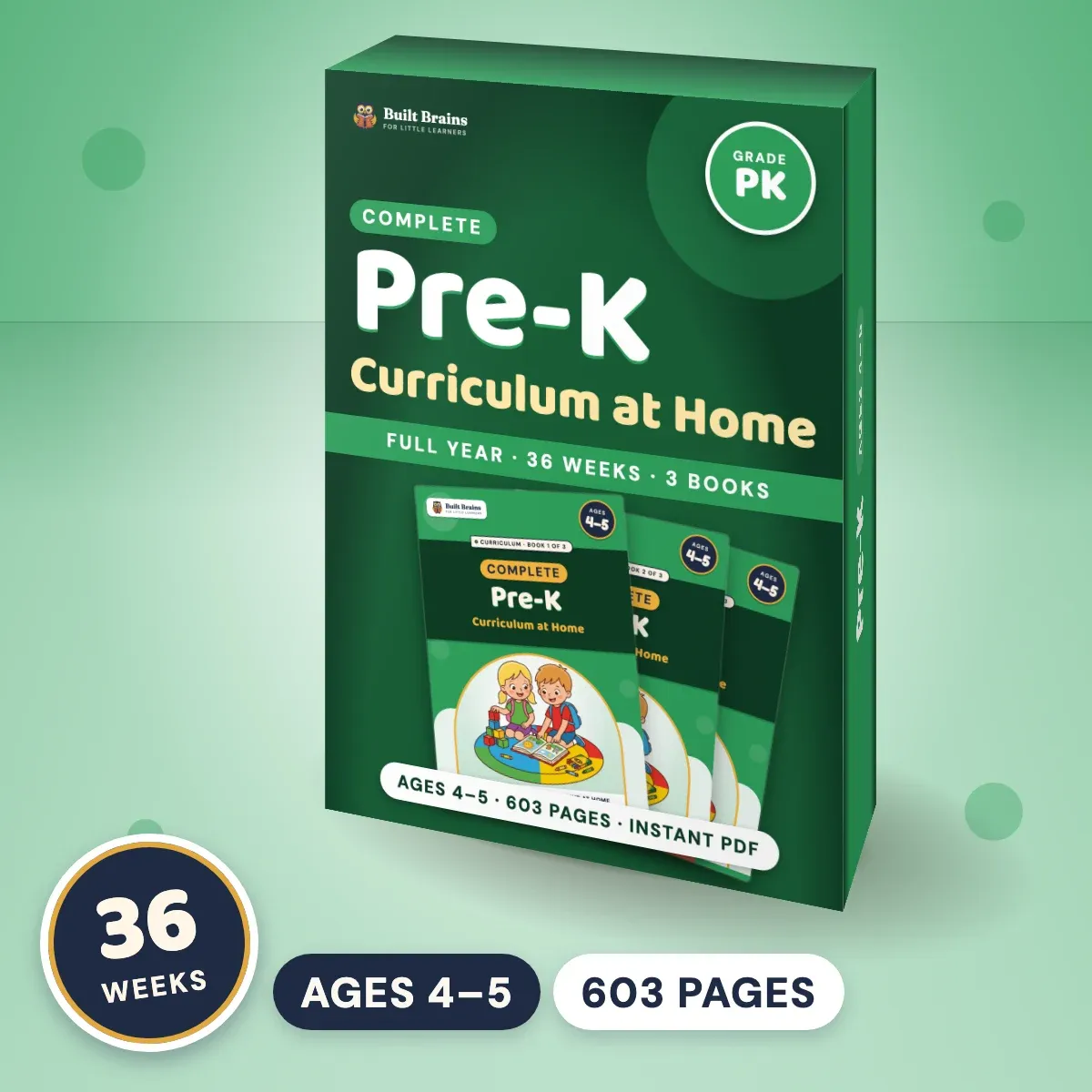
For younger children, the Tiny Steps Toddler Curriculum is a gentler 36-week year for 2 and 3 year olds in about ten minutes at a time. For the year before kindergarten, the Pre-K at Home Curriculum goes further, into letter sounds, first blending, sight words and numbers to 20.

Ages 3–5 · 813 pages
Complete Preschool Curriculum at Home36 weeks, planned down to the day
 New
NewAges 2–3 · 495 pages
Tiny Steps Toddler Curriculum36 playful weeks of colors, shapes, numbers and first words
 New
NewAges 4–5 · 603 pages
Complete Pre-K Curriculum at Home36 weeks to kindergarten-ready — letters, first reading and numbers to 20
Common mistakes when homeschooling preschool
- Starting too formal, too young. If your child resists every page, go back to play and try again in a few months.
- Buying three curricula at once. Pick one spine and give it a month before judging.
- Printing the whole year. Print one week at a time so the binder doesn’t become a guilt pile.
- Skipping the reading. Daily read-alouds matter more than any worksheet.
- Comparing to other children. Children develop at different speeds. Compare your child to themselves three months ago.
- Forgetting other children. Library story time, playdates and park groups give practice with sharing and waiting that home alone can’t.
Whatever you choose, keep it short, keep it kind and keep it regular. Browse more ideas for preschool ages 3–4 when you are ready.
Questions parents ask
No. Reading aloud every day, talking, playing, cooking and getting outside cover a great deal of preschool learning. A curriculum is useful if you want a plan so you are not deciding what to do each morning, or if you want to be sure letters, numbers and fine motor skills are covered in a sensible order.
It can be. Free plans and printables can cover the basics well. The trade-off is usually your time: finding, checking and printing materials, and filling gaps between sources. Try a free sample first, and pay for a curriculum only if you want the planning, sequence and pages done for you.
Far less than a classroom day. About 10 to 15 minutes of focused learning suits most 3 year olds, and 15 to 20 minutes suits most 4 year olds, split into short bursts if needed. The rest of the day is play, outdoor time, stories, meals and chores, which all count as learning at this age.
Preschool usually means ages 3 to 4 and focuses on talking, first letters, counting small groups, shapes, colors and hand strength. Pre-K is the year before kindergarten, around 4 to 5, and goes further: letter sounds, first blending, writing a name, numbers to 20 and simple adding and taking away.
Usually not. In most US states compulsory school age begins at 5 to 8, so preschool at home is generally unregulated, but rules vary by state, so check yours. In the UK, education is compulsory from the term after a child turns 5, so preschool at home needs no registration.