What is quiet time, and when do kids need it?
Most children drop their daytime nap somewhere between ages 3 and 5, although some stop earlier and a few keep napping into kindergarten. The American Academy of Pediatrics, drawing on sleep medicine guidance, says children aged 3 to 5 need about 10 to 13 hours of sleep in 24 hours, naps included. When the nap goes, that total shifts to nighttime, but the afternoon slump often stays.
Quiet time fills that gap. Your child doesn’t have to sleep. They just have to stay in their room (or a set corner of the house) and play quietly. It gives them a real rest from the busy morning and gives you a break that, for many parents, is the only one in the day.
Signs your child is ready to swap the nap for quiet time
- They lie awake for most of nap time, most days.
- Napping pushes bedtime late, so they’re awake chatting at 9 p.m.
- They cope fine through the afternoon on the days they skip the nap.
If they fall asleep during quiet time, let them. That’s a sign they still needed the rest.
How long should quiet time be for a preschooler?
Aim for about an hour eventually, but don’t start there. A child who has never played alone for longer than ten minutes will not suddenly manage sixty. Build up in steps.
- Age 3: start at 15–20 minutes and work toward 45.
- Age 4: start at 20–30 minutes and work toward 60.
- Age 5: 45–60 minutes is usually realistic once the routine is set.
Add five minutes every few days once the current length feels easy. Use a visual timer or a toddler clock that changes color, so your child can see when it ends instead of calling out every two minutes to ask.
How to start quiet time: a step-by-step setup
- Pick the same time every day. Straight after lunch works for most families, when energy dips naturally.
- Pick one spot. Their bedroom is easiest. If they share a room, use a corner of the living room with a blanket or play tent to mark it out.
- Make the space safe. Your child will be alone, so anchor furniture, move anything they shouldn’t reach, and keep the door open or use a gate if that helps them feel secure.
- Prepare the activities in advance. A basket or box of chosen things, not the whole toy shelf. More on this below.
- Explain it simply. “Your body needs a rest after lunch. You don’t have to sleep. You can read, build or play with your quiet box in your room until the clock turns green.”
- Do a short warm-up together. Read one book with them, then leave. Starting side by side makes the handover less abrupt.
- Return calmly if they come out. Walk them back with few words: “It’s still quiet time. I’ll come get you when the clock is green.”
- Praise the effort afterward. Mention something specific they did: “You built such a tall tower in quiet time!”
Expect the first week to be bumpy. By the second or third week, most preschoolers treat quiet time as just part of the day, the way they treat brushing teeth.
How to make a quiet time box
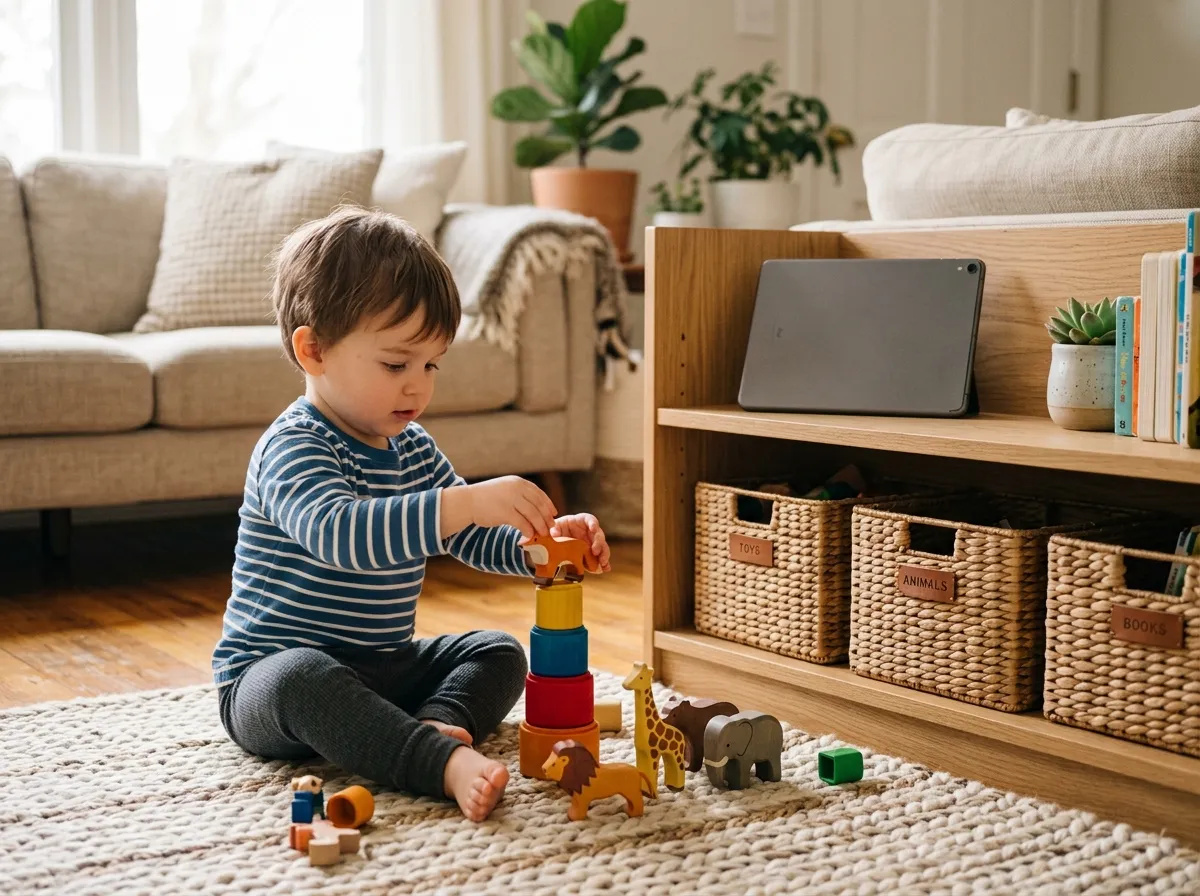
A quiet time box (or bin, or basket) is a small set of activities your child only sees during quiet time. Because the contents are special and change regularly, they hold attention far longer than the everyday toy shelf.
What to put in a quiet time box
- One or two independent paper activities: a busy book, a coloring book or a maze book.
- A small bag of crayons or washable markers.
- One building toy: magnetic tiles, Duplo or a small bag of wooden blocks.
- A puzzle at the right level (too hard leads to shouting for help).
- A few picture books, including a favorite they can “read” from memory.
- One fidget or sensory item: a small container of play-dough, pipe cleaners or lacing cards.
How to rotate quiet time boxes
Make three to five boxes and label them by day, or just number them. Rotate one each day so every box feels new again when it comes back around. Swap out one item every week or two, keeping the favorites and replacing whatever gets ignored. Theme boxes work well too: a dinosaur box, an ocean box, a vehicle box.
Why busy books are ideal for quiet time
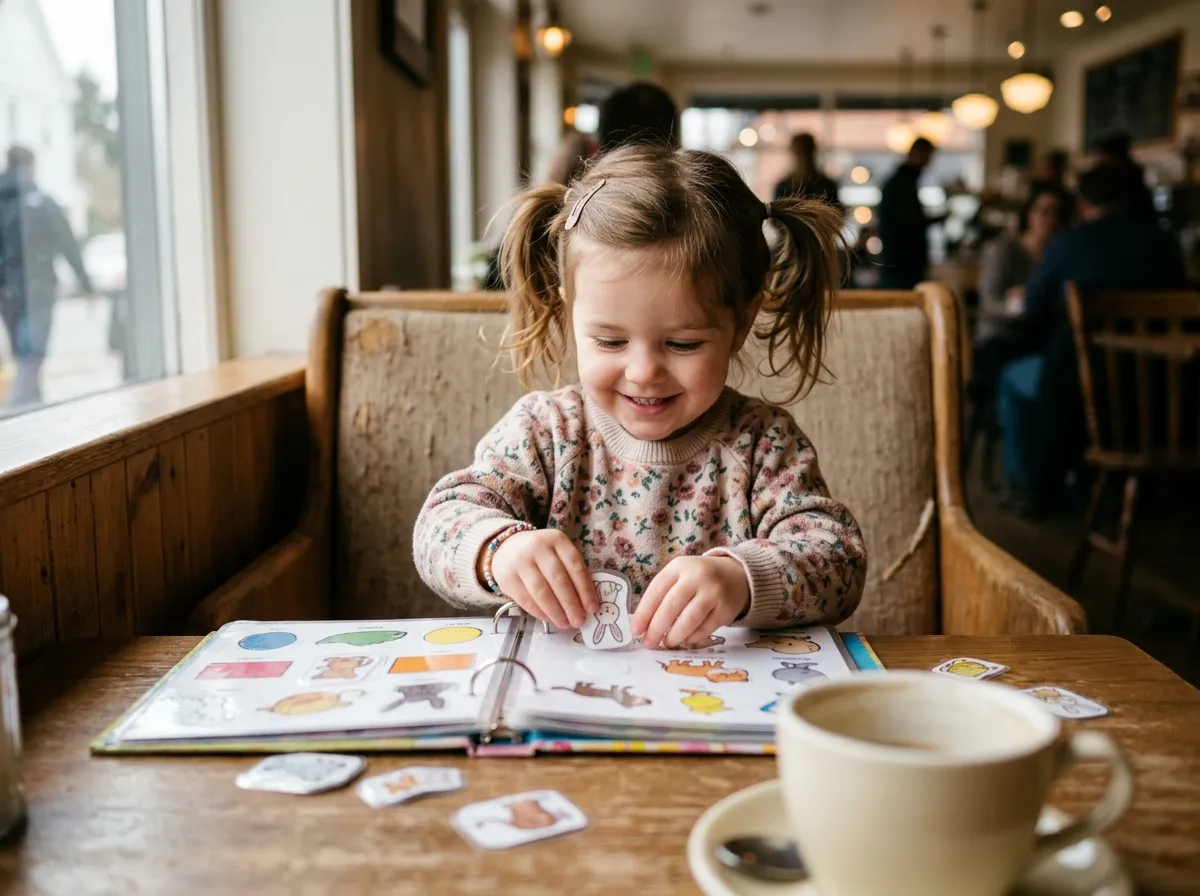
A good quiet time activity has to be self-explanatory. Busy books work because each page is a small, finishable task: color the picture, trace the path, count the objects, find the match. A 3 or 4 year old can move through several pages without calling you in, and there’s a real sense of “I did it.”
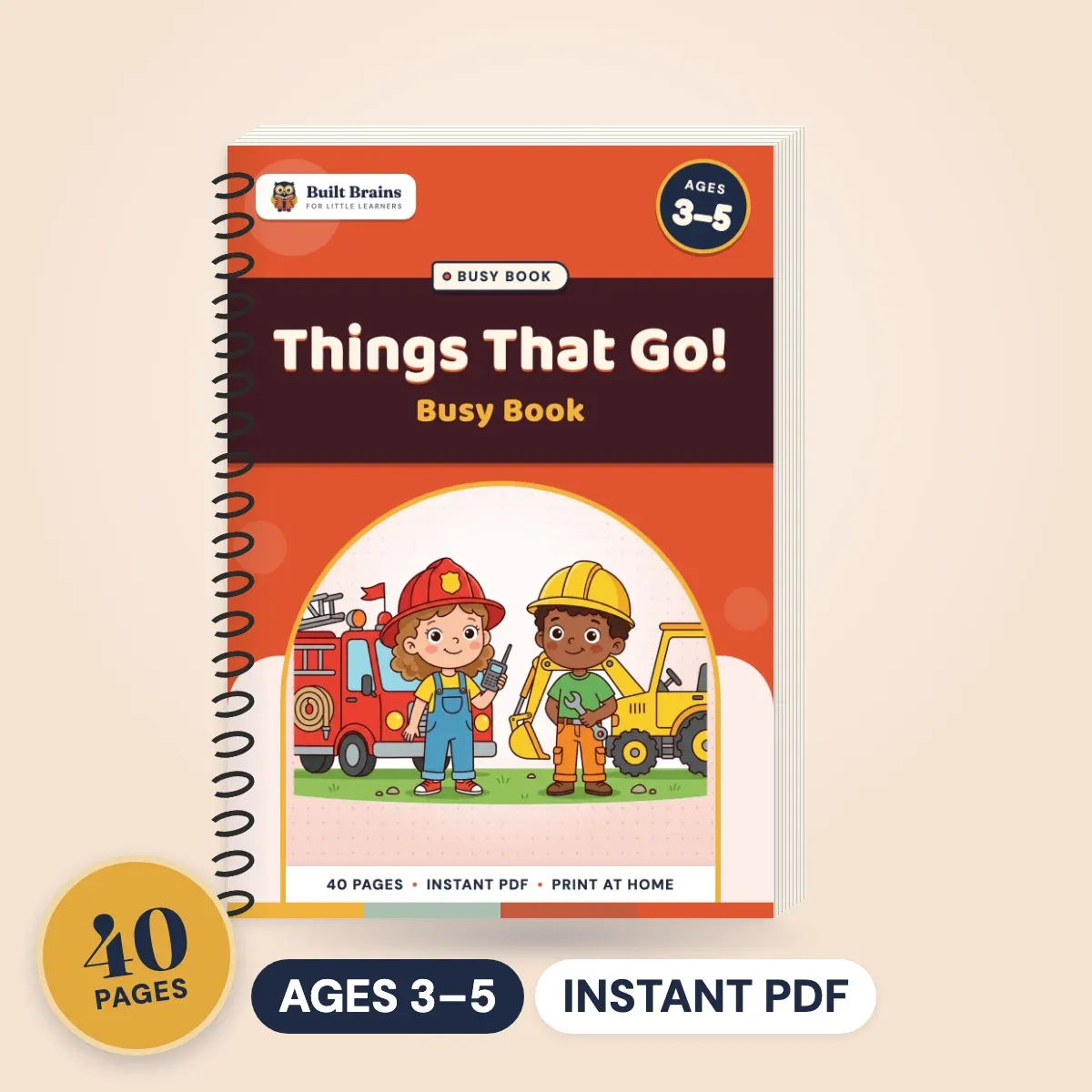
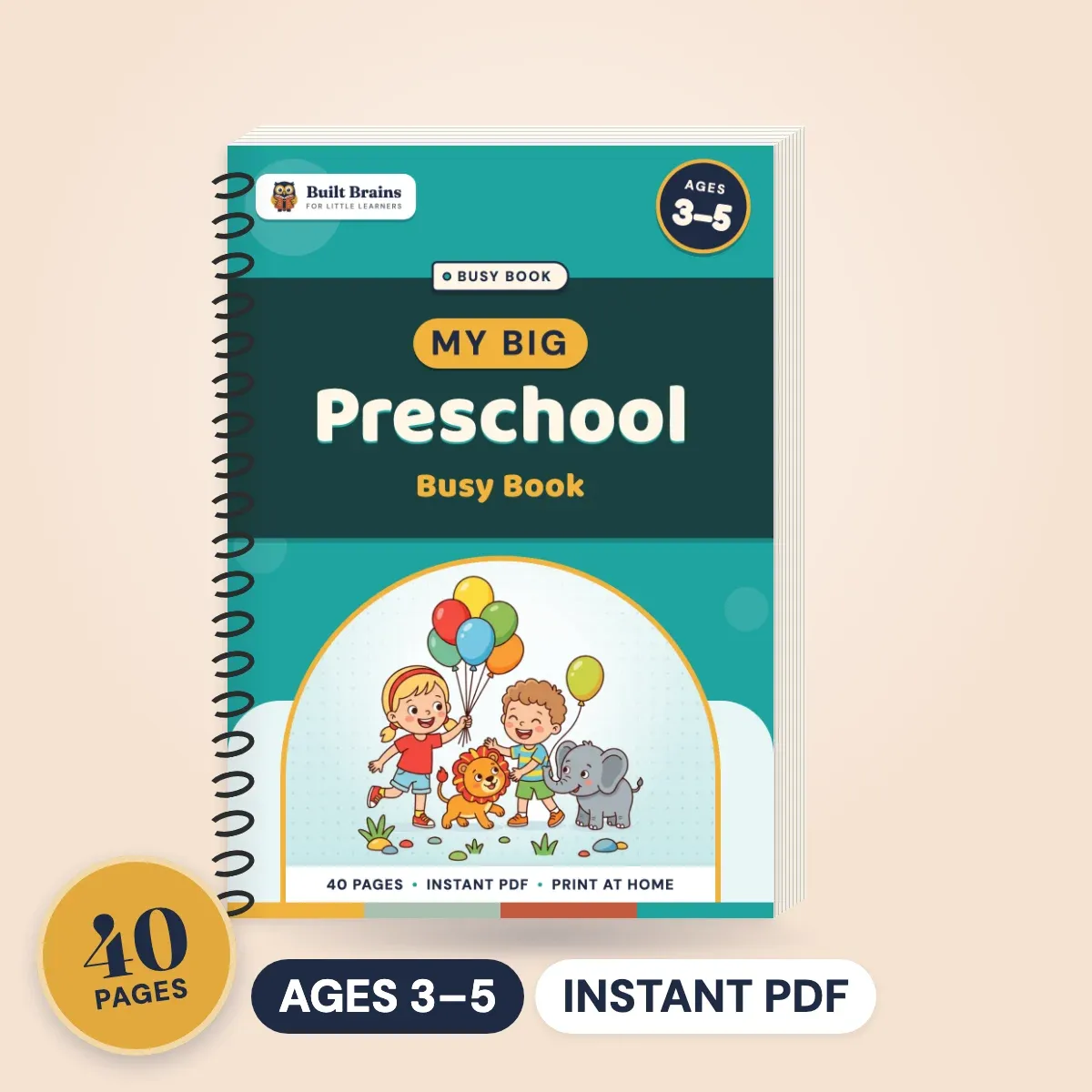
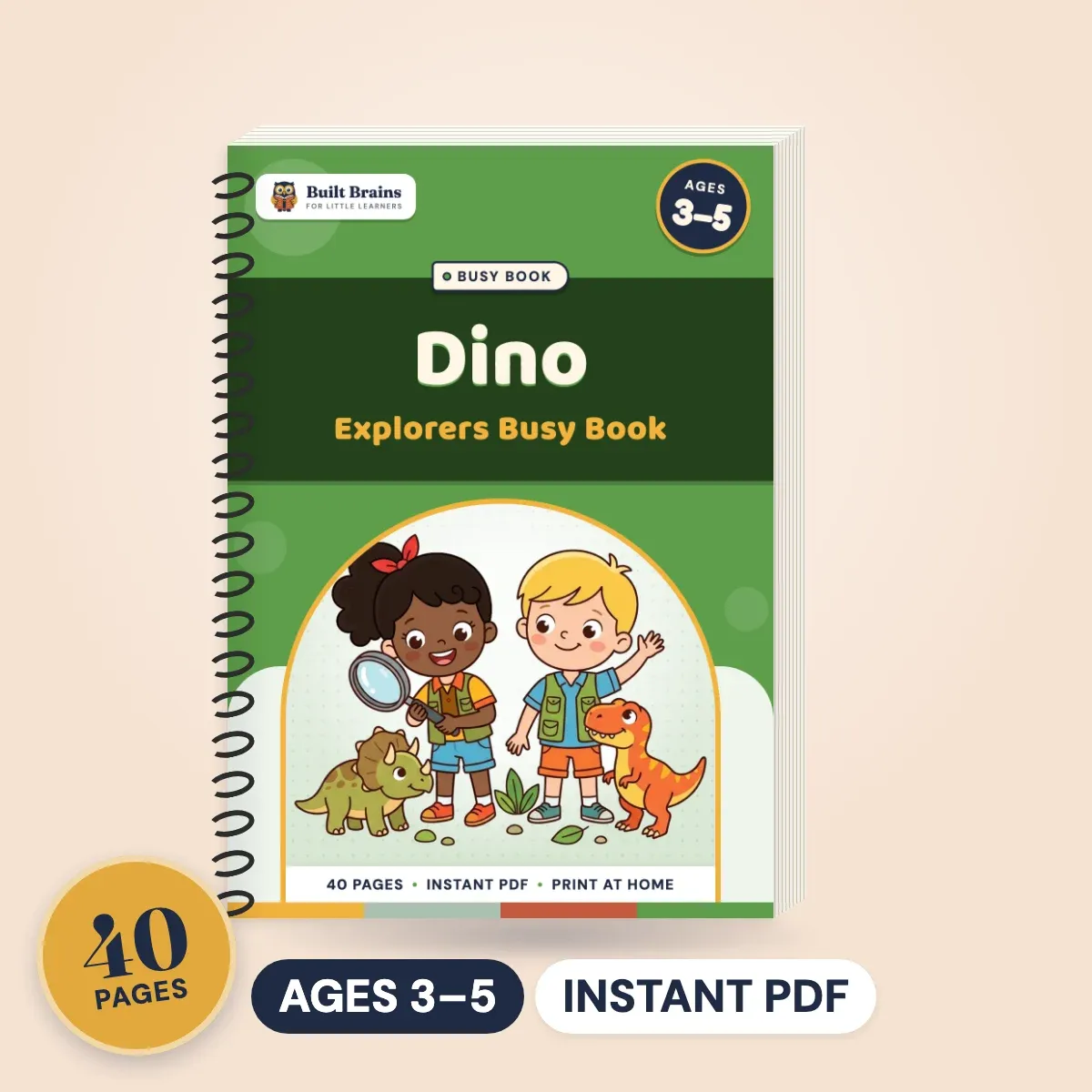
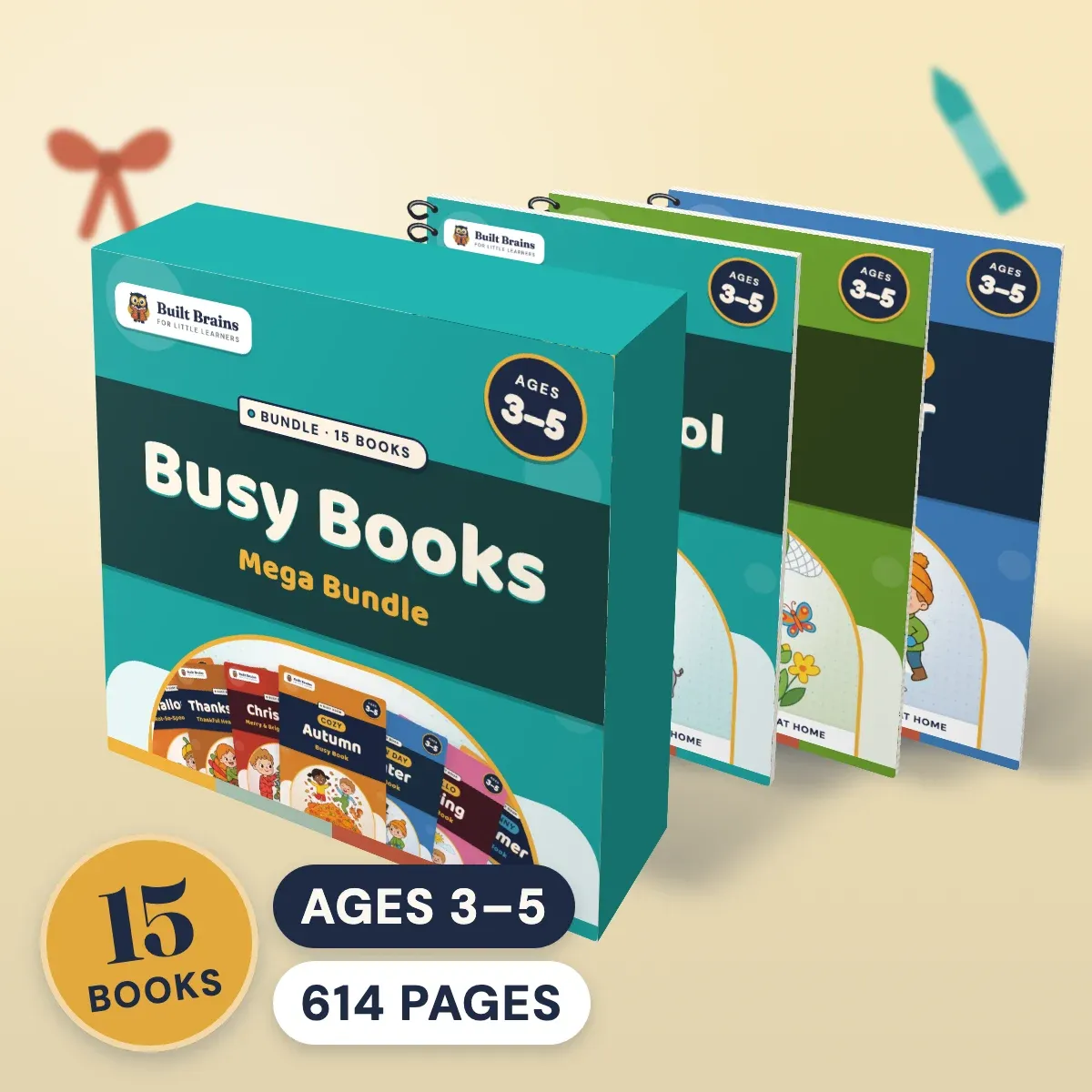
Our printable busy books are black-and-white PDFs you print at home on US Letter or A4, so you can print pages as you need them. The My Big Preschool Busy Book works all year, and there are themed ones for dinosaurs, vehicles, space, farm animals and each season in the busy books collection. If your child is into one topic, a themed book is a very easy win.
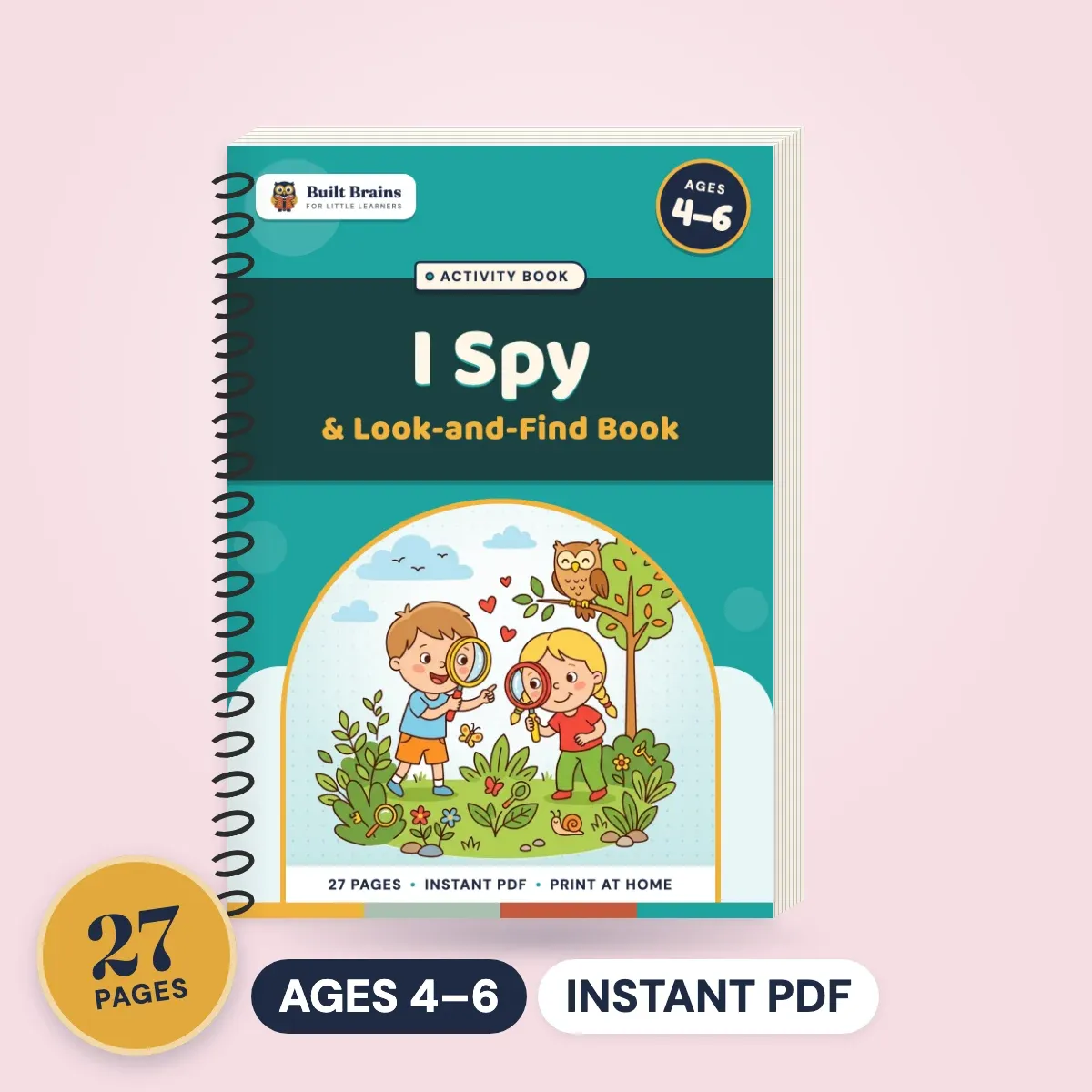
For children who like a bit more challenge, the Big Book of Mazes starts with small, friendly mazes and gets twistier, and the I Spy & Look-and-Find Book is good for kids who like searching.
25 quiet time activities preschoolers can do alone
Paper and pencil
- Busy book pages (color, trace, count, match)
- Coloring pages with a new set of crayons
- Mazes and dot-to-dots
- Look-and-find and I Spy pages
- Sticker scenes or a sticker book
- Drawing on a clipboard in bed
- A “letter” to a grandparent (scribbles count)
Building and hands-on
- Magnetic tiles or wooden blocks
- Duplo or Lego (age-appropriate pieces only)
- Play-dough with a few cookie cutters
- Lacing cards or big beads on a string
- Jigsaw puzzles
- Sorting a bag of pom-poms or buttons into a muffin tin (only for children past the mouthing stage)
- A small train track
Pretend play
- A basket of small animal figures
- Dolls or soft toys having a “tea party”
- Dress-up clothes
- A toy doctor kit to check teddy
- Cars and a play mat
Books and listening
- A stack of picture books
- Audiobooks or story podcasts on a simple speaker
- Calm music while they play
- “Reading” a familiar book to their stuffed animals
- Looking through a family photo album
- A flashlight and a book in a blanket fort
Notice that none of these are screens. Many families use quiet time to reduce daily screen use, and our guide to screen time for toddlers covers how to make that switch without a battle.
What if my child won’t stay in quiet time?
Almost every child tests the new rule. Here are the common problems and what usually works.
- They keep coming out. Shorten the time so they can succeed, then build back up. Return them calmly each time with the same short sentence. Avoid long discussions at the door.
- They say they’re bored. Check the box. It may be too familiar or too hard. Swap in something new and tell them about it at lunch so they look forward to it.
- They make a huge mess. Limit the box to a few items and make tidying up part of quiet time: “When the clock turns green, everything goes back in the box.”
- They’re lonely or anxious. Stay in the room for the first few minutes, sit nearby folding laundry, or give them a family photo to keep. Leave gradually over a week or two.
- Siblings disturb each other. Separate spaces are best. If that isn’t possible, give each child their own box and a spot on opposite sides of the room.
If your child seems very tired, very clingy or unhappy for weeks, check in with your pediatrician. Sometimes a child who resists quiet time is simply not ready to drop the nap.
Can quiet time include learning?
Yes, as long as it’s something your child can do without you. Tracing lines, simple mazes, counting pages and coloring all build the same hand strength and attention that school needs. Save anything new for time together, and use quiet time for practice of things they already know.
If you’re teaching at home, our Preschool at Home curriculum keeps the teaching part to a short session together, which leaves quiet time free for independent play. You can start with a free printable book to see what your child enjoys.
Questions parents ask
There isn’t a set age. Many families keep quiet time until children start full-day school around 5 or 6, and some keep a shorter version on weekends for years. It’s useful as long as your child comes out calmer and you get a rest. It also works well for older kids as reading time.
Start with 15 to 20 minutes and build up slowly, adding five minutes every few days once your child manages the current length. Many 3 year olds can work up to about 45 minutes. A visual timer or color-changing clock helps them understand when quiet time will end, which cuts down on interruptions.
No. During a nap the goal is sleep. During quiet time your child stays in one calm spot and plays independently, with no pressure to sleep. If they do drift off, that’s fine, and it may mean they still need a nap on some days, especially after busy mornings.
Choose four to six things your child can use alone: a busy book or coloring pages with crayons, a building toy, a puzzle at the right level, a few picture books and one sensory item like play-dough or lacing cards. Keep the boxes for quiet time only, and rotate between several to keep them interesting.
It’s your call, but most families find quiet time works better without screens. Screens make it harder to stop at the end and don’t build independent play skills. The AAP and WHO both advise limiting screen time for 2 to 5 year olds to about an hour a day, so quiet time is a natural screen-free slot.