How much screen time should a toddler have?
Here is what the two main bodies actually say, in plain terms. Both count TV, tablets, phones and computers, and both treat video calls with family differently from watching shows.
American Academy of Pediatrics (AAP)
- Under 18 months: avoid screen media other than video chatting.
- 18 to 24 months: if you introduce screens, choose high-quality programs and watch them with your child rather than letting them watch alone.
- Ages 2 to 5: limit screen use to about one hour a day of high-quality programming, ideally watched together so you can talk about what you see.
- All ages: keep mealtimes and bedrooms screen-free, and switch screens off at least an hour before bed.
World Health Organization (WHO)
- Under 2: sedentary screen time is not recommended.
- Ages 2 to 4: no more than one hour a day of sedentary screen time, and less is better.
- The WHO pairs this with advice to swap sitting-and-watching time for active play, and for reading and storytelling with a caregiver.
Neither guideline says one extra episode on a sick day will harm your child. They describe a healthy daily pattern. If your toddler is well over the hour right now, you are in very good company, and the fix is gradual, not a cold-turkey ban.
Why screen time limits matter for 2 to 5 year olds
The reason behind the guidance is less about screens being poisonous and more about what they crowd out. Toddlers and preschoolers learn language mostly through back-and-forth talk with real people, and they build their bodies, hands and attention through play. An hour of cartoons is an hour not spent doing those things.
Pediatric guidance also links heavy screen use, especially near bedtime, to poorer sleep, and sleep is where a lot of a young child’s mood and behavior comes from. If screen time is a daily battle in your house, look at how evenings go before you blame your child’s temperament.
If you have concerns about your child’s speech, sleep or behavior, bring them up with your pediatrician. They can look at the whole picture, and screens are only one small part of it.
What to do instead of screen time: ideas by age
The honest reason most of us hand over a tablet is that we need ten minutes to cook, shower or answer an email. So the best screen-free activities are ones a child can do with little help. Match them to your child’s age.
Age 2
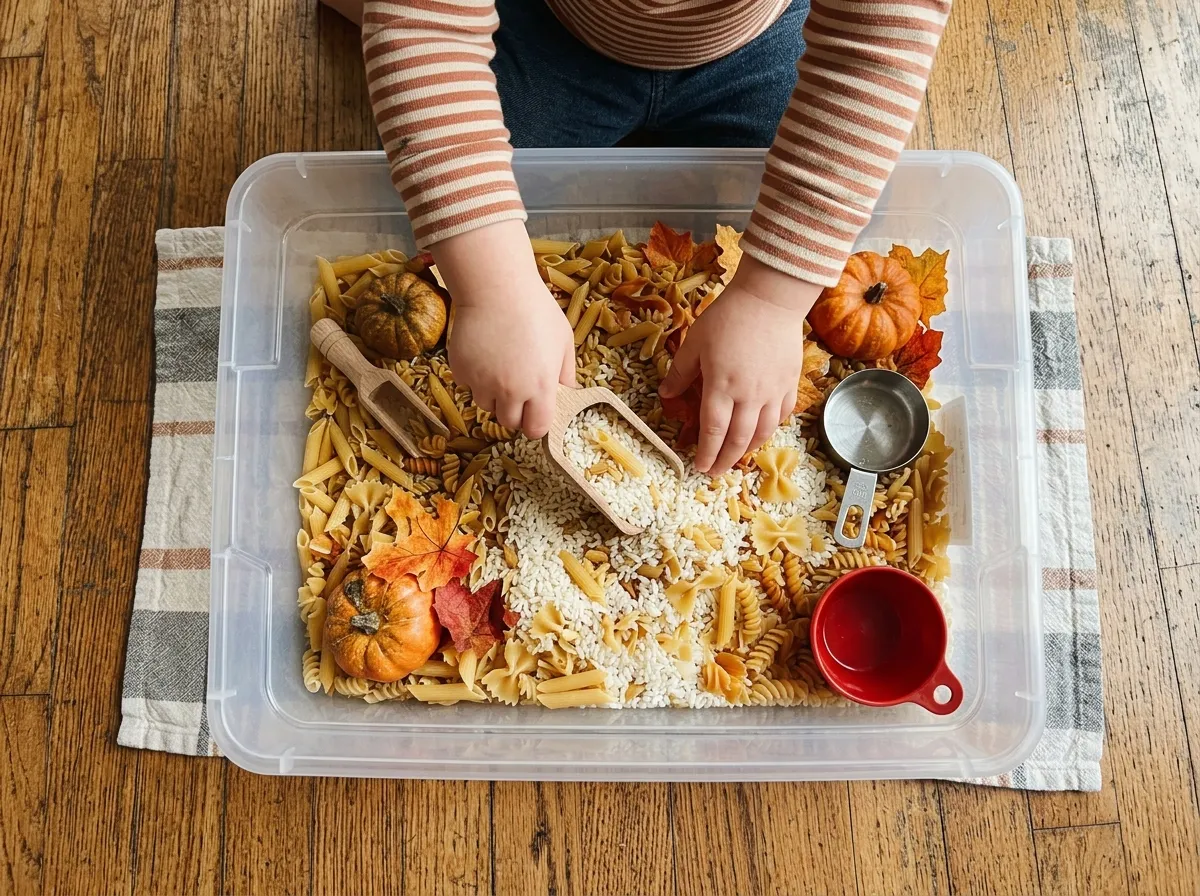
- A basin of water on a towel with cups, a funnel and a sponge.
- Board books in a low basket they can reach themselves.
- Big crayons and a single coloring page taped to the table so it doesn’t slide.
- Posting games: dropping pom-poms or clothespins into a tub with a hole cut in the lid.
- “Helping” jobs: washing plastic dishes, tearing lettuce, carrying laundry.
Age 3
- Play-dough with a rolling pin and cookie cutters.
- A simple busy book page: color, trace a line, count the pictures. Our Toy Box Busy Book is built for exactly this age.
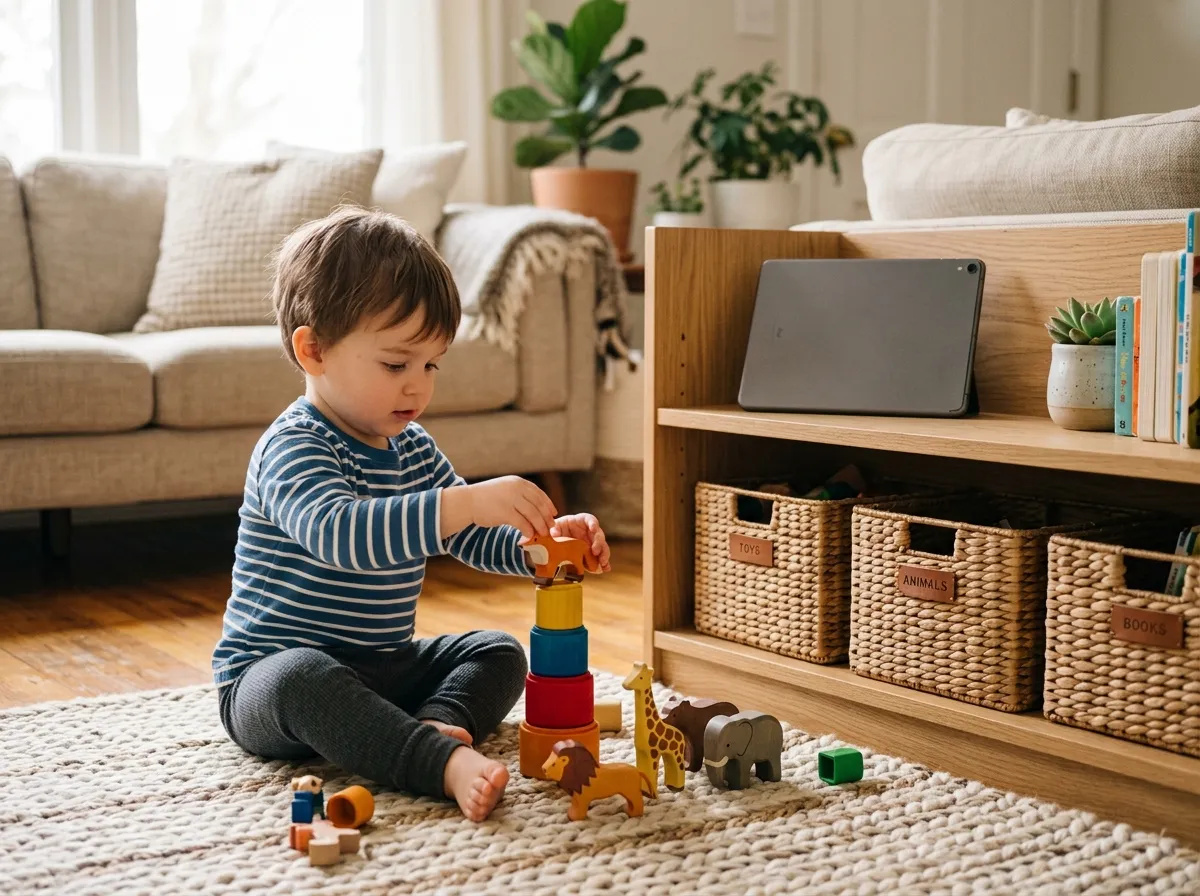
- Duplo, wooden blocks or magnetic tiles.
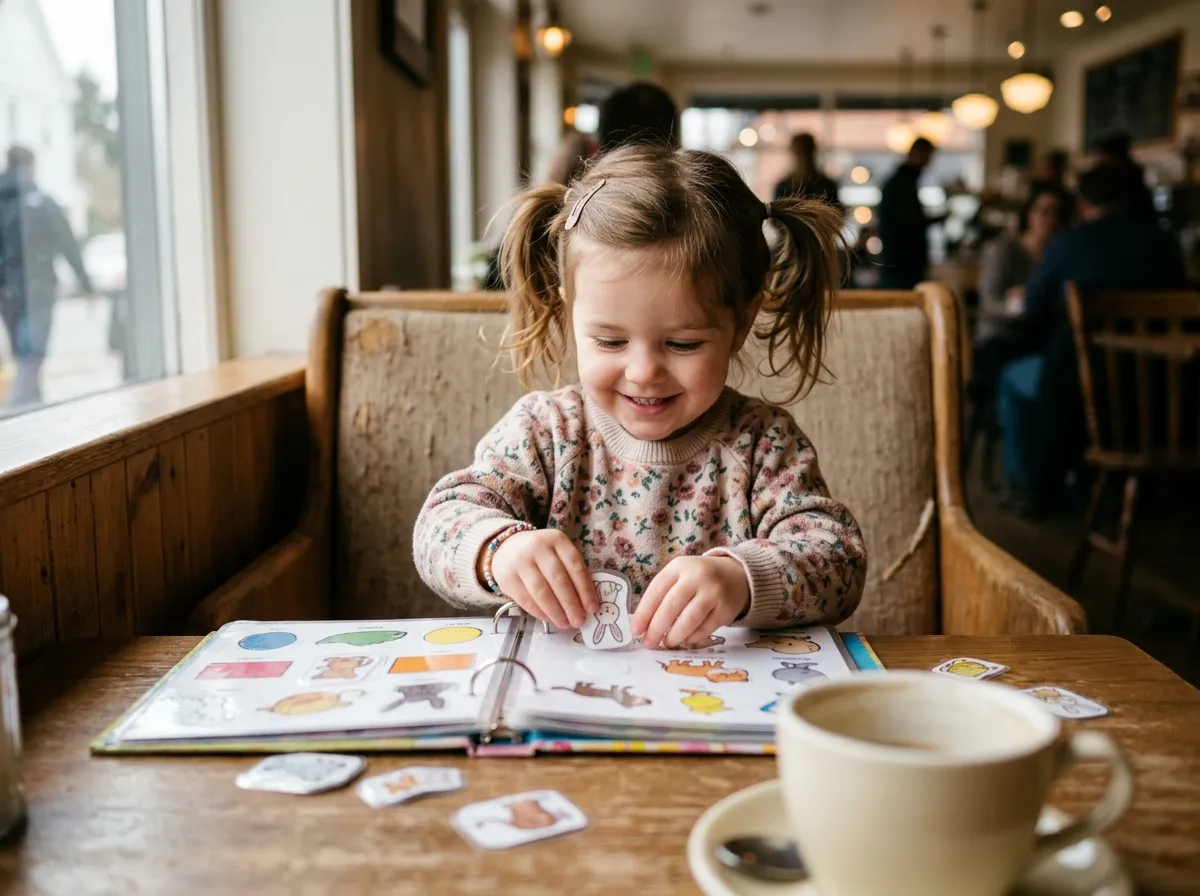
- Stickers on a sheet of paper (peeling them is great hand work).
- Audiobooks or music while they play, which gives them a story without a screen.
Ages 4 and 5
- Mazes, dot-to-dots and look-and-find pages they can finish alone.
- Pretend play with a “store” or “restaurant” set up on the sofa.
- Cutting and gluing: scissors, scrap paper and a glue stick.
- Movement breaks when energy is high. The Movement Challenge Cards turn “go burn it off” into a game.
- Drawing their own comic or a card for a grandparent.
For more ideas that keep a child busy while you get something done, see our guide to quiet time activities for preschoolers.



How to turn off the TV or tablet without a tantrum
Screens are designed to be hard to stop. Autoplay and endless feeds have no natural ending, which is why the switch-off moment is so explosive. You can give your child the ending the screen won’t.
- Decide the amount before it starts. “You can watch two episodes” is clearer to a 3 year old than “twenty minutes.” Turn off autoplay so the stopping point is real.
- Give a warning with a visual. Say “One more episode, then TV goes to sleep,” and show a sand timer or a kitchen timer they can watch.
- Have them press the button. Children resist less when they do the switching off. “Can you be the one to say goodbye to the TV?”
- Have the next thing ready. A snack, a walk, a bath or a busy book on the table gives the brain somewhere to go. “TV is done. Your farm page is waiting, want to see?”
- Name the feeling, hold the line. “You’re sad it’s over. You wanted more. It’s okay to be sad. The TV is still finished.” Say it calmly and don’t reopen the negotiation.
- Keep it boring and consistent. If crying sometimes wins another episode, crying will happen every time. Two or three weeks of calm follow-through usually shortens the protests a lot.
Is it okay to give a toddler a phone at a restaurant or when they’re crying?
Real life includes long waits, delayed flights and a toddler losing it in a grocery line. An occasional phone in those moments is not a failure. The habit to avoid is a screen becoming the only way your child knows how to wait or calm down, because waiting and calming down are skills that only grow with practice.
Restaurants and waiting rooms
- Pack a small “waiting bag”: a few crayons, a folded coloring page or two, stickers and a tiny toy.
- Play talking games: I Spy, “What will you order?”, counting the red things you can see.
- Order the child’s food first and ask for it to come out early.
- Save the phone as the last resort, not the first move. You’ll find you need it less often than you expect.
When your child is crying or upset
A screen can stop crying fast, but it skips the part where your child learns to settle. Try this order first: get down to their level, name the feeling (“You’re so frustrated, the tower fell”), offer a hug or some space, and give them something physical to do like a big breath, a squeeze or a drink of water. If you do reach for a screen, try to make it a calming song or a video call with a grandparent rather than a fast cartoon.
Your own phone habits: the part nobody wants to hear
Children copy what we do far more than what we say. A toddler who sees a parent scroll through dinner learns that phones belong at the table. Nobody is asking you to go off-grid, but a few small changes make a noticeable difference.
- Pick phone-free times that match your child’s rules: meals, the bedtime routine and the first ten minutes after pickup.
- Give the phone a home. A charging spot in the kitchen means you check it on purpose instead of carrying it everywhere.
- Narrate when you must use it. “I’m texting Grandma to tell her what time we’ll arrive.” It shows the phone is a tool, not a toy.
- Turn off non-urgent notifications. Fewer pings means fewer moments your child watches you disappear into a screen.
The AAP’s family media plan idea works here too: rules that apply to the grown-ups feel fair to a child, and fair rules get far less pushback.
What a screen-light day can look like
Here is one realistic day for a 3 or 4 year old at home. It isn’t a rulebook, just proof that the hour can fit in without a fight.
- Morning: breakfast, get dressed, outdoor play or a walk.
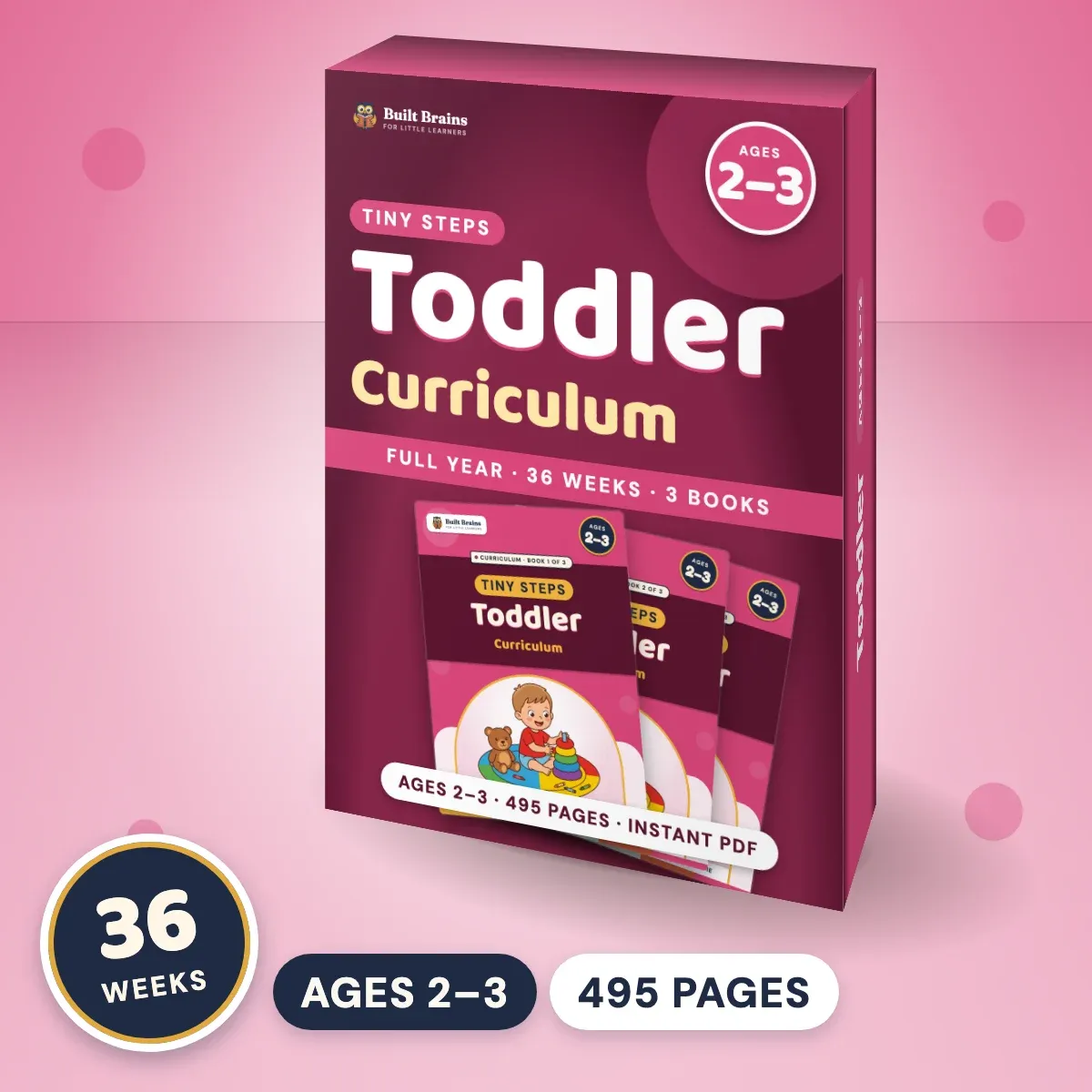
- Mid-morning: 15–20 minutes of a learning activity together, like a page from a curriculum or a few letters. Our 36-week Preschool at Home plan lays this out week by week.
- Lunch, then quiet time: books, a busy book or puzzles in their room.
- Afternoon: one show watched together (about 30 minutes), then play outside or a trip to the park.
- Before dinner: helping in the kitchen, or independent play while you cook.
- Evening: bath, books, bed. Screens off at least an hour before sleep.
If you’d like something to try this week, grab our free printable book and see how your child takes to a quiet paper activity in place of one screen session. You can find more ideas for this age on our toddler page.
Questions parents ask
The AAP and the WHO both suggest no more than about one hour a day of screen time for 2 year olds, and the WHO says less is better. The AAP recommends choosing high-quality programs and watching together so you can talk about what’s on screen. Video calls with family are treated differently from shows.
The AAP treats video chatting differently from other screen use, even for babies under 18 months, because it involves real back-and-forth conversation with a person your child knows. A call with grandparents is closer to a conversation than to watching a cartoon. Keep it interactive by letting your child show things and answer questions.
High-quality educational programs are the kind the AAP suggests if you do use screens with 2 to 5 year olds, but they still count toward the daily hour. Children learn far more from a show when a parent watches with them and talks about it afterward, so co-viewing matters more than the label on the program.
Cut back gradually. Trim one session at a time, turn off autoplay, and replace the dropped screen time with a specific, ready-to-go activity rather than “go play.” Expect protests for the first week or two. Staying calm and consistent is what makes the new routine stick, much more than the exact number of minutes.
The AAP recommends keeping screens out of bedrooms and switching them off at least an hour before bedtime. A predictable wind-down of bath, books and a song usually helps young children fall asleep more easily. If your child has ongoing sleep trouble, talk to your pediatrician.