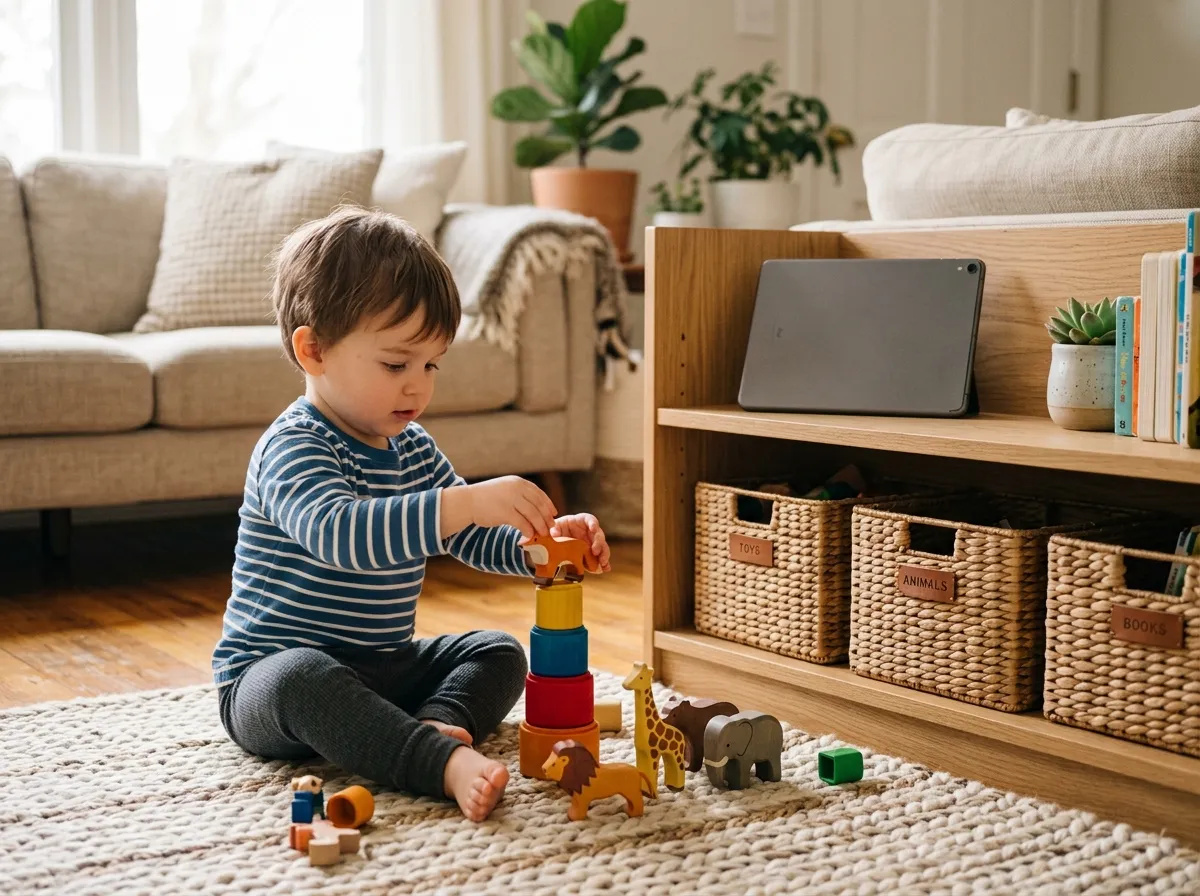
What are the best screen free activities for toddlers?
The best screen-free activities for toddlers are the ones you can actually set up when you need them: in the 20 minutes before dinner, in a restaurant, in the car, or when a sibling needs you. That is why this list is sorted by situation, not by toy type.
If you want the background first, our guide to screen time for toddlers covers how much is recommended at each age and how to turn the TV off without a tantrum. This article is the practical follow-up: what to hand your child instead.
Three things make almost any activity below work better:
- Keep it in reach, not on display. A basket your toddler can grab beats a shelf of toys they never touch.
- Start it, then step back. Sit with your child for the first minute or two, then move to your task nearby.
- Change it slightly. Adding cups to water play or animals to play-dough renews interest without anything new to buy.
5-minute fillers while you cook
These work at the kitchen floor or in a high chair or learning tower near you.
- Water basin. A shallow tub of water on a towel with a whisk, a funnel and two cups.
- Pots and lids. A low cupboard of plastic containers and lids to match and stack.
- Wash the vegetables. A bowl of water, a brush and some potatoes or carrots.
- Posting game. Cut a slot in a tub lid and hand over jar lids or large wooden coins to drop in.
- Tear the lettuce. A real job for the salad bowl.
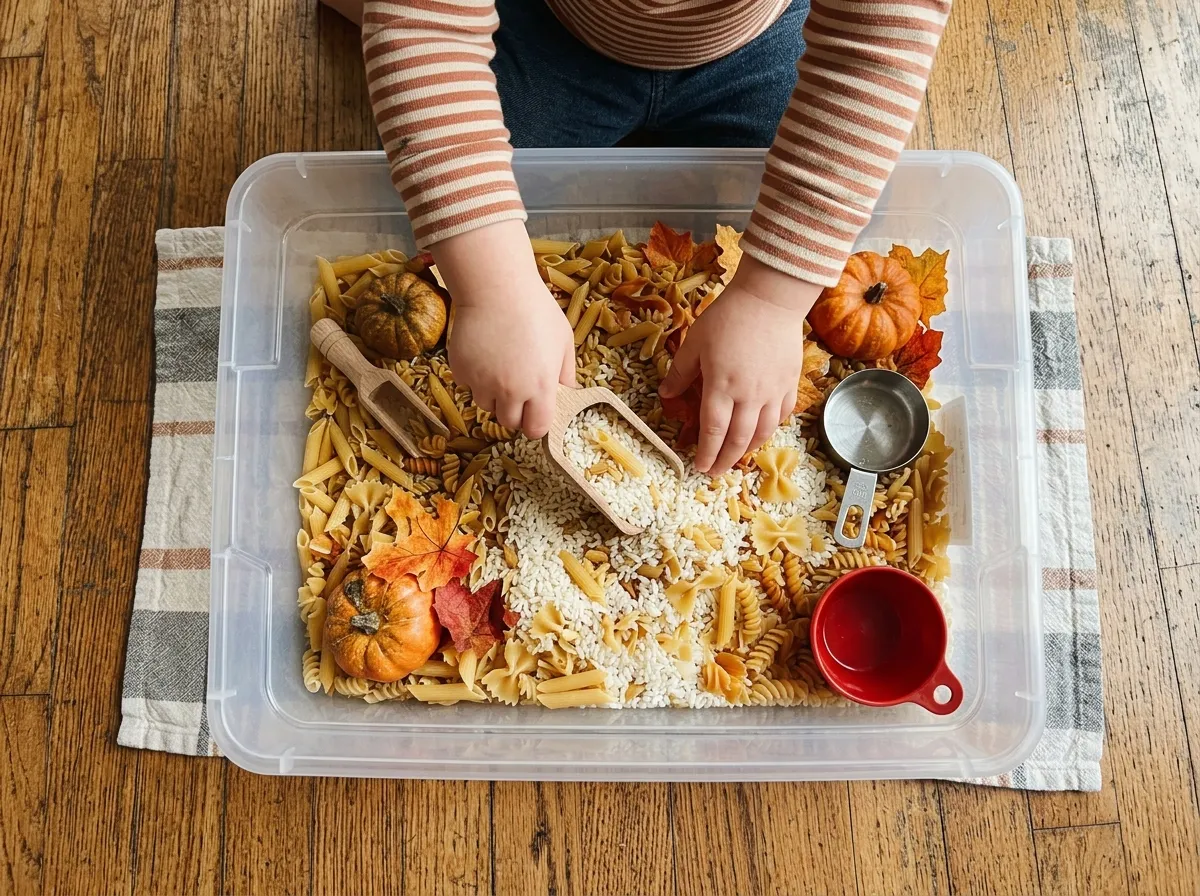
- Pasta sorting. Two shapes of dry large pasta and a muffin tin (for children past the mouthing stage).
- Play-dough at the counter. A ball of dough, a garlic press and a butter knife.
- Name the sounds. Toddlers guess what you are doing with their eyes closed: chopping, running water, the beep of the microwave.
Independent play ideas (things toddlers do on their own)
- Sticker sheets. Large stickers and a blank paper taped to the table.
- Blocks and a basket of animals. Build a "farm" or "zoo."
- Magnetic tiles or Duplo for older toddlers.
- Dress-up box. Hats, scarves, a bag and old shoes.
- Doll or teddy care. A blanket, a spoon, a cup and a small brush.
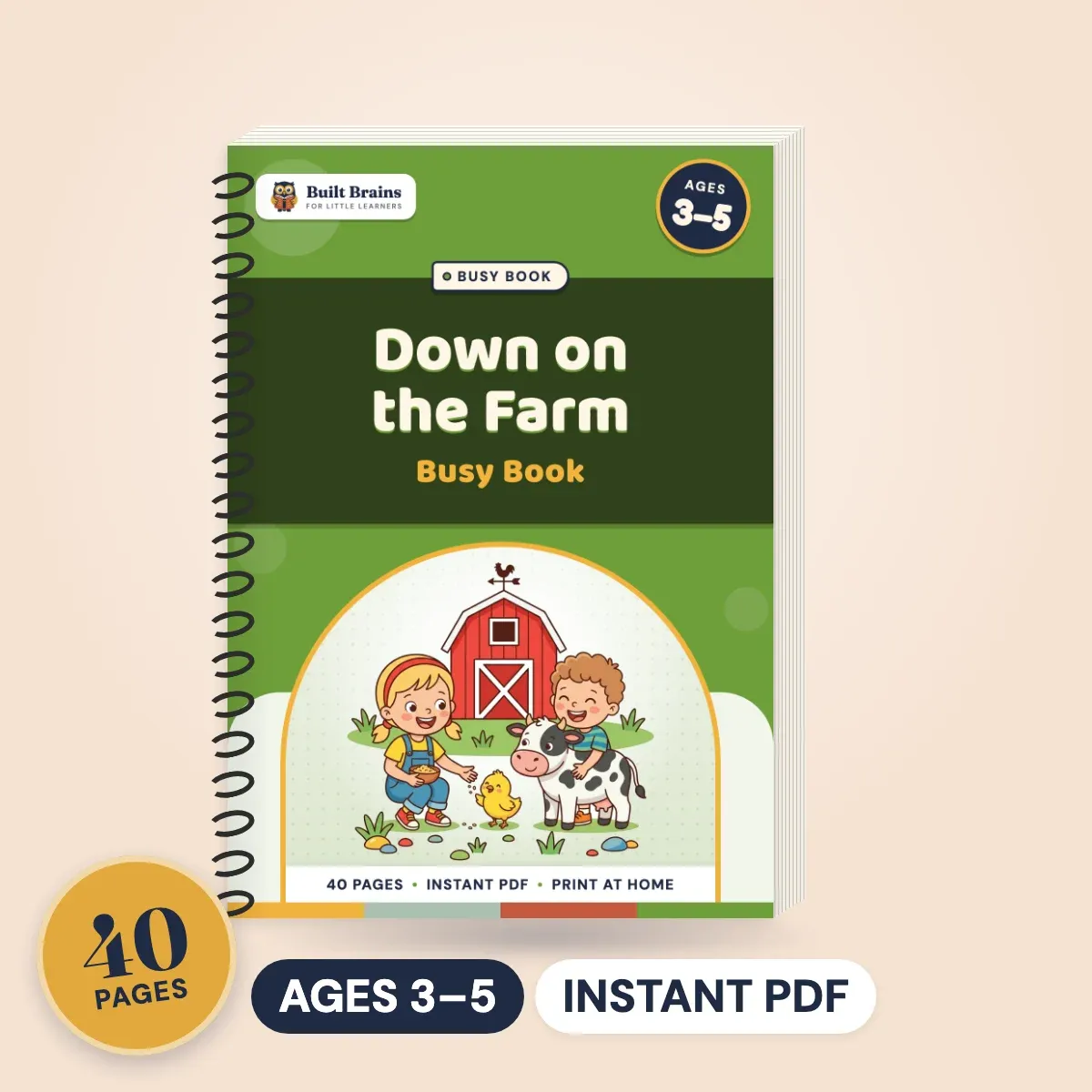
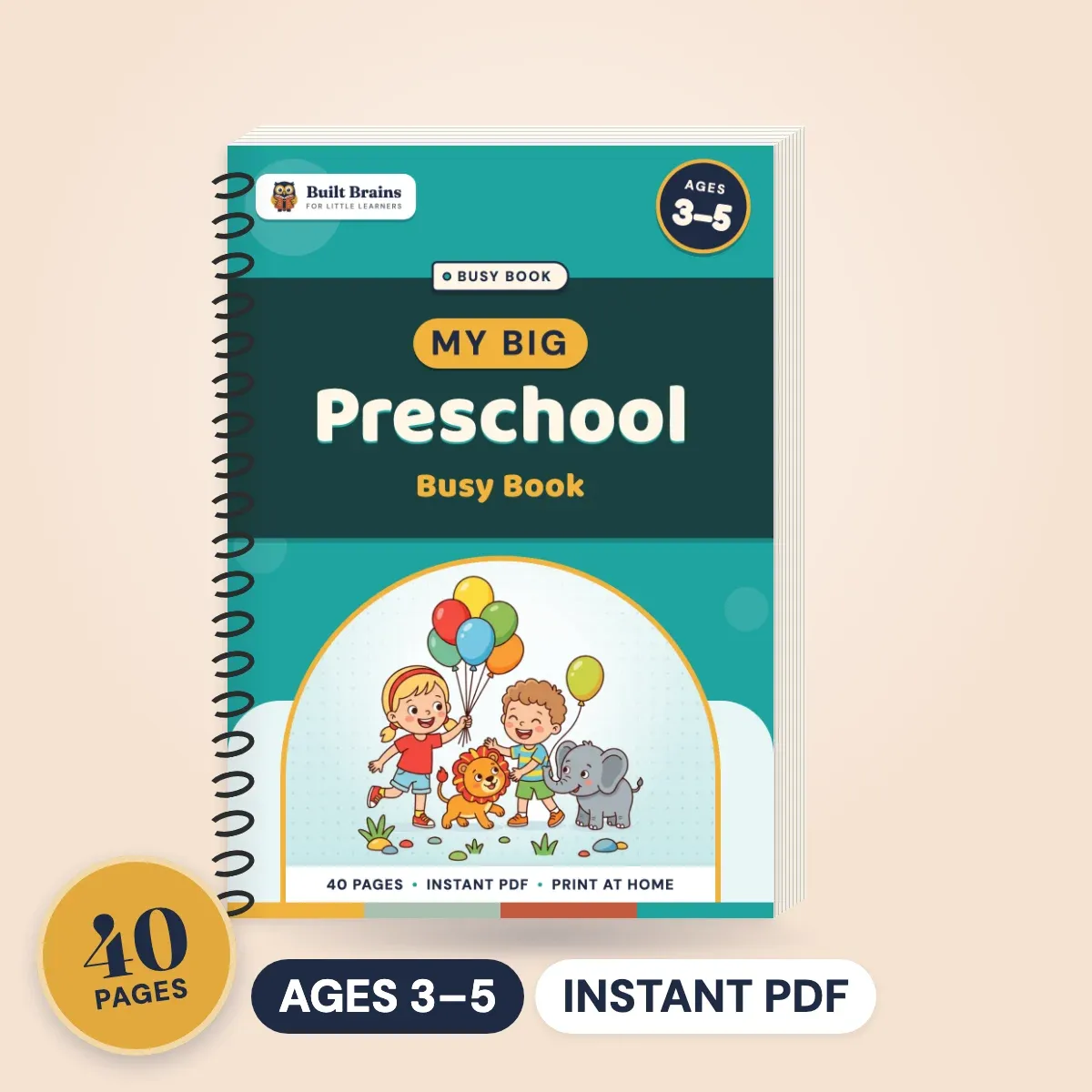
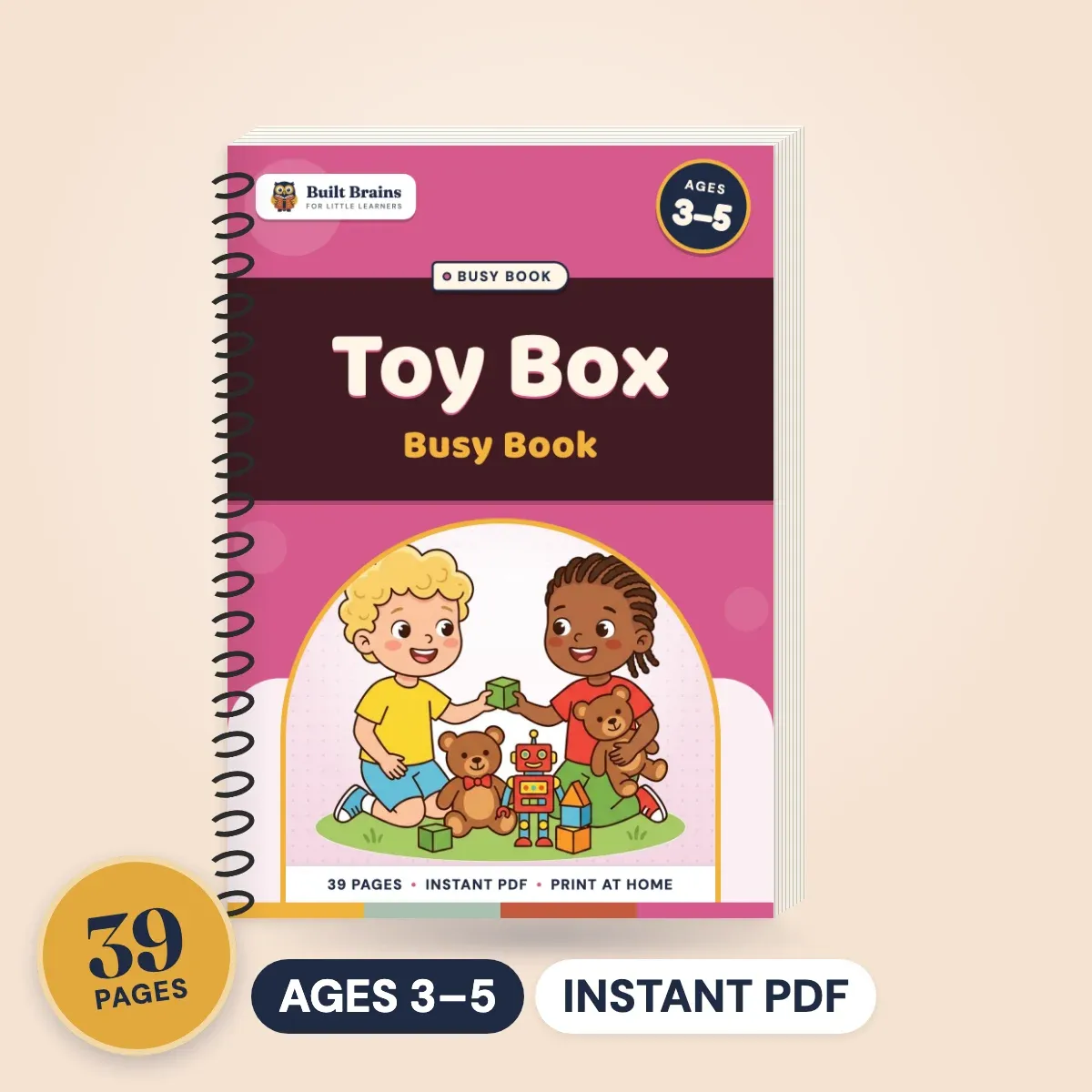
- Busy book pages. A single coloring, tracing or matching page at a time. The Toy Box Busy Book (teddies, robots, blocks and rubber ducks) and Down on the Farm Busy Book suit children around 3 who like to color, count and match.
- Board book basket. Five books in a low basket, swapped weekly.
- Ball run or cars down a ramp. A cushion or a board propped on the sofa.
- Sorting by color. Pom-poms or toy cars into colored bowls.
Rainy day and indoor energy activities
- Couch cushion obstacle course. Crawl over, climb under, jump off the bottom cushion.
- Tape roads. Masking tape roads on the floor for toy cars.
- Balloon keep-up. Keep a balloon off the floor. (Pop and discard broken balloons immediately, as balloon pieces are a choking risk.)
- Movement cards. Pull a card and do it: hop, stomp, balance. The Movement Challenge Cards include 36 cards like hop like a frog and stomp like an elephant, great for rainy days and energy bursts.
- Laundry basket train. Push teddies around the house.
- Fort building. Blankets over chairs, with a flashlight inside.
- Bath play in the daytime. Warm bath, cups and bubbles at 3pm resets many grumpy afternoons. Always stay within arm's reach.

Car, travel, restaurants and waiting rooms
In the car
- Audiobooks and songs. Screen-free and hands-free.
- "I spy" colors. "I see something red!" Toddlers point, and you name it.
- Soft car basket. A board book, a small soft toy and a cloth puppet within reach of the car seat.
- Window stickers. Reusable gel stickers on the window next to their seat.
At restaurants and waiting rooms
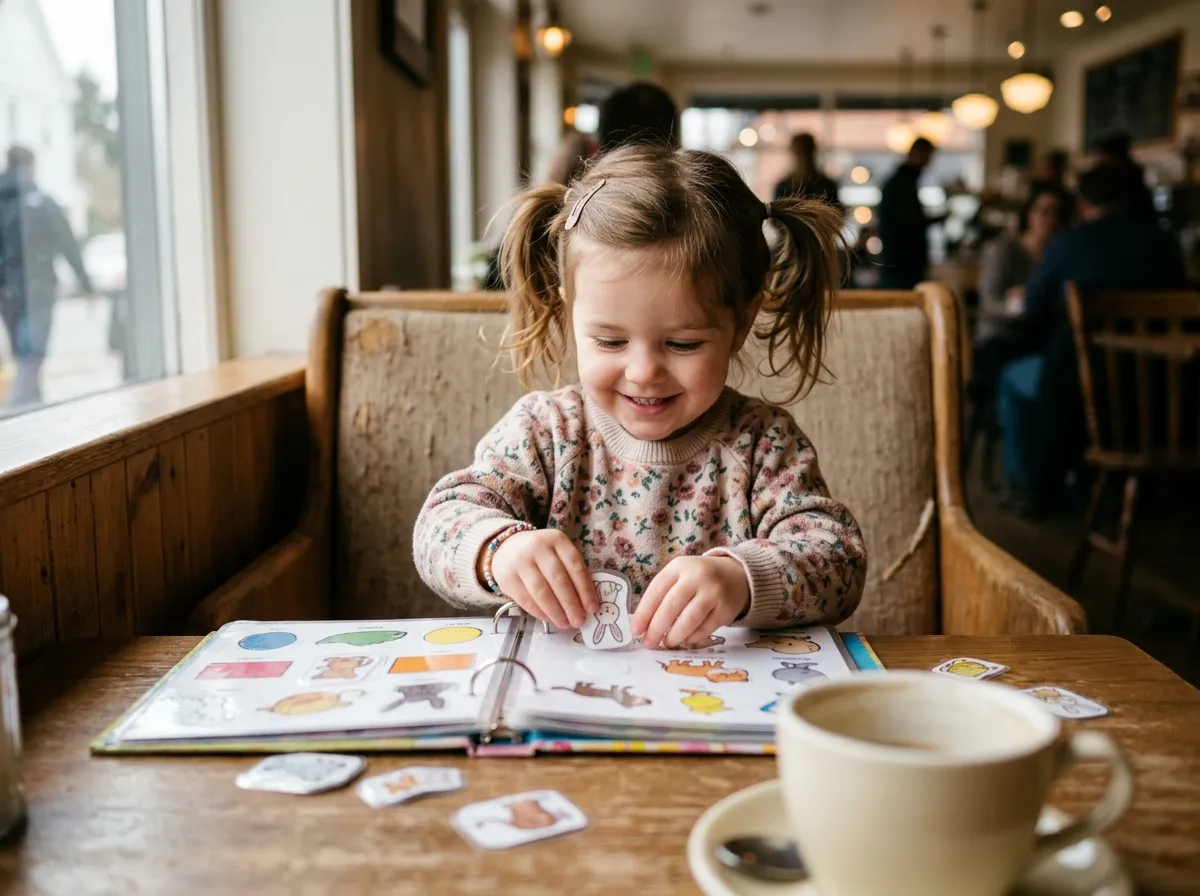
- Pocket crayons and a coloring page. Two crayons and a folded coloring or busy book page in your bag.
- Sticker book. A small reusable sticker pad.
- Sugar packet sorting. Sort by color into piles on the table.
- Finger puppets. Two puppets in your pocket can hold a conversation for a surprisingly long time.
- "Where is it?" game. Hide a small toy in one hand. Your child guesses which.
- A short walk. Five minutes outside or around the waiting room is often the best reset.
Order early, ask for food to come with drinks when you can, and plan to leave before your toddler has had enough.
Calm-down time and playing with siblings
Calm-down activities
- Glitter or sensory bottle. Seal water, a little clear glue and glitter in a bottle with tape on the lid. Shake and watch it settle.
- Blow bubbles or "blow out the candles." Slow breathing without a lecture.
- Audiobook in a cozy corner. Cushions, a blanket and a familiar story.
- Coloring together. Side by side, quietly. See more in our quiet time activities for preschoolers.
With siblings
- Big kid leads, little kid copies. Follow the leader, Simon says, animal walks.
- Shop or café. The older child runs the shop; the toddler "buys" with play money.
- Building together. Big sibling builds towers, toddler knocks them down. Both are happy.
- Story show. The older child "reads" a book to the toddler by telling the pictures.
- Joint art on one big sheet. Tape a long roll of paper to the floor and give each child their own end.
How to set up screen-free play at home
Activity baskets
Make four to six baskets, each with one kind of play: kitchen, building, art, books, pretend, quiet. Keep them on a low shelf or in a cupboard you control. When you need 10 minutes, offer two baskets and let your toddler choose.
Toy rotation
Put most toys away and keep about 8 to 12 out at a time. Swap a few each week. Old toys feel new again, and toddlers play longer with fewer choices.
A yes-space
A "yes-space" is one area, like a gated corner of the living room or a childproofed playroom, where everything within reach is safe to touch. Toddlers play more independently when they are not hearing "no" every minute, and you can step away to the kitchen with more peace of mind.
How to move away from screens (without a battle)
If screens have become the default, change the routine rather than just removing the device.
- Find the screen moments. Note when your child usually watches: during breakfast, while you cook, in the car. That is your list to replace.
- Replace one moment at a time. Start with the easiest. For many families that is the car, where audiobooks slide in naturally.
- Make devices less visible. Out of sight, out of routine. Charge tablets and phones in another room.
- Offer a specific alternative. "No tablet at breakfast. You can choose the farm book or the sticker sheet."
- Expect a few days of protest. Stay calm and repeat the same short sentence. Most toddlers adjust within a week or two.
- Keep your own phone use low around them during the replaced moments. Toddlers copy what they see.
This is not about perfection. A family film on a Friday or a video call with grandparents fits easily in a screen-light week.
How long can toddlers play on their own? Realistic expectations
Children vary widely, and attention changes with sleep, hunger and mood. These are rough, typical ranges when an activity is set up and a parent is nearby, not targets to hit.
| Age | Typical independent play | What helps |
|---|---|---|
| 12–18 months | A few minutes at a time | Stay in sight, simple posting and filling toys |
| 18–24 months | About 5 to 10 minutes | One activity at a time, sit with them to start |
| 2 years | About 5 to 15 minutes | Baskets, water play, play-dough |
| 3 years | About 15 to 30 minutes | Pretend play, busy books, building sets |
| 4 years | 30 minutes or more with a favorite activity | Projects, mazes, quiet time routines |
If your child rarely plays alone for even a couple of minutes, start with two minutes and stretch it slowly. If you have wider concerns about attention, play or development, your pediatrician or health visitor is a good first stop.
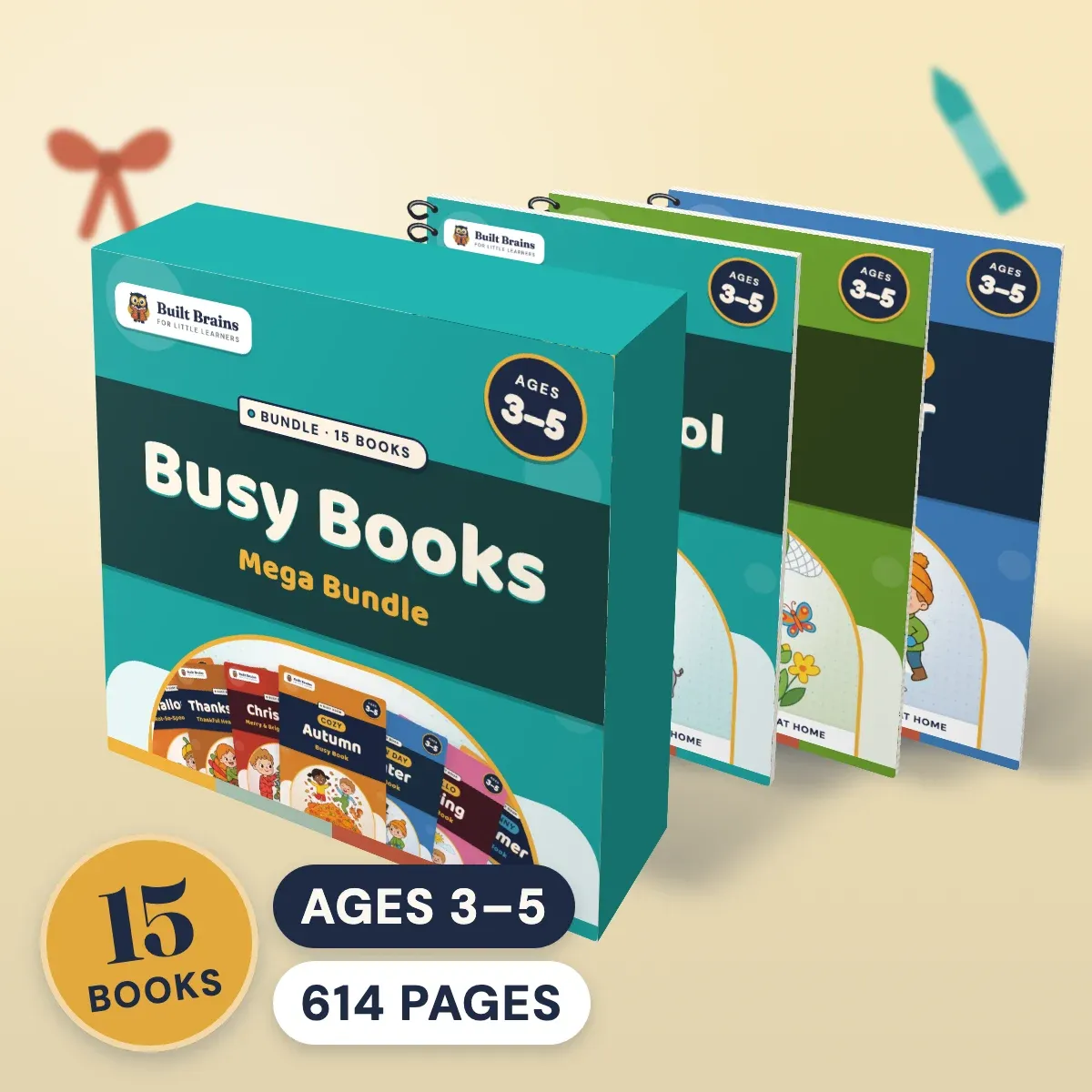
To try pages that work for quiet play, download our free printable book, or browse all the busy books. Your toddler will not play alone for an hour, and that is fine. Ten calm minutes while you cook is still ten minutes without a screen.
Questions parents ask
Offer simple, open-ended things: a basin of water with cups, play-dough, blocks, stickers, board books, a posting box, a pretend kitchen or a walk outside. Keep a few baskets ready so you can hand one over in seconds. Toddlers usually reach for screens less when interesting, easy options are within reach.
Children vary a lot. Many 2 year olds manage about 5 to 15 minutes of play on their own, especially if you stay nearby, and some manage longer with a favorite activity. Start with a few minutes, stay in sight, and stretch it slowly. Tired, hungry or unwell toddlers will need you closer.
Three year olds enjoy play-dough with tools, simple busy book pages, magnetic tiles, dress-up, pretend shops, sticker scenes, sorting games, threading large beads and audiobooks. They can often play alone for 15 to 30 minutes if the activity is set up and their interest is caught first.
Make the tablet less visible and less automatic. Put devices away out of sight, drop the moments your child has come to expect them, like meals or the car, and replace each with a specific alternative. Expect a few days of protest, stay calm and consistent, and the asking usually fades within a week or two.
Audio without a screen is generally treated differently from video. Music, songs and audiobooks leave your child's hands and eyes free to play, draw or build, and support listening and language. Many parents use them for quiet time and car trips. Choose simple, calm content for toddlers and keep volume moderate.